

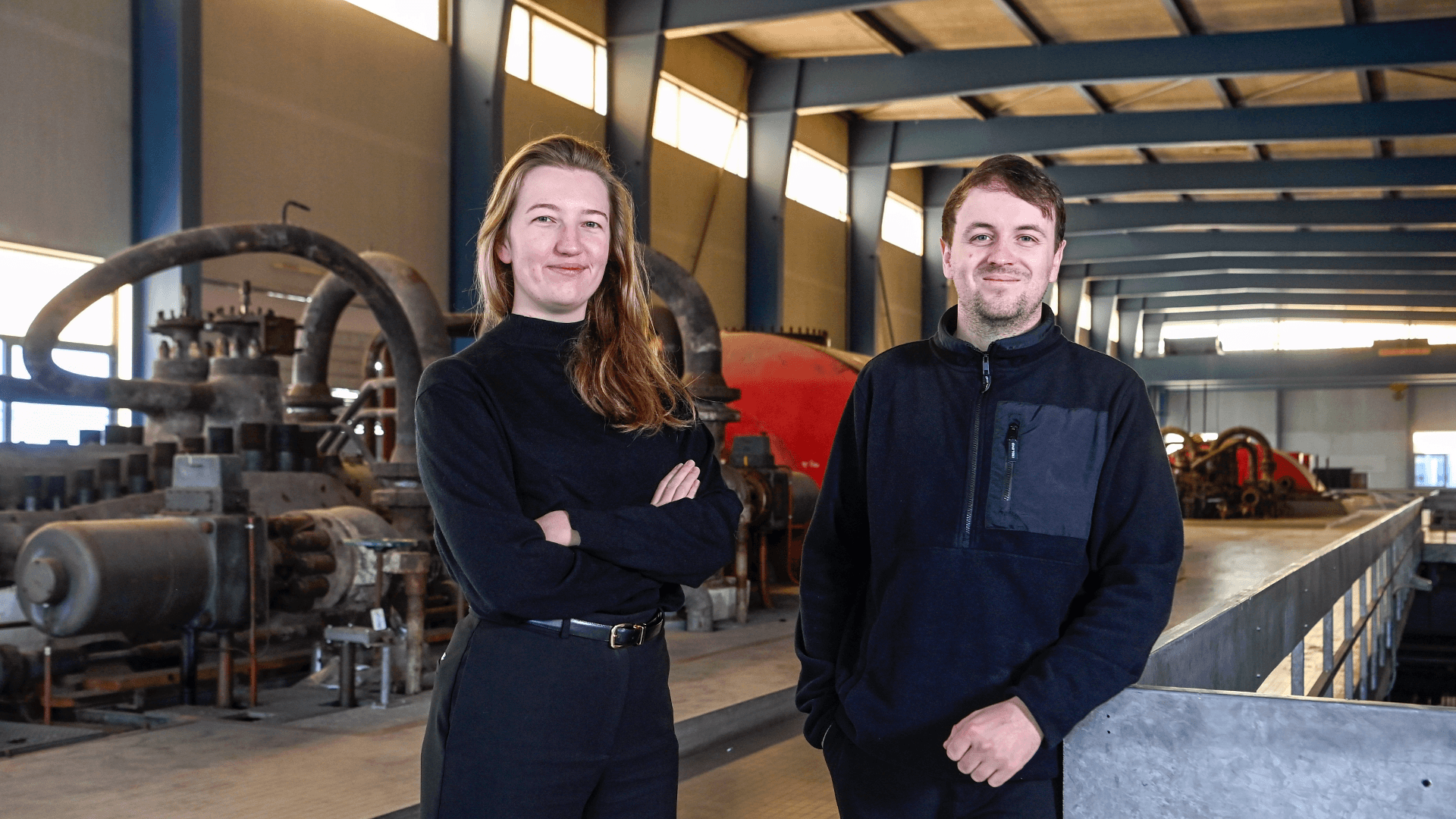
PAVE Space, a Swiss space infrastructure company, has raised $40 million in seed funding to develop a new generation of spacecraft designed to move satellites rapidly between orbits. The round was led by Visionaries Club and Creandum, with participation from Lombard Odier Investment Managers, Atlantic Labs, Sistafund, b2venture, ACE Investment Partners, Ilavaska Vuillermoz Capital, and Pareto & Motier Ventures.
The company is building a family of orbital transfer vehicles (OTVs) capable of transporting satellites from low Earth orbit to higher-energy destinations such as geostationary and lunar orbits in under 24 hours, addressing a growing bottleneck in the space economy. Today, satellites typically rely on onboard propulsion systems that can take months to reach their final orbit, delaying operations and increasing costs.
PAVE’s flagship kickstage vehicle is designed to shorten mission timelines and reduce costs using storable bipropellants, while a smaller mobile platform is being developed for rapid, flexible satellite repositioning.
As the number of satellites in orbit continues to grow, demand for faster and more flexible orbital mobility is increasing across both commercial and institutional markets. PAVE aims to provide a launcher-agnostic logistics layer compatible with multiple launch systems, supporting satellite operators, telecom providers and defence organisations.
Julie Böhning, CEO and co-founder of PAVE Space, said that the space economy is moving into an industrial phase where logistics in orbit will become as essential as they are on Earth:
Our ambition is to build the infrastructure that enables industries to move, operate and scale beyond Earth, while supporting Europe’s strategic autonomy in space.
The company is preparing its first in-space demonstration mission and has already secured early reservation agreements with satellite operators.
The funding will be used to accelerate development of its orbital logistics platforms, conduct initial demonstration missions, expand its engineering team and prepare for its first commercial deployments.


Would you like to write the first comment?
Login to post comments