European tech activity in March 2026 eased slightly compared to February, while overall market conditions remained stable.
The ecosystem recorded 292 funding deals and €7.5 billion raised, down marginally from 296 deals and €7.8 billion in February, reflecting declines of 1.4 per cent and 3.8 per cent respectively.
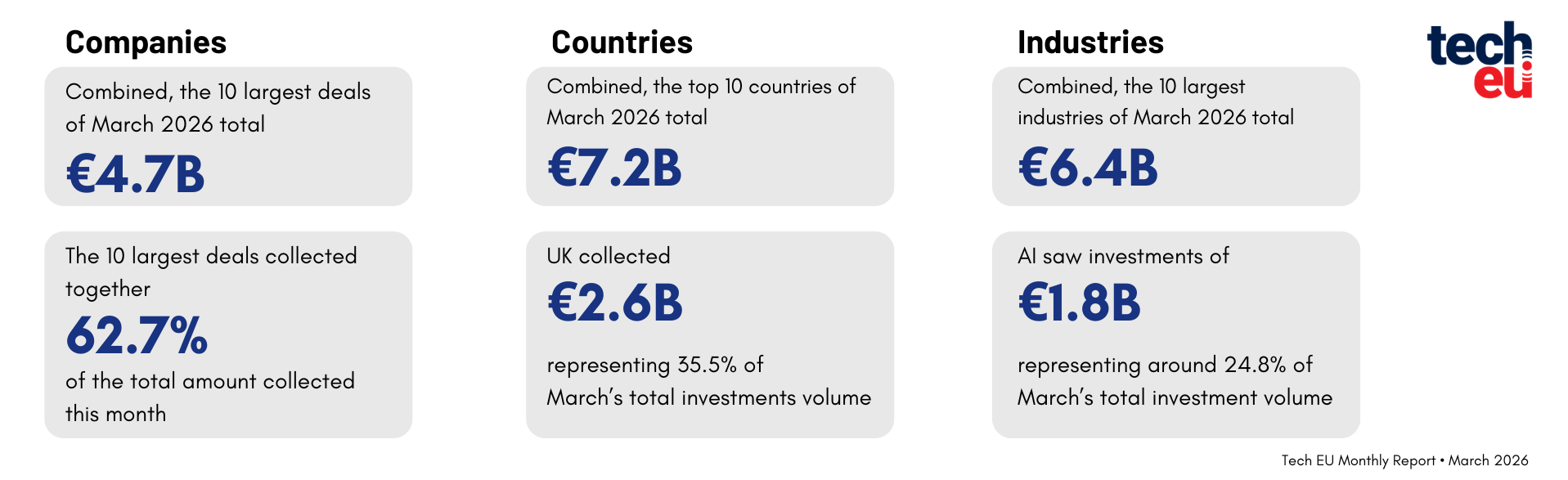
At the country level, a more significant shift was observed. UK funding fell to €2.6 billion from €3.8 billion in February, a 31.6 per cent decrease, indicating lower capital concentration month-on-month.
Sector trends also evolved, with AI leading in March at €1.8 billion, compared to transportation in February at €1.5 billion, signalling a rotation of capital toward artificial intelligence and related technologies.
Tech.eu’s Cate Lawrence commented on the March numbers within the European tech investment landscape in our March Tech.eu Pulse, a compact version of the monthly report:
European tech in March 2026 looked less like a market pulling back and more like one settling into a new rhythm. AI (albeit ubiquitous across sectors) attracted €1.8 billion and is overtaking other sectors as the primary destination for capital. At the same time, large rounds continue to account for a disproportionate share of total funding, pointing to sustained conviction in companies building core infrastructure, from compute to platforms that underpin entire industries.
There are also some notable geographic shifts. The UK remains the dominant market despite a sharp drop in funding, while France, Sweden, Germany, and the Netherlands continue to form the backbone of European dealmaking.
Beyond these, a broader mix of countries is starting to appear more consistently, suggesting the ecosystem is widening rather than further concentrating.
For her more detailed review and more in-depth analyses of the European tech ecosystem, including industry and country performance, exit activities, and more, check out our March report.
Here are the 10 largest tech deals in Europe from March, accounting for 62.7 per cent of the month’s total funding.
Nscale (UK)
Amount raised: $2B
Nscale is a London-based AI infrastructure company that builds and operates vertically integrated GPU cloud platforms, combining data centres, high-performance computing, and software to enable large-scale AI model development, training, and deployment.
It provides enterprises and governments with scalable, energy-efficient compute capacity and end-to-end tools designed to support the growing demands of advanced AI systems.
In March, Nscale raised $2 billion in a Series C funding round, valuing the company at $14.6 billion.

Advanced Machine Intelligence (France)
Amount raised: $1B
AMI (Advanced Machine Intelligence) is a frontier AI research lab developing a new class of systems that understand and interact with the real world.
It focuses on building “world models”, AI that can reason, plan, and operate safely across complex physical environments, with applications in areas such as robotics, healthcare, and industrial systems.
Founded by a global team of leading researchers and engineers, the company aims to advance reliable, controllable AI and enable real-world intelligence beyond traditional language-based models.
AMI raised more than $1 billion in what it describes as Europe’s largest-ever seed funding round.
Mistral AI (France)
Amount raised: $830M
Mistral AI is a Paris-based AI company founded in 2023 that develops high-performance, open-weight large language models and enterprise AI systems, enabling organisations to build, customise, and deploy advanced generative AI and autonomous agents.
The company focuses on combining strong model performance with openness and efficiency, offering scalable AI solutions for both developers and large enterprises.
Mistral secured $830 million in debt financing to acquire Nvidia chips for its initial data centre.

Legora (Sweden)
Amount raised: $550M
Legora is a Sweden-based legal AI company developing a collaborative workspace that helps lawyers automate tasks such as document review, research, and drafting, integrating both public and proprietary data to streamline legal workflows and improve productivity.
The platform is designed to support legal professionals across law firms and in-house teams, enhancing efficiency while maintaining accuracy and control over complex legal processes.
Legora raised $550 million in Series D at a $5.55 billion valuation to accelerate US expansion.
Kandou (Switzerland)
Amount raised: $225M
Kandou is a fabless semiconductor company that develops high-speed, energy-efficient chip-to-chip connectivity solutions used in advanced computing and data infrastructure.
Its technology focuses on enabling scalable, cost-efficient AI and data centre systems by improving how processors, memory, and networks communicate, helping reduce power consumption while increasing performance.
Kandou AI closed a $225 million Series A round to break memory bottlenecks in AI.
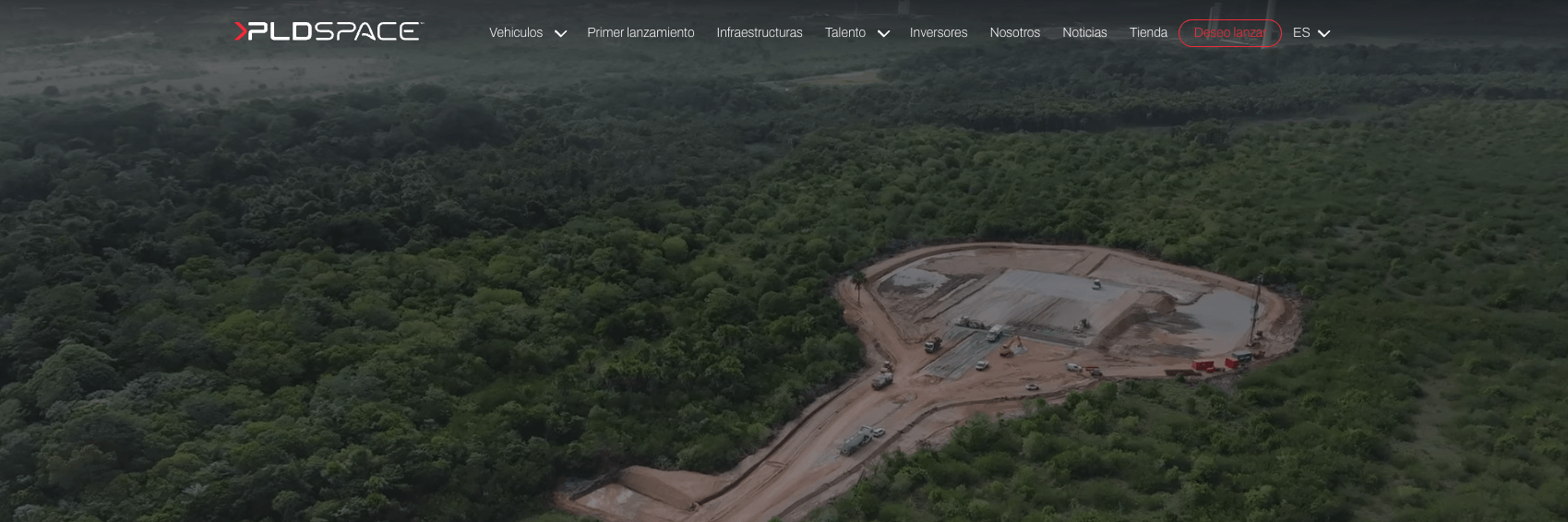
PLD Space (Spain)
Amount raised: €180M
PLD Space is an aerospace company that designs, manufactures, and operates reusable rockets to provide reliable and cost-effective launch services for small satellites.
Founded in 2011, the company develops its MIURA family of launch vehicles to enable flexible access to space, positioning itself as a key player in Europe’s emerging commercial space sector.
PLD Space raised €180 million in Series C equity funding to scale satellite launch infrastructure.
9fin (UK)
Amount raised: $170M
9fin is a fintech company that provides an AI-powered data and analytics platform for debt capital markets, combining real-time news, financial data, and predictive insights to help credit professionals analyse deals and make faster, more informed decisions.
The platform is used by investment banks, asset managers, and law firms to streamline workflows and improve transparency across leveraged finance and credit markets.
9fin raised $170 million, reaching a $1.3 billion valuation.

Wonderful (Netherlands)
Amount raised: $150M
Wonderful is an enterprise AI agent platform that enables organisations to build, deploy, and manage AI agents across customer-facing and internal workflows, helping integrate AI directly into core business operations.
The platform provides a unified infrastructure for creating, monitoring, and optimising agents at scale, supporting complex, multilingual, and compliance-driven environments across global markets.
Wonderful received a $150 million in a Series B funding round, reaching a valuation of $2 billion.

RIFT (Netherlands)
Amount raised: €113.8M
Iron Fuel Technology (developed by RIFT) is a cleantech energy solution that uses iron powder as a circular, carbon-free fuel to generate high-temperature heat for industrial processes and district heating.
The system works like a rechargeable energy carrier: iron powder is burned to produce heat without CO₂ emissions, leaving iron oxide that is then regenerated using hydrogen and reused, enabling a closed-loop, scalable alternative to fossil fuels.
RIFT has secured €113.8 million in combined financing (Series B and EU grant) to advance its Iron Fuel Technology from pilot projects to commercial deployment and to develop its first commercial production facility.
Upvest (Germany)
Amount raised: $125M
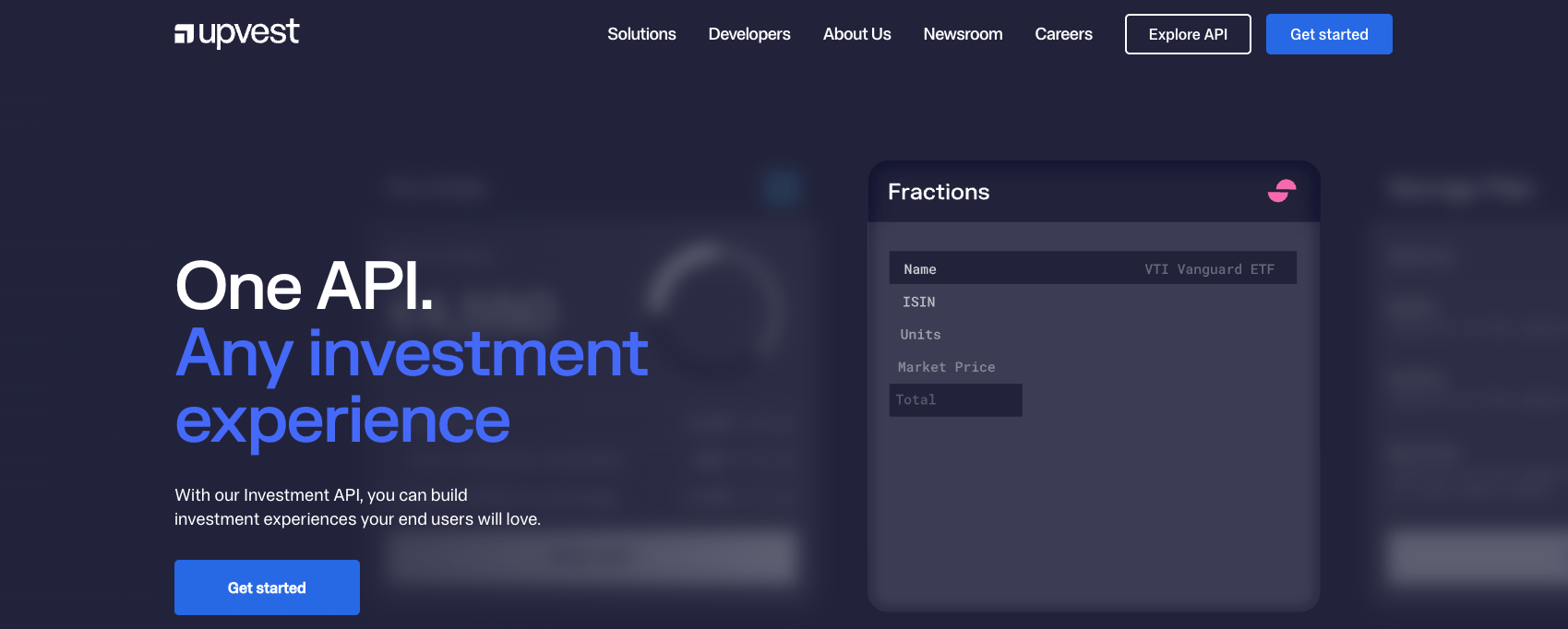
Upvest is a fintech infrastructure company that provides banks, brokers, and fintechs with a unified, API-based platform to build and scale investment products, including trading, custody, and back-office services.
Its technology enables businesses to offer seamless, cross-border investment experiences, such as stock and ETF trading, savings plans, and fractional investing, while handling the underlying regulatory and operational complexity.
Upvest secured a $125 million financing round to support the modernisation of legacy banking systems across Europe and the UK.


Would you like to write the first comment?
Login to post comments