

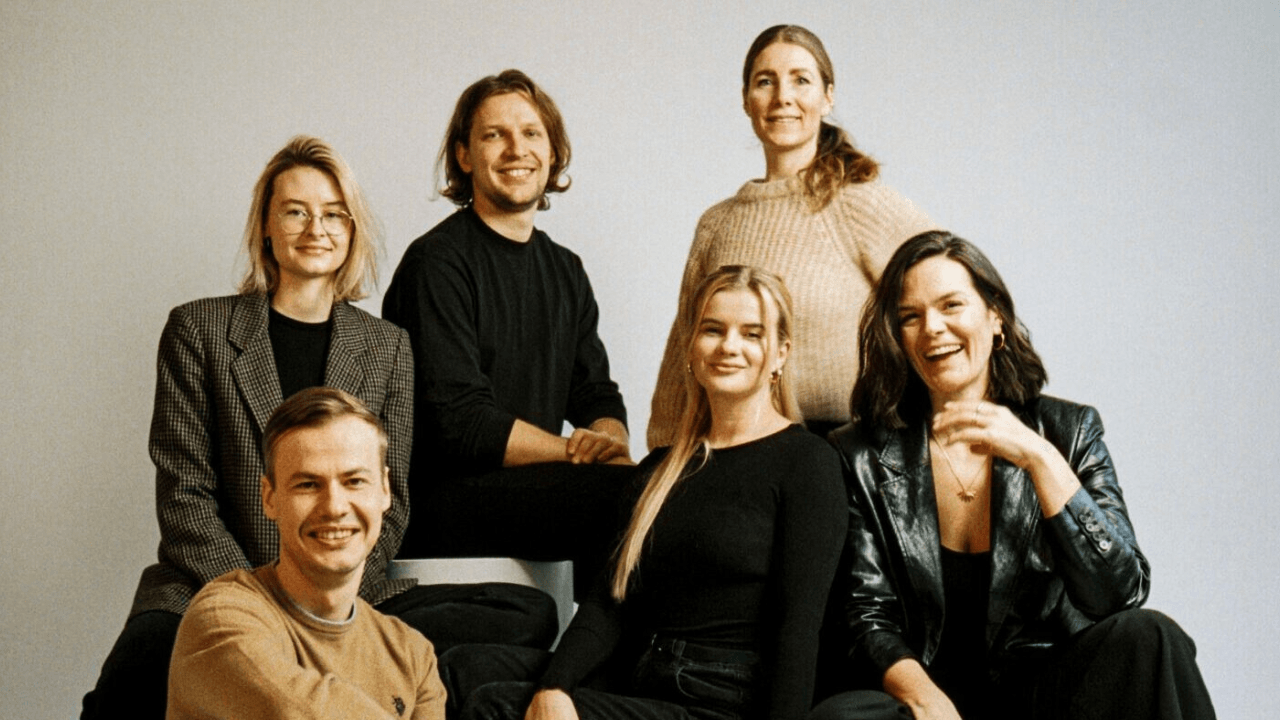
Carina Vantsi, CMO and co-founder of women’s health startup Suun, has a message for the healthcare sector: Stop normalising suffering during pregnancy, while giving birth, and after birth.
"When a baby is born, people often say, 'Everyone is doing well.' But the reality is that many women are recovering from an enormous physical and emotional experience. Birth is not the end of the journey."
Her comments reflect a growing recognition that maternal care should extend far beyond delivery.
Through a combination of digital and in-person support, Estonian-German startup Suun Health is working to address those gaps and has already supported more than 50,000 families.
I spoke to Carina Vantsi to find out more.
Why reducing maternal mortality isn't enough
Across Europe, maternal mortality has fallen by around 80 per cent from the 1950s to the early 2000s, and by a further ~50 per cent from the early 2000s to 2023. But this success story is incomplete. Pregnancy, birth, and the first year after birth remain some of the most neglected, painful, and least supported periods in a woman’s and a family’s life.
This is not an accident; it is by design. While modern maternity systems have made significant progress in reducing mortality, they often remain focused on survival rather than wellbeing, leaving many women without the support they need during pregnancy, childbirth, and the postpartum period.
Women (and people who give birth) are often told that the pain and difficulties of childbirth will be forgotten once they meet their baby.
But research suggests that up to one in five women may experience a traumatic birth, while awareness is also increasing around obstetric violence — the inhumane, disrespectful, or negligent treatment of women during pregnancy, childbirth, or the postpartum period. These experiences can leave lasting physical and psychological scars, highlighting the need for a more holistic approach to maternal healthcare.
"The postpartum period requires support, attention, and care," says Carina.
"There is so much more we can do to help women during that stage of life, and I think it's time we started treating that support as essential rather than optional."
The missed diagnosis that helped spark a startup
Suun Health was founded in 2022 by paediatric nurse Anna Strubel alongside entrepreneurs Carina and Keiro Vantsi.
The company provides digital and in-person support for women throughout pregnancy and postpartum.
Through her work, Stubel saw first-hand the realities of pregnancy, birth, and postpartum care, as well as the gaps in support available to women and families.
Carina explained:
“The inspiration for the company came from very honest conversations Anna and I had when we first met. We talked about the differences in maternal and postpartum care across countries, as well as our own experiences.
During my first pregnancy, I had undiagnosed gestational diabetes. Looking back, there were warning signs.
I was suddenly drinking a huge amount of water and raised concerns with doctors, but it wasn't taken seriously. As a result, my baby was born early, was very large, and we spent a week in intensive care because of complications linked to the unmanaged diabetes.
During her second pregnancy, she insisted on being tested early. It turned out she had gestational diabetes again, but this time it was managed properly with insulin. The outcome was completely different, and the baby was born healthy.
That experience made her realise how important it is for women to have information and confidence to advocate for themselves. “If I'd known what I know now, many of those complications could potentially have been avoided.” At the same time, the founders were discussing postpartum care. In Germany and the Netherlands, women often receive extensive support after birth, including home visits.
“In Estonia, there was very little available. We started talking to healthcare professionals — more than 50 of them — and they agreed there was a lot that could be improved. That's when we decided to build something ourselves."
Starting with home visits, not an app. Unlike many startups focused on women's health, Suun Health didn't start with an app but with postpartum home visits.
It later expanded into personalised education, health tracking, movement programmes, and in-person care, including pregnancy fitness, yoga, Pilates, strength training, and postpartum recovery sessions delivered both online and through physical studios in Berlin and Tallinn and later, an app.
By bringing these services together, Suun aims to provide continuous support between medical appointments, helping women better navigate the physical and emotional changes associated with pregnancy, birth, and recovery.
“Some services existed within hospitals, but we felt they didn't necessarily belong there. Pregnancy and postpartum support should also be nurturing and preventative.
We were inspired by models we'd seen in places like Berlin, where support often exists outside the hospital environment. It wasn't just about delivering a service; it was about creating an experience that prioritised wellbeing.”
Pregnancy symptoms shouldn't simply be endured
But as its community grew, women kept asking which digital tools and apps they should use.
“We looked at what was available and felt that most products were very transactional. They would tell you that your baby was the size of an apple or list common symptoms, but they weren't really supporting the woman as a whole person,” explained Carlina.
"We wanted a more holistic approach that focused not just on getting through pregnancy, but on helping women feel well throughout it."
According to Carina, many pregnancy symptoms are incredibly common. Around 94 per cent of women experience fatigue, around 60 per cent struggle with sleep, and the vast majority deal with issues such as nausea, digestive problems, pelvic pain, or back pain. The problem is that these symptoms are often treated as something women should simply endure.
“Our view is different. If a woman tells us she's experiencing pelvic pain, nausea, or swelling, we personalise the information and support she receives. We provide evidence-based content, practical recommendations, and where relevant, connect her to services or specialists who can help.
The goal is to move away from a mindset of simply surviving pregnancy and toward actively supporting women's health and wellbeing.”
Further, rather than overwhelming women with information, it focuses on delivering personalised content that's relevant to their specific situation.
Questioning long-held assumptions about birth
Historically, maternity care has focused on survival because maternal mortality used to be much higher. But today, outcomes have improved dramatically, yet many systems still operate with that same mindset.
According to Carina, a good example is childbirth itself. Most women still give birth lying on their backs, despite evidence that alternative positions can often be better for both comfort and outcomes. The reason is largely that it's more convenient for healthcare providers.
“Women need better information so they can make informed decisions and advocate for themselves. There are many ways to reduce discomfort, manage symptoms, and improve the overall experience, but too often women aren't told about them.”
That emphasis on trust and medical accuracy also shaped Suun Health's approach to AI.
Combining technology with clinical expertise
Before Suun Health built its technology, it already had established a strong network of healthcare professionals, including midwives, gynaecologists, and other women's health specialists. “
They help us create and review our content. If you look at our educational materials, you'll see they are reviewed by qualified medical professionals,” explained Carina.
“That's incredibly important because trust and accuracy are fundamental in healthcare.”
Building an AI assistant women can trust
Carina attributes Suun Health’s success to its in-person community-building approach.
In Estonia, around 20 per cent of pregnant women joined within the first 24 hours after launch, with similarly strong interest when Suun Health expanded into Germany. Before launching an app, the company had already spent years supporting women through its services.
"That meant we had trust and engagement from day one."
Suun Health launched an AI assistant late last year, and adoption has grown rapidly. It's built on medically reviewed information and designed to provide support women can trust.
According to Carina, one of the biggest challenges with general-purpose AI tools is that users need to know the right questions to ask.
“During pregnancy, that's not always possible because many women don't know what is normal, what is concerning, or what support options exist.
I think the reason is that our mission resonates deeply. Women want better support, and healthcare professionals also recognise that change is needed. That shared sense of purpose has helped us attract both users and specialists."
Right now, the team’s biggest focus is the AI component.
“We're constantly improving it because we can see the value it provides. We want it to become increasingly proactive and personalised. If a woman reports a particular issue, we don't just want to provide information.
We want to follow up, understand whether things have improved, and continue supporting her over time. Ultimately, we're trying to create an ongoing conversation rather than a one-off interaction."
Scaling a community-led healthcare platform
Most women start using Suun Health services very early in pregnancy, often within the first month. Today, it supports women throughout pregnancy and during the first year postpartum, which means many women stay as users for close to two years.
Long term, the team sees an opportunity to support women across multiple life stages, but our current focus remains pregnancy and postpartum care.
Suun Health has been testing the UK market, particularly in and around London, since last autumn, and the response has been encouraging. Its expansion strategy has generally involved creating a flagship physical space alongside the technology.
Carina asserts:
“We started in Tallinn, then opened in Berlin, and we'd like to bring the same model to London.
The physical locations help us build trust and community. They remind people that there are real healthcare professionals behind the technology.”


Would you like to write the first comment?
Login to post comments