
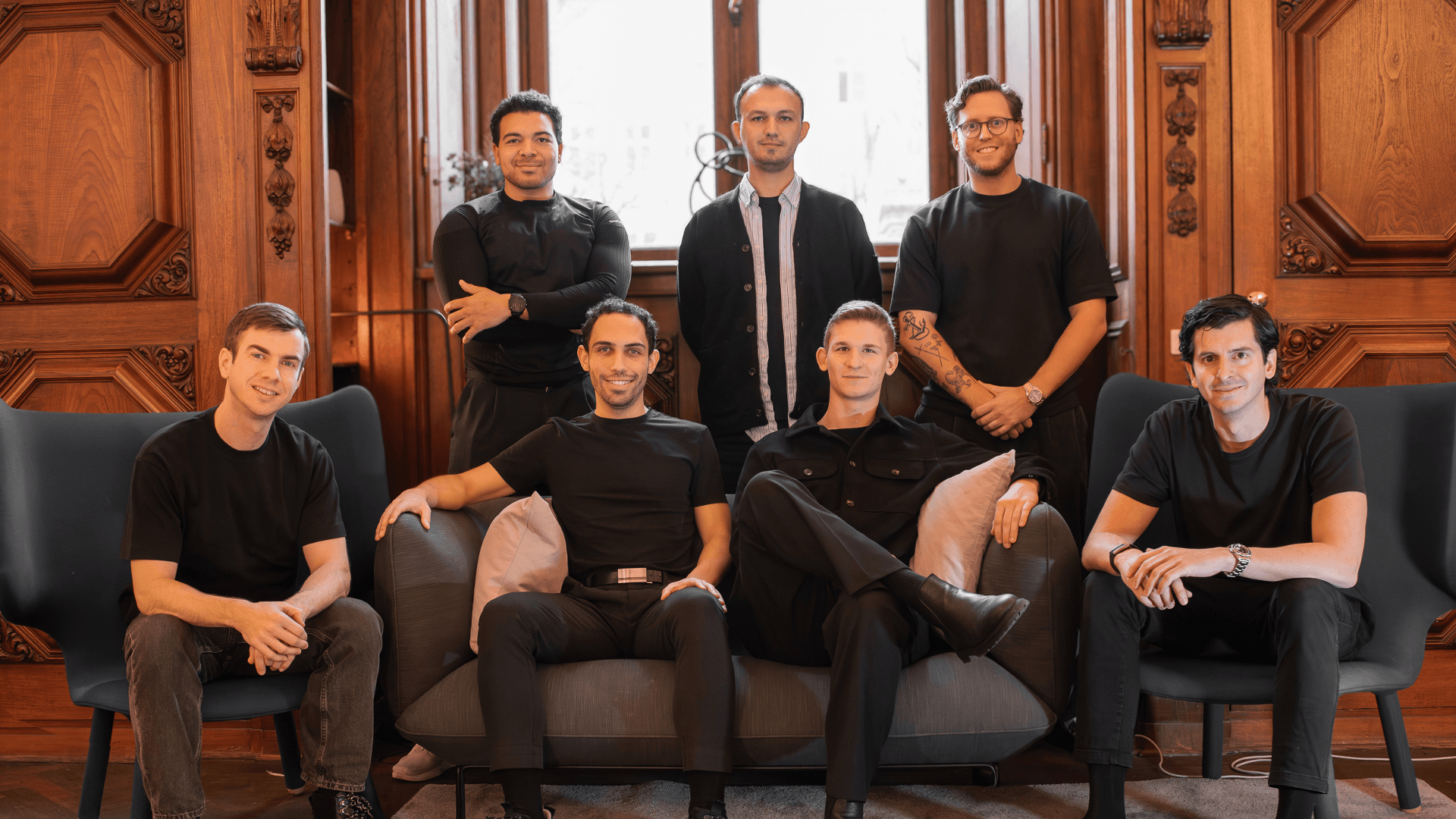
Copenhagen-based AI SaaS company Kime has raised €2 million in a pre-seed funding round led by PSV Tech, with participation from Nordic Makers and a group of angel investors based in Copenhagen and Stockholm.
As user behaviour shifts away from traditional search engines toward AI assistants that provide a limited number of direct answers, brand visibility is increasingly shaped by how large language models select and prioritise information. Recent research from McKinsey indicates that AI-based search is becoming an important entry point to online decision-making and is expected to influence a substantial share of consumer spending.
Despite this change, many companies have limited insight into whether their brands are mentioned at all when users ask AI assistants for recommendations, comparisons, or purchasing advice.
Kime aims to address this gap by tracking how brands are represented across major AI platforms, including which brands are cited, their relative positioning, associated sentiment, and the sources used to generate responses. The company refers to this emerging discipline as generative engine optimisation (GEO), reflecting a shift from ranking in traditional search results toward visibility within AI-generated answers.
According to founder and CEO Vasilij Brandt, marketers are increasingly focused on understanding how their brands appear in AI assistants, and Kime’s objective is to make that visibility measurable and actionable.
Since launching, the company has seen early commercial traction. In November, Kime conducted more than 60 product demonstrations, primarily with senior marketing leaders and executive teams. It has also expanded its product to include an agency-focused module that enables agencies to analyse AI visibility across their client portfolios. The platform is currently used by brands across multiple industries and is also deployed through agency partnerships.
In its current phase, Kime is focused on analytics, offering dashboards that show brand visibility across prompts and AI platforms, competitor benchmarking, sentiment, share of voice, and the domains and publications informing AI responses.
Looking ahead, the company plans to develop the platform into a broader layer for AI marketing, giving teams a centralised way to manage and optimise their presence across multiple AI assistants as the LLM landscape continues to fragment.


Would you like to write the first comment?
Login to post comments