
If you’re interested in agritech or foodtech, Daniel Skavén Ruben is someone worth speaking to. His career has taken him from government and food policy to startups, more than 50 angel investments, and now Business Sweden — giving him an unusually broad view of an industry that stretches far beyond the products consumers see on supermarket shelves.
Agrifood encompasses everything from crop and animal production to aquaculture, food manufacturing, ingredients, and hospitality.
And, as Skavén Ruben points out, some of its most interesting innovations are largely invisible.
From food policy to foodtech investing
Skavén Ruben started his career working for the Danish Ministry of Foreign Affairs and its Trade Council, mainly in New York – “I’m Swedish, though, so I sold out to the Danes,” he joked.
After five years, he received a scholarship from Sweden to study international relations at Georgetown University in Washington, DC. That was when he started focusing on food and agriculture because he felt everything traces back to food.
“It’s the industry with the biggest environmental impact, and diet is a major risk factor for disease, disability, and premature death. Then there are issues around pandemics, antibiotic resistance, animal welfare, and so on.”
The Rockefeller Foundation recruited him, and it was behind the Green Revolution and does a lot of work on food policy. Skavén Ruben was tasked with helping the organisation understand the food innovation landscape: what technologies and innovations could reshape how we produce, distribute, consume, and discard food?
From there, he became an adviser to startups, started a newsletter called FoodTech Weekly, which grew to around 3,000 subscribers, joined a couple of boards, and started angel investing. He has invested in over 50 early-stage foodtech companies, with the potential to have a positive environmental or nutritional impact globally.
“I invested in everything from lab-grown breast milk to plant-based dog food, including Omni Pet in the UK, " he shared.
He later worked with Stockeld Dreamery (acquired by Bettani Farms) in Stockholm and Good Grains Sweden, which develops technology to make nutrients such as iron and zinc in grains more bioavailable. After around a decade working with startups, Skavén Ruben decided it might be time for something “a little more nine-to-five”.
He joined Business Sweden, where he can combine his background in trade promotion with his agrifood expertise.
Does Sweden have the ingredients to become an agrifoodtech powerhouse?
Skavén Ruben argues that Sweden has many of the ingredients needed to build a thriving agrifoodtech ecosystem. Sweden has strong universities and research institutions, including SLU, the Swedish University of Agricultural Sciences, one of the world’s leading agricultural universities, and Karolinska Institutet.
One advantage is that Sweden is inventor-friendly, with academics generally retaining the rights to their inventions rather than universities owning them. However, Skavén Ruben believes more research could be commercialised.
Even at an institution such as SLU, he says, “They love their research, but they’re not necessarily the best at turning it into startups.”
Entrepreneurs are supported by incubators, accelerators, networks, and clusters focused on food and agriculture, as well as initiatives such as the Stockholm School of Entrepreneurship.
Sweden also has strong financial markets and access to capital, with an active VC scene, although foodtech and agrifoodtech investment has fallen sharply globally.
Beyond funding, Sweden has a strong entrepreneurial culture. While there is room for improvement in areas such as employee stock option programmes, Skavén Ruben sees it as a good place to build a company.
Policy also plays a role. Sweden has long had strict standards around environmental outcomes, animal welfare, and recycling, alongside a strong public focus on improving environmental and nutritional outcomes. Skavén Ruben believes this encourages startups to consider these factors from the outset.
"Sweden is generally great at innovation and entrepreneurship. In food and agriculture, the basic building blocks are there, and we have exciting startups, scaleups, and investors.
But we haven’t fulfilled our full potential yet. Sweden could do a whole lot more.”
Why agrifoodtech doesn’t always fit the VC model
But building the ecosystem is only part of the challenge. Agrifoodtech can be a particularly difficult fit for venture capital, not least because development timelines in food and agriculture can be exceptionally long.
“You’re dealing with Mother Nature, regulatory obstacles, technical obstacles, and consumer acceptance.
Look at Oatly. It was founded in the 1990s. The company later repositioned and eventually launched the Barista Edition, which became its blockbuster product, before going public in 2021. That journey took decades.
Traditional VC funds typically don't have that kind of patience.”
Regulation can stretch those timelines even further, particularly in Europe. Skavén Ruben sometimes finds it frustrating “because we say we trust science when it comes to climate change, but then when it comes to technologies such as GMOs, where the scientific evidence says they can be safe, the regulatory process can still be extremely expensive and lengthy."
That means only very large corporations can afford to navigate it.
When foodtech hype meets difficult economics
Foodtech has seen spectacular hype cycles, with alternative proteins, vertical farming, and insect protein attracting enormous investment before difficult economics caught up with many companies. Vertical farming is a striking example. I even visited a farm in New York a few years back.
Berlin-based Infarm raised nearly $500 million and reached a $1 billion valuation, but the capital- and energy-intensive economics of growing relatively low-value crops indoors proved difficult to sustain. After cutting around half its workforce in late 2022, it withdrew from most European markets during 2023 and moved its operational headquarters out of Berlin, while its UK operation entered administration and its Dutch entity was declared bankrupt.
“Cheap sensors and LED lights helped drive excitement, but companies were building extremely capex-heavy facilities to sell something very cheap: salad,” said Skavén Ruben.
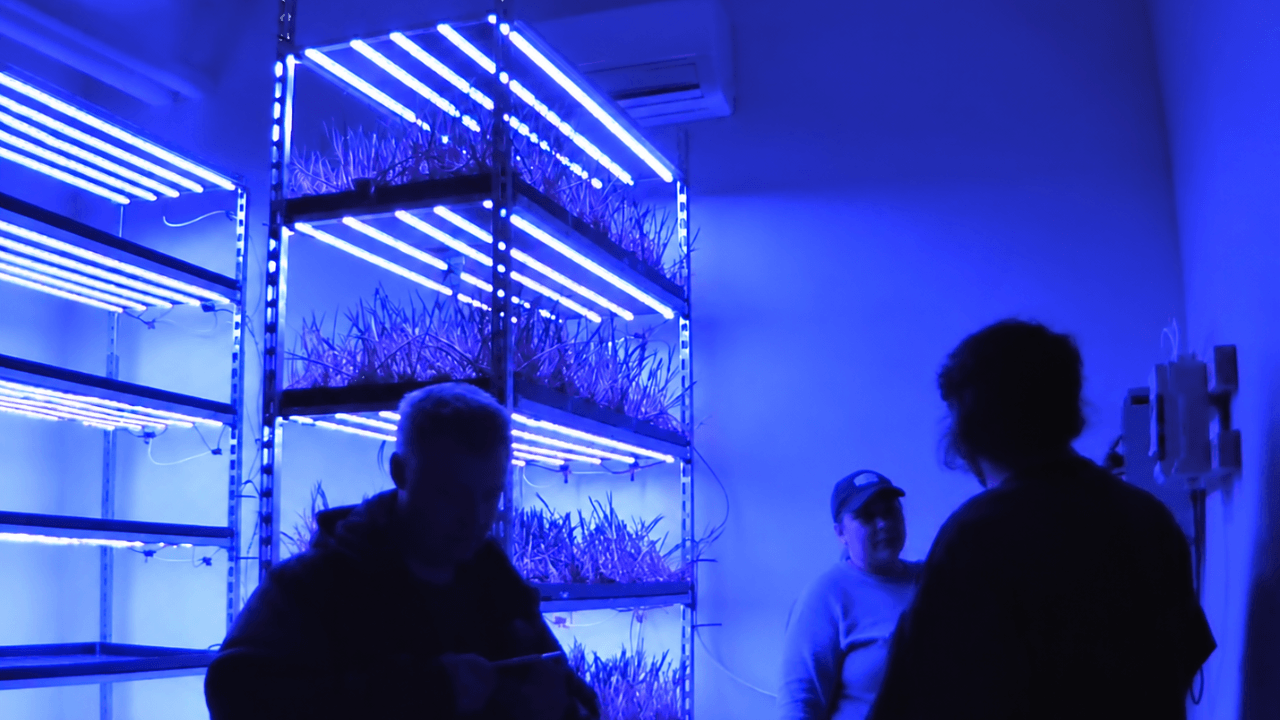
He believes vertical farming can still make sense in remote locations, regions with extreme climates, or for high-value crops such as saffron. But for low-value produce, the economics have proved much harder to scale. Insect farming has faced similar challenges.
French company Ÿnsect raised around €600 million over 14 years to develop insect-based proteins and fertilisers, but struggled with the costs and complexity of industrialising its technology. After several rounds of restructuring, it was ordered into judicial liquidation in December 2025.
“The idea sounds fantastic: take food waste, feed it to insects, and then turn those insects into animal feed. It’s circular. But the economics haven't really been there, and many companies in the industry have gone under.”
Alternative proteins: overpromised, underdelivered — but not dead
Alternative proteins have raised billions, but Skavén Ruben argues that disrupting a trillion-dollar industry requires more patience and investment in basic science.
"The industry largely overpromised and underdelivered. Many consumers tried vegan cheese or vegan fish, felt disappointed, and gave up on the category.
But I’ve been to the labs and tasted these products, and there are some really good ones out there. They need to come down in price, get through regulation, and increase distribution.”
He argues that sustainability or animal welfare alone is rarely enough to sell a product; it needs to solve a tangible problem.
“I’m not sure traditional VC was always the right type of capital for these companies. I certainly haven't given up on the space. I think it takes more time.”
“If nobody will pay for it, it’s a hobby, not a business”
Distinguishing promising early-stage food technology from a viable business can also be difficult. Skavén Ruben describes a “hierarchy of proof”, with repeat customers and recurring revenue at the top, followed by paid pilots, unpaid pilots, and letters of intent.
“As an investor, you want to see evidence as high up that hierarchy as possible. Do you have sales? Are those sales growing?”
He points to Germany’s Planet A Foods, which produces a cocoa alternative, as an example of solving a concrete problem. Amid volatile cocoa prices and increasingly complex supply chains, offering manufacturers predictable volume, quality, and pricing can be more compelling than simply promoting environmental benefits.
“Too often, you meet a startup that says, ‘We have this great solution.’ And my response is: ‘Cool. What's the problem you're solving, and who are you solving it for?’ “If you can't demonstrate that somebody is willing to pay for it, over and over again, then it's a hobby. It's not a business. People sometimes invest more with their hearts than brains.”
Skavén Ruben is no longer investing himself due to conflict-of-interest rules. Still, his role at Business Sweden keeps him closely connected to investors, startups, scaleups, corporates, policymakers, farmers, nonprofits, and NGOs across the sector. That breadth, he says, helps him “understand what kind of food system we're hoping to build and advance.”
“Different people want to optimise for different things, so understanding those perspectives is incredibly important.” And despite the sector's challenges, Swedish companies are working to solve the kinds of tangible problems Skavén Ruben describes.
Swedish agrifoodtech companies to watch
BlueRedGold
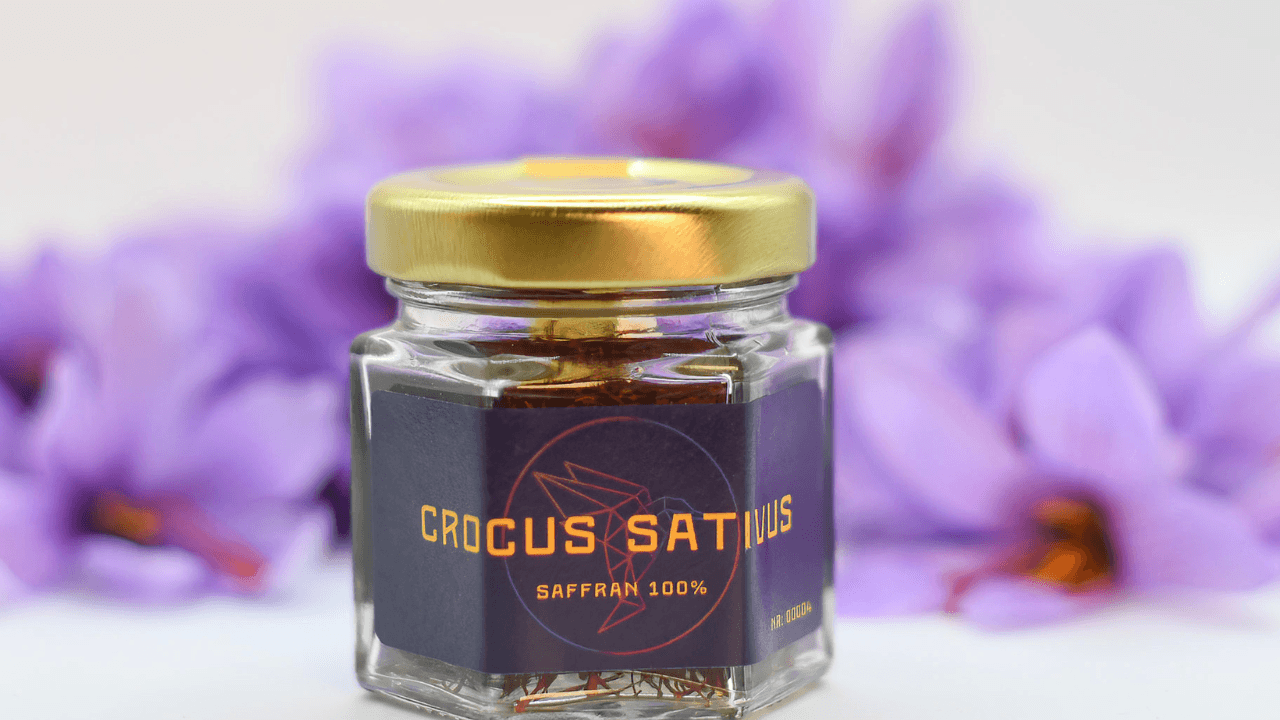
BlueRedGold is developing technology to produce farm saffron indoors.
Founded in Stockholm in 2021, the company combines hydroponics, vertical farming, robotics, and AI-based precision automation.
Its system uses different climate zones to reproduce stages of the saffron plant’s natural growing cycle, enabling year-round production rather than the single annual harvest associated with conventional cultivation.
Traditional saffron production is extremely labour-intensive: around 150 flowers are required to produce a single gram, with flowers typically picked and the valuable stigmas separated by hand.
BlueRedGold is developing automation for processes including sorting bulbs, handling flowers, separating stigmas, monitoring crops, and quality control. Its aim is both to lower the cost of indoor saffron production and create a scalable cultivation system that could ultimately be licensed, in whole or in part, to other growers. BlueRedGold sells saffron primarily to the food and nutraceutical industries, positioning controlled cultivation as a way to improve quality, traceability, and supply consistency.
OlsAro
Gothenburg-based Swedish agritech OlsAro is developing climate-resilient cereal crops. A spinout from research at the University of Gothenburg and Lund University, the company has built SeedAX, a seed genetics and biotech platform designed to accelerate the discovery of useful crop traits and development of new varieties.
The company says its platform can cut seed-development time by half compared with traditional breeding approaches.
OlsAro's first commercial focus is salinity-resilient wheat, intended for regions where salt accumulation in soils makes conventional farming difficult or significantly reduces yields. In four years of field trials in Bangladesh, the company's wheat has demonstrated up to a 41 per cent yield increase under saline conditions. OlsAro is also conducting international trials of salinity- and heat-tolerant crops and is developing nitrogen-efficient wheat.
Long term, it plans to explain its tech to other cereals, including rice, maize, barley, oats, and rye. The company works with established seed companies, integrating SeedAX into their breeding programmes rather than building an entirely separate seed-distribution system, which could bring climate-resilient varieties to market faster as rising temperatures, drought, and soil salinity put increasing pressure on cereal production.
Two Face Brew Stockholm
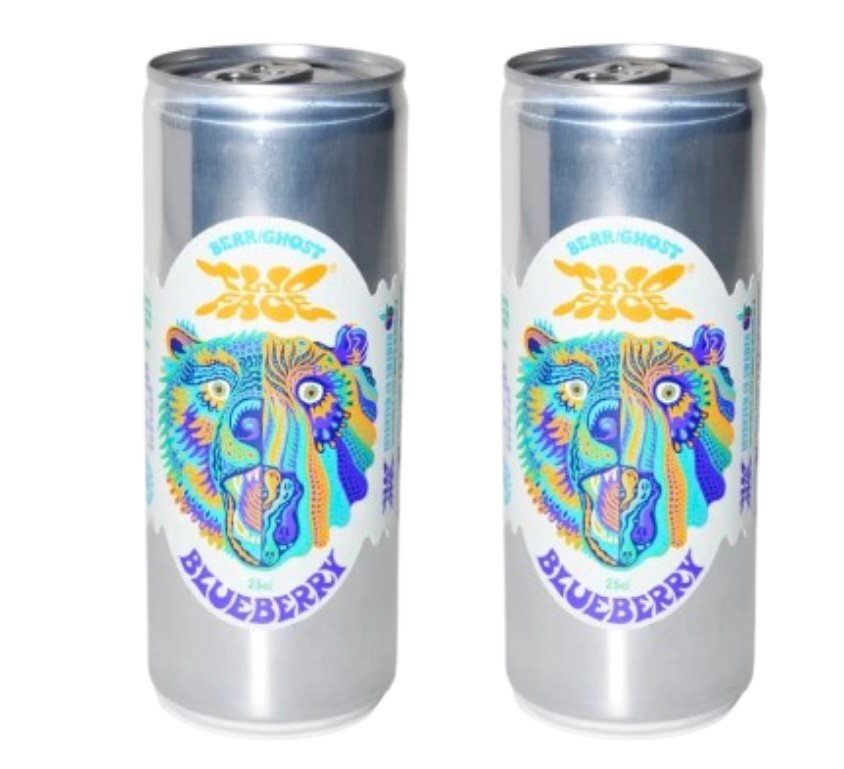
Drinks startup Two Face Brew was founded in 2024 and produces non-alcoholic fermented beverages from tea and fruit.
The production process starts with brewed tea, which is cooled and combined with sugar and a culture from an earlier batch. Yeast converts sugar into alcohol and carbon dioxide before bacteria convert the alcohol into organic acids, including lactic, malic, and glucuronic acids. This produces drinks with the complexity and acidity of fermented alcoholic beverages but virtually no alcohol.
The finished products are pasteurised and carbonated. Its range includes a dry sparkling tea alongside fermented sodas made with ingredients such as blueberries, cherries, strawberries, quince, sea buckthorn, and rosehip.
Two Face Brew drinks are available across multiple markets beyond Sweden, including Denmark, Finland, and the Netherlands.
RM Labs
RM Labs develops new ingredients for the food, nutrition, and beverage industries. Based in Timrå, in the heart of Sweden’s forestry industry, the startup is exploring how to turn food-grade cellulose from Nordic forests and other natural raw materials into functional food ingredients.
One of its main projects is a cellulose-based replacement for granulated sugar. RM Labs aims to create a 1:1 substitute that behaves like conventional sugar in applications such as baking, without adding calories or affecting blood sugar levels. It is also developing a gluten-free flour alternative intended to replicate the taste and texture of wheat flour.
Under its Royal Monkey brand, the company has also developed RM Clear, a stevia-based sweetening system for beverages; selected Nordic brands are expected to use it in product development and pilot launches. Its business model centres on developing ingredients and formulations that it can license to established food brands, alongside R&D projects for food, health-food, and beverage companies.
RM Labs plans to expand its Timrå laboratory and says its longer-term ambition is to help establish northern Sweden as a hub for foodtech based on forest-derived raw materials.
Sonicflora
Sonicflora is developing technology that aims to detect plant stress before visible symptoms appear by listening to ultrasonic signals emitted by plants.
Rather than relying on environmental proxies or attaching sensors to individual plants, its non-invasive system captures signals across growing environments. It uses AI to translate them into information about changes in plant physiology.
Earlier detection could let growers intervene before significant damage occurs, potentially reducing crop losses and water and pesticide use while improving yield predictability.
Longer term, Sonicflora plans to build a proprietary biological dataset from plant signals across different crops, seasons, and environments, creating what it describes as a new “biological intelligence layer” for agriculture.
Lead image: BlueRedGold.


Would you like to write the first comment?
Login to post comments