

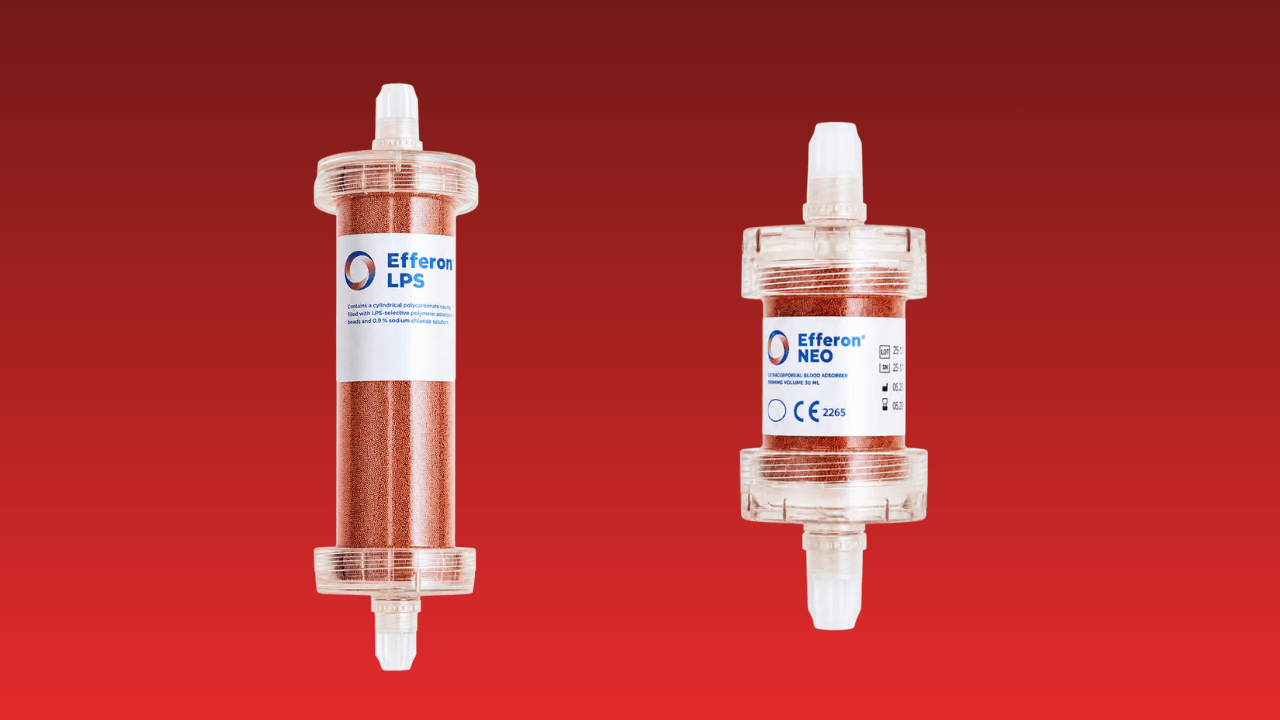
Efferon, a biotech company developing hemoadsorption devices designed to remove endotoxins and excessive inflammatory mediators from the bloodstream, has raised €4.3 million from existing private investors in the DACH region.
Check out our earlier interview with Efferon CEO Dima Romashin.
Originally developed for critical care settings such as sepsis and septic shock, Efferon’s technology is approved and used across Europe.
More than 30,000 treatments have been performed using the company’s devices, which are distributed in 46 countries.
By targeting systemic inflammation, a core driver of critical conditions, chronic diseases, and aging-related decline, Efferon is expanding beyond intensive care into broader healthcare and healthy aging applications.
The funding will support the commercial expansion of Efferon’s product portfolio, including Efferon LPS and Efferon NEO, in Europe, India, and Latin America; further development of the company’s network of 21 distributors; continued regulatory work; and the strengthening of its clinical evidence base.
Efferon devices are currently available in 46 countries. According to the company, revenue exceeded €1.1 million in 2025. Efferon expects revenue from its intensive care products to reach approximately €5 million in 2027. Subject to successful registration, outpatient products could contribute up to an additional €3 million.
“The new investment will support R&D, including the development of new devices and research into applications of the technology in adjacent medical fields. It will also help us expand our distributor network, train medical teams, and strengthen our clinical evidence base. These results should lay the foundation for a full Series A round and further progress along the regulatory pathway in the United States,” said Dima Romashin, Co-Founder and CEO of Efferon.
As Efferon enters the Indian market, the company plans to combine commercial distribution with the systematic collection of real-world implementation data. The initiative will examine how the technology is integrated into clinical workflows, how medical teams are trained, and which factors support or hinder adoption.
The findings will help Efferon develop an optimal model for bringing hemoadsorption technology to new healthcare markets.
Efferon’s broader goal is to make hemoadsorption more accessible to hospitals and patients. Developing this infrastructure should support clinicians’ efforts to reduce sepsis mortality alongside timely diagnosis and standard intensive care.


Would you like to write the first comment?
Login to post comments