
Nsave , a UK-founded offshore banking platform built for people from distressed economies, today announced the launch of financial services for Syrians in two phases: inbound transfers into Syria and international accounts for residents inside Syria.
For the first time, Syrians will have access to a stable foreign currency account, providing a hedge against local economic instability.
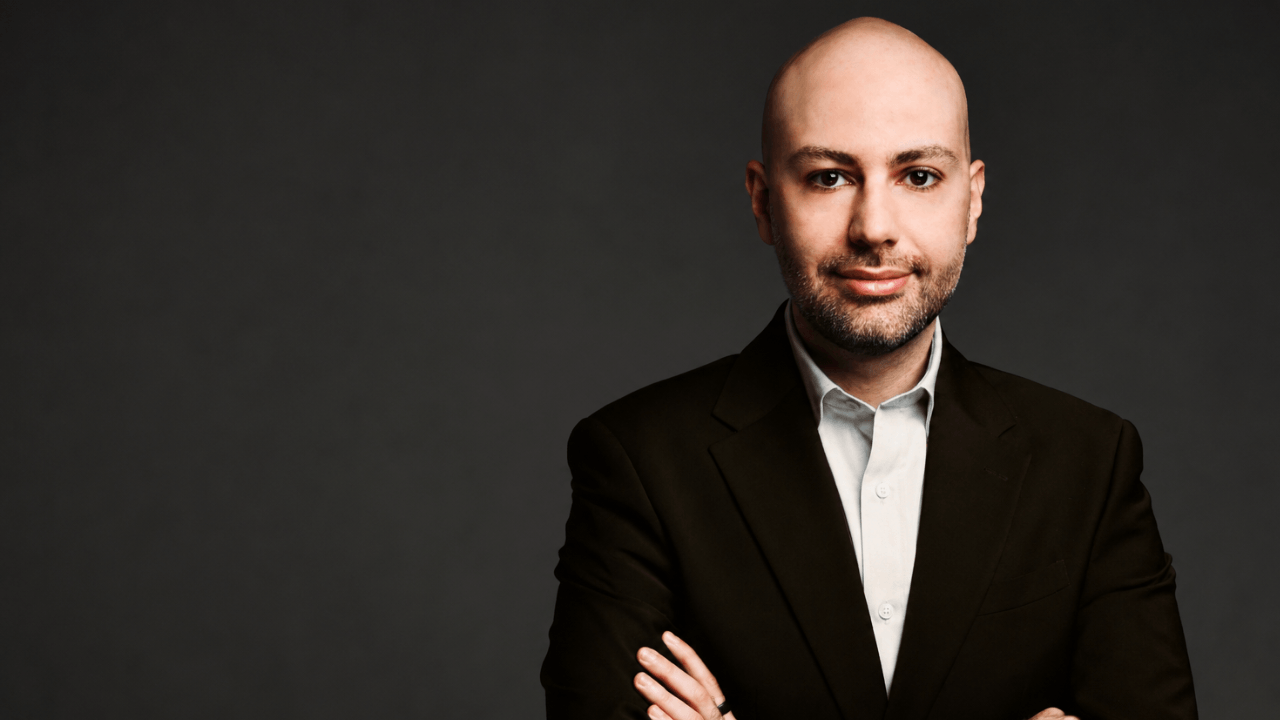
I spoke to the founder and CEO, Amer Baroudi, to learn more.
For millions of Syrians, access to basic financial services has been out of reach for generations. Baroudi started the company after experiencing firsthand the challenges Syrians face in accessing reliable financial services.
He shared that as a Syrian, he spent most of his adult life effectively unbanked. Despite studying at Oxford as a Rhodes Scholar and later building companies internationally, accessing financial services remained one of the biggest barriers he faced:
“Not because of anything I did, but because of where I was from. nsave exists because I know firsthand what it costs: in dignity, in opportunity, in the exhaustion of navigating a financial system that treats your nationality as a disqualifier.
Over 700 million people globally come from distressed economies where inflation is high, and banking is broken — they face similar challenges as I did simply because of where they are from.”
According to Baroudi, legacy banks have deliberately adopted blanket compliance frameworks that treat entire nationalities as too risky to serve.
Now sanctions on Syria have been lifted, and that has contributed to nsave being able to launch.
“At nsave, we've built technology specifically designed to assess individual risk accurately, not to write off populations by virtue of their passport. The gap is the willingness to do the work required to serve people responsibly.”
However, the main challenge for Syria, like some of the other markets it serves, is building a platform that is both accessible and fully compliant with international standards.
The Syria transfer corridor has been built with a strong compliance-first approach by leveraging technology and building enhanced onboarding, sanctions screening, AML monitoring, and risk controls from day one to ensure the corridor operates safely and responsibly.
It is structured in complete separation from partner financial institutions, allowing nsave to serve Syrians without exposing partners to country risk they are not yet ready to take on.
“This didn't happen by accident. It took deep regulatory work and a team that refused to give up”, Baroudi added.
“We've structured these services carefully –– fully separated from partners still finding their footing in Syria –– because we weren't prepared to wait. Syrians have waited long enough.
They deserve modern, safe and affordable financial services, and today we start delivering that.”
Through nsave, users can access international USD, EUR and GBP accounts, international cards, global transfers and savings products. nsave’s addition of transfers to Syria, alongside its existing markets across North Africa and Asia, expands its mission to serve people from countries where inflation is high, and access to safe financial services is difficult or impossible, whether due to instability, sanctions complexity or weak banking infrastructure.
The launch comes at a significant moment for Syria’s financial future, as renewed focus on economic reconstruction, financial inclusion, and the rebuilding of trusted financial infrastructure creates an opportunity to reconnect Syrian families, businesses, and the diaspora.
nsave will continue expanding its product and transfer capabilities for underserved communities globally, with a focus on building compliant financial infrastructure for people historically excluded from the international banking system.
According to Baroudi:
“Our long-term ambition is to become the default, compliant gateway between distressed economies and the global financial system: providing the full stack of financial services that people in stable economies take for granted.
There are hundreds of millions of people who deserve that access. We're building for them.”
The company raised $18 million in January 2025.


Would you like to write the first comment?
Login to post comments