

Stockholm-based defence startup Terasi has won an €11 million seed investment, co-led by the NATO Innovation Fund, the startup said today.
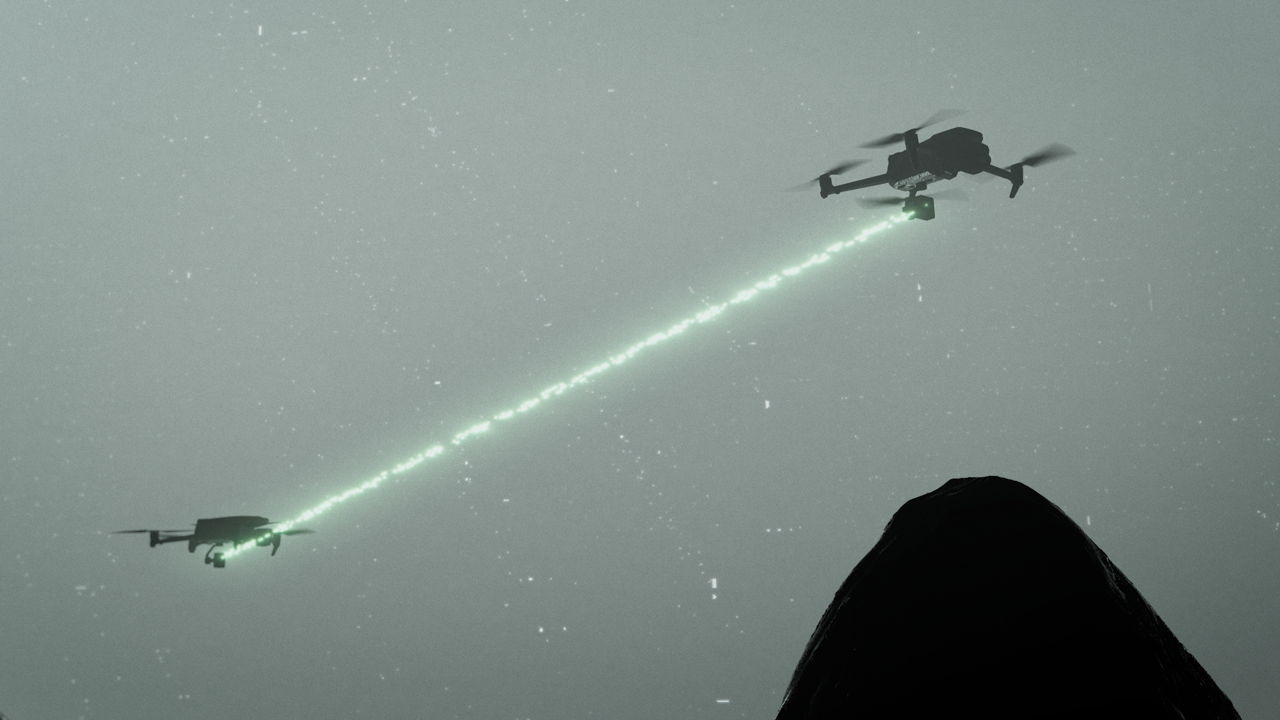
Terasi builds communication technology geared towards the battlefield that is hard to intercept or jam. Specifically, it makes component parts that can transmit large amounts of data at high frequency. Its tech is geared towards defence, satellite, and telecoms industries.
The startup has developed pocket-sized tech that can create secure, gigabit-speed wireless links without needing fibre or towers, a technology which lends itself to military and emergency communications. It claims to be the only European manufacturer that can deliver a “flexible wireless communications system for contested environments that does not compromise on security, deployability and high-speed data capacity”.
The funding round was co-led by Join Capital, the early-stage European fund, with participation from new investors In-Q-Tel and D3, and returning investors Navigare Ventures, Almi Invest, Onsight Ventures, Further Than Capital and KTH Ventures.
The spinout from the KTH Royal Institute of Technology says it will use the funding to scale its tech to European armed forces, grow its team, and develop new products.
James Campion, CEO and co-founder of Terasi, said: “Europe’s armed forces need to be able to move decisive information securely, at speed, and in environments where infrastructure, satellites and the spectrum itself may be contested. That is about more than connectivity. It is about restoring Europe’s freedom to operate and communicate on its own terms.
“The same need extends beyond defence. From critical infrastructure to remote and sensitive industrial operations, organisations need communications that remain reliable when fixed infrastructure is unavailable, too restrictive or under attack. As hybrid threats increasingly target the systems our societies depend on, that resilience matters far beyond the battlefield. With this funding, we can get these capabilities into the field faster and take them further.”


Would you like to write the first comment?
Login to post comments