
Today, CES exhibitors and attendees ready themselves for a final day of traversing booths, dodging bright lights and choosing the most coveted swag (always say NO to the USB sticks, folks).
Meanwhile, Europe’s startups are going to the last mile, showcasing innovative tech in the hope of catching the eye of investors, customers, retailers, and ecosystem partners.
If you’re at the show today, here are some more can’t-miss startups:
Chimera Tech (Italy)
Chimera Tech brings together AI, engineering, design and strategic thinking to build practical technology solutions for real-world problems.
The most interesting is SmartSailor, an AI + IoT platform for smarter boating. SmartSailor links data from sensors and devices on board — such as batteries, bilge pumps, weather instruments, cameras and navigation instruments — into a unified view. This lets owners see the status of key systems both locally and remotely, even when they’re not on the boat.
The platform can detect anomalies and unexpected events — for example, low battery levels, rising bilge water, anchor drift or critical weather changes — and send alerts to the owner’s phone.
It tracks energy consumption and onboard performance, turning raw sensor data into clear, actionable information. Owners can analyse how systems are performing over time and make decisions about power use or maintenance.
Further, depending on the hardware installed, users can remotely activate systems — such as lights, pumps or refrigeration — directly from a cloud dashboard.
Coroflo (Ireland)
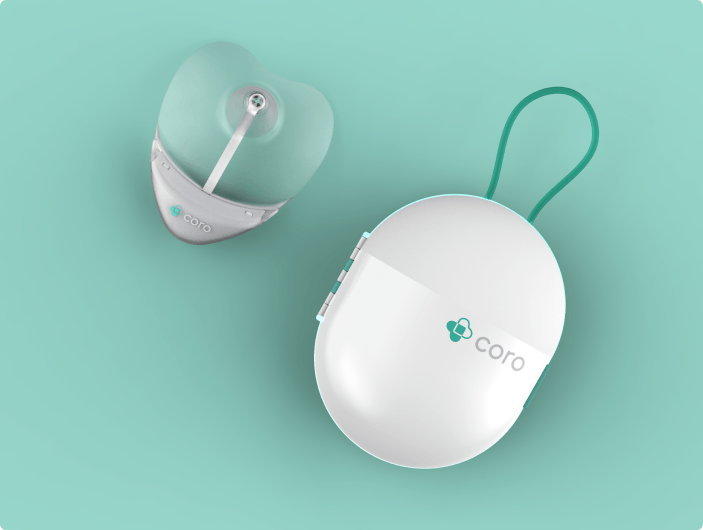
Coroflo has developed Coro, a device designed to help breastfeeding parents accurately measure how much breast milk their baby is getting in real time.
It’s intended for use when someone wants more detailed information than traditional signs (like weight gain, wet nappies or feeding cues) can provide.
Coro looks like a nipple shield — a soft silicone shield some parents already use during breastfeeding — but it has a tiny built-in sensor that measures milk flow and volume as the baby feeds.
A corresponding app displays real-time feed information such as how much milk flowed, how quickly, and for how long.
Factorial Robotics (Ukraine)
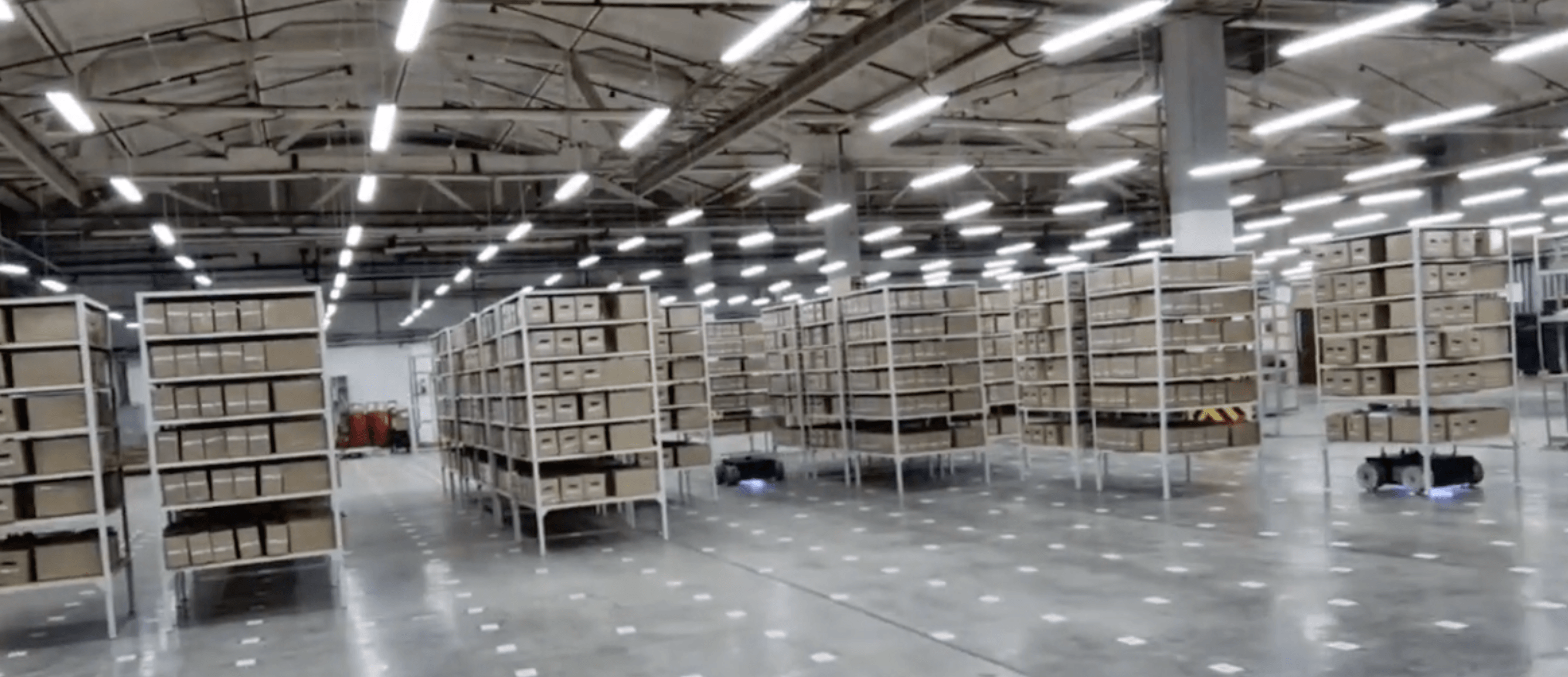
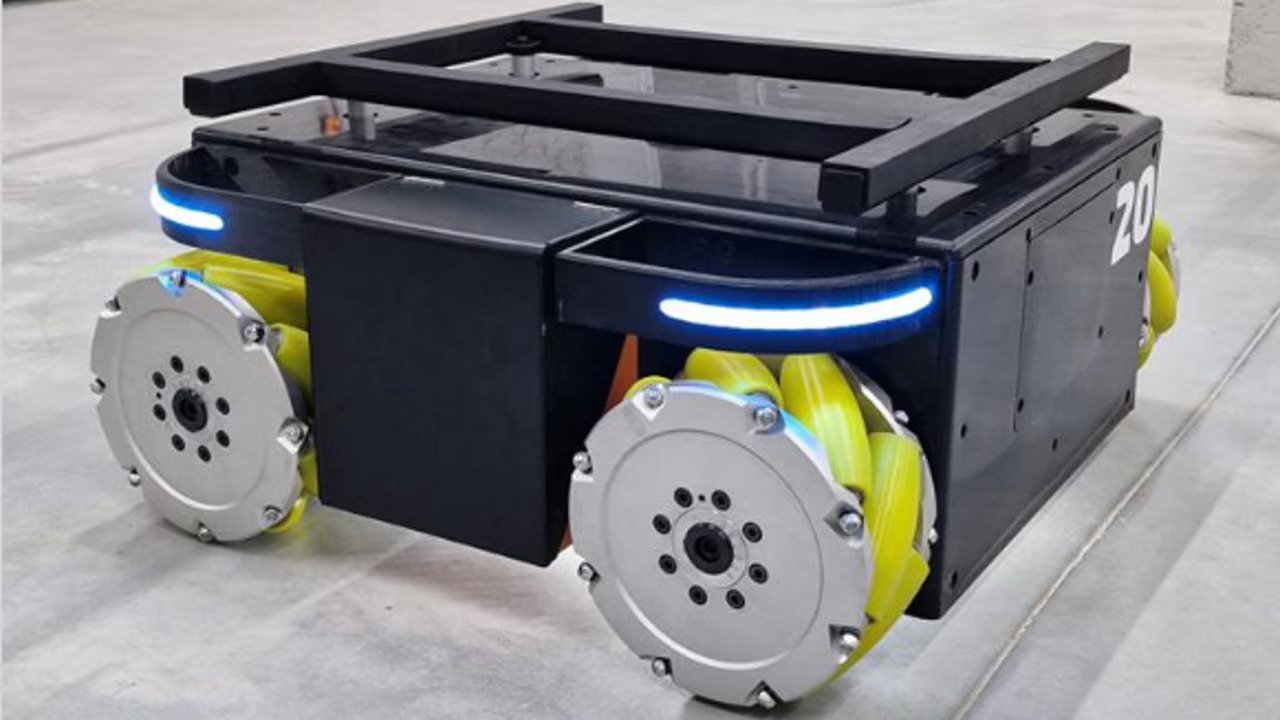
Factorial Robotics has developed Shapid, a family of autonomous warehouse robots that move goods independently around warehouses, factories, and distribution centres guided by sensors and software.
Using onboard sensors such as lidar and QR-code guidance, the robots navigate warehouse floors independently and operate as a goods-to-person system, bringing pallets, parts, or items directly to workers instead of requiring staff to walk long distances to retrieve inventory. Each unit can carry loads of up to around 600 kg and operate for extended periods, while 360-degree sensors support obstacle detection and safe navigation.
Shapid robots communicate wirelessly with each other and a central fleet management system, which coordinates tasks and routes across multiple units.
The platform is modular, allowing hardware to be reconfigured or upgraded for different warehouse tasks, and it integrates with existing warehouse software for tracking, routing, and scheduling.
Willo (Finland)
Willo is building truly wireless power delivery systems — a wireless power technology that aims to replace traditional power cables with over-the-air energy transmission.
Inspired by Nikola Tesla’s early ideas about wireless electricity, the startup aims to power a wide range of sectors, including consumer electronics, industrial automation and robotics, smart buildings, healthcare devices, logistics and IoT sensor networks.
Willo’s core tech enables power to be transmitted through the air in all directions — similar to how Wi-Fi transmits data — but with energy instead of signals, allowing devices to receive power without physical cables or strict alignment constraints.
Crucial to real-world applicability, Willo’s system is designed to deliver uninterrupted omnidirectional power — meaning multiple devices can be powered simultaneously without needing to be pointed directly at a transmitter, unlike traditional power cables.
GYM 3000 (Croatia)
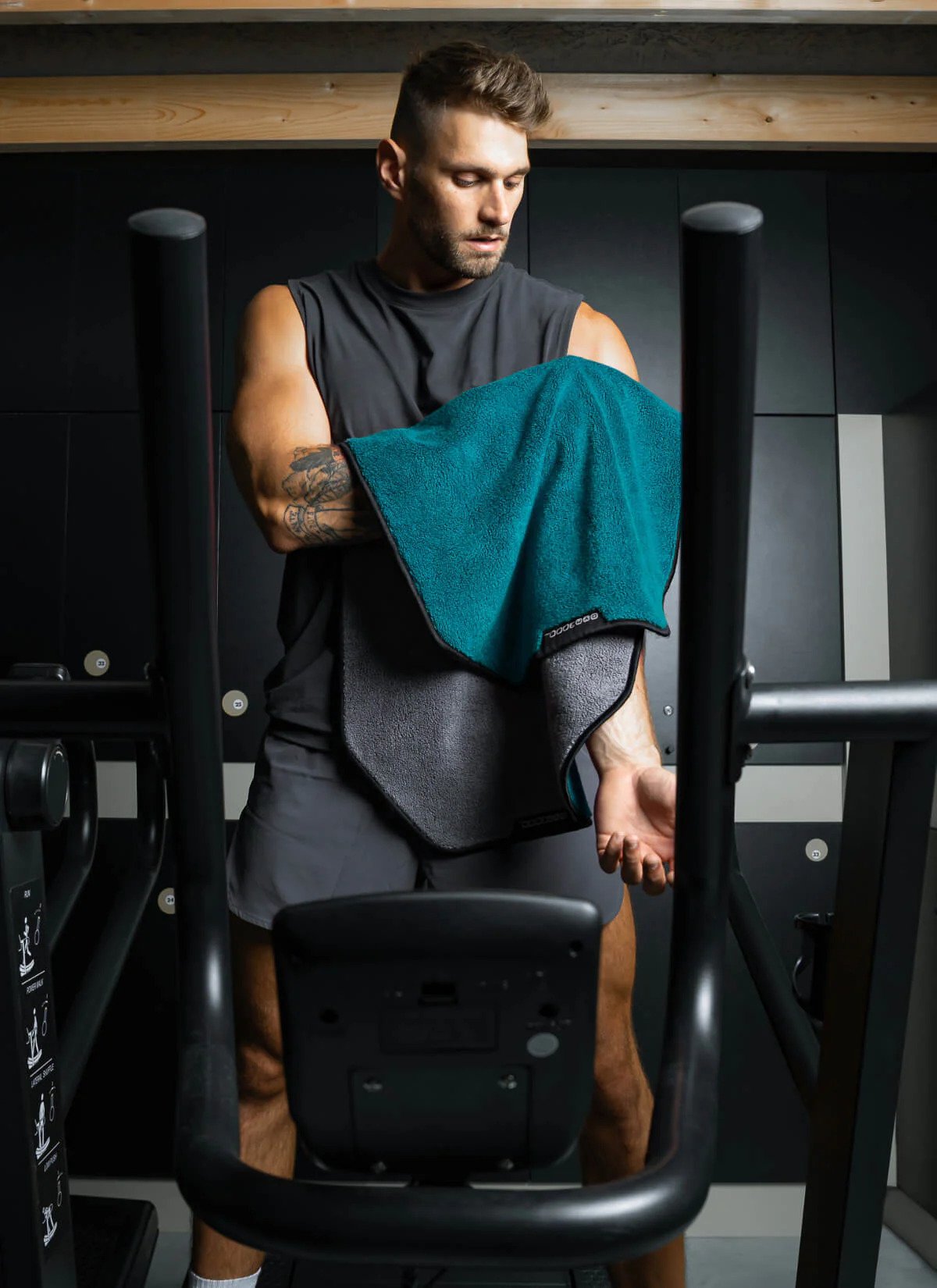
Bringing the quantified self up a notch, GYM 3000 has developed the FitButlr Smart Fitness Towel, a fitness towel embedded with NFC (near-field communication) technology.
It aims to combine comfort, hygiene, and a digital identity in one product.
The towel is cut to fit gym machine seats and has a dual-zone design: one side is for your body and the other is for gym equipment. Each towel has tap-to-connect technology (NFC). You can tap it with your phone to claim it, name it, and link it to your profile, making it personally identifiable.
While let’s face it, the towel is only a “nice-to-have” for serious gym users, the longer-term plan is for it to function as a digital key or interaction device, replacing traditional gym cards or keys, and to connect with an app that tracks workouts.
The company is also developing biosensor modules designed to analyse sweat and translate that data into practical training insights.
Yneuro (France)
Yneuro is redefining digital identity by leveraging unique brainwave patterns — essentially turning your brain’s electrical activity into a biometric key with Neuro ID.
It is developing a device that uses EEG (electroencephalography) sensors to identify a person. EEG sensors capture the brain’s electrical activity through wearable headsets or ear-worn devices, producing raw neural signals.
Yneuro’s platform then applies AI and machine-learning models to this data to identify a unique neural signature. That signature is transformed into a cryptographically secure authentication key — effectively replacing traditional passwords with one generated directly from a person’s brain activity.
The neural signal is unique and non-duplicable and harder to spoof than fingerprints or facial recognition.
Potential use cases include:
- Secure login to devices and services,
- Identity verification for financial and government systems,
- Wearables and future AR/VR human-computer interactions.
XIVIX (Belgium)

Will robotics make going to the dentist better?
XIVIX is developing an end-to-end digital and robotic workflow for dental restorative care that uses advanced imaging, AI planning, precision manufacturing, and clinician-supervised robotics to improve how crowns, veneers, and other prosthetics are delivered.
3D scanning is used to make a digital twin of your teeth and mouth. Ai then designs a precise fitting crown in advance so it's ready before you even fit in the chair.
During the visit, a six-axis robotic arm, equipped with force sensing and operated under continuous human supervision, helps prepare the tooth and place the pre-made crown with very high accuracy, adjusting in real time to tiny movements, removing the need for jaw clamping or rigid head immobilisation.
The result is that many crowns or bridges can be completed in a single appointment instead of multiple visits, and are more likely to fit the first time with less drilling, fewer adjustments, and less time in the chair.
Lead image: Factorial Group's Shapid AGV.


Would you like to write the first comment?
Login to post comments