

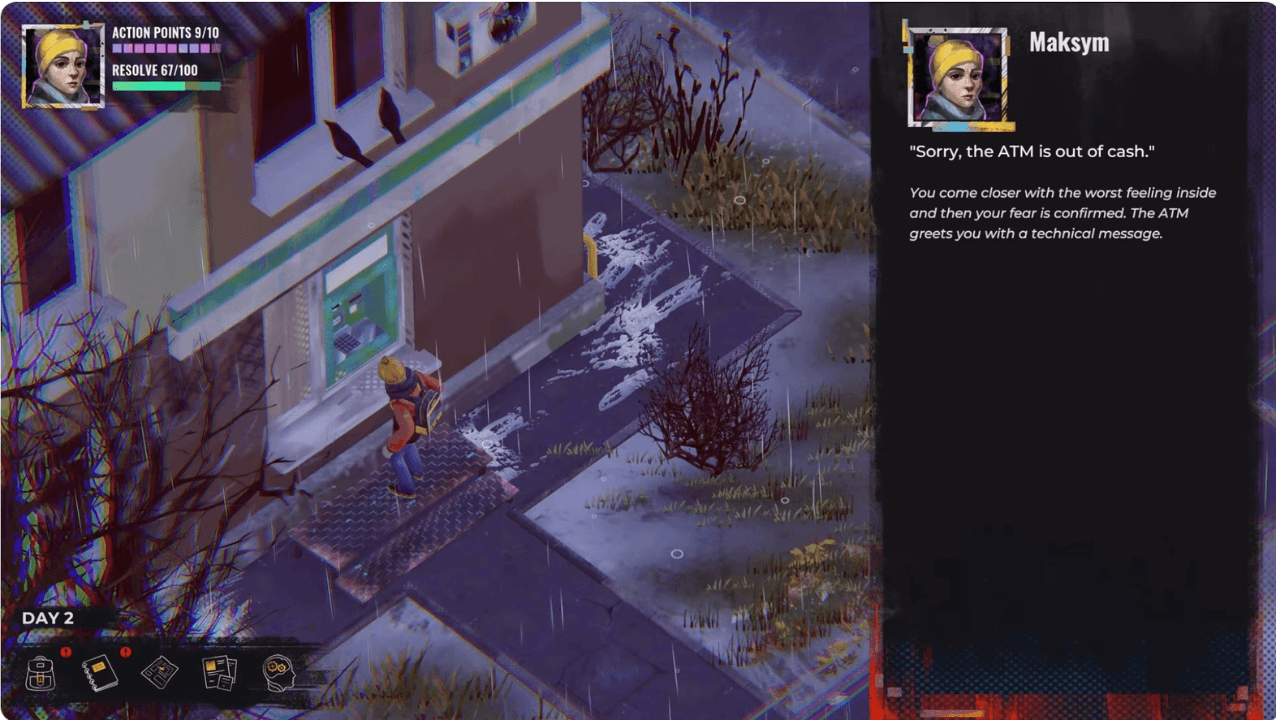
Some Ukrainians have told the creators of the game Hollow Home that they will buy the game but may never be able to play it.
It's an understandable response to a game that turns one of the darkest chapters of Russia’s full-scale invasion of Ukraine into an experience seen through the eyes of a 14-year-old civilian.
Telling war through the eyes of civilians
Created by Twigames, Hollow Home tells the story of the war not through the eyes of fighting soldiers but through the experience of civilians caught in it.
While its characters are fictional, the game draws on the realities of Russia’s war against Ukraine and presents the conflict through a child’s perspective.
Twigames is an independent game development studio based in Kyiv, Ukraine, founded in 2015. The Kyiv-based team of 20 develops its own games and provides outsourced/co-development services for other game companies.
Its work spans PC, consoles, mobile, and VR/AR, with services including programming, game design, and 2D/3D art. Twigames CEO and co-founder Valeriy Minenko has been developing games for more than 15 years.
In the game, players follow Maksym, a 14-year-old whose ordinary childhood is abruptly upended as Russian forces attack his city. It focuses on the human consequences of war through dialogue, exploration and branching quests.
Players meet residents, develop practical skills such as cooking, crafting and first aid, and make difficult choices about survival and helping others with limited time and resources.
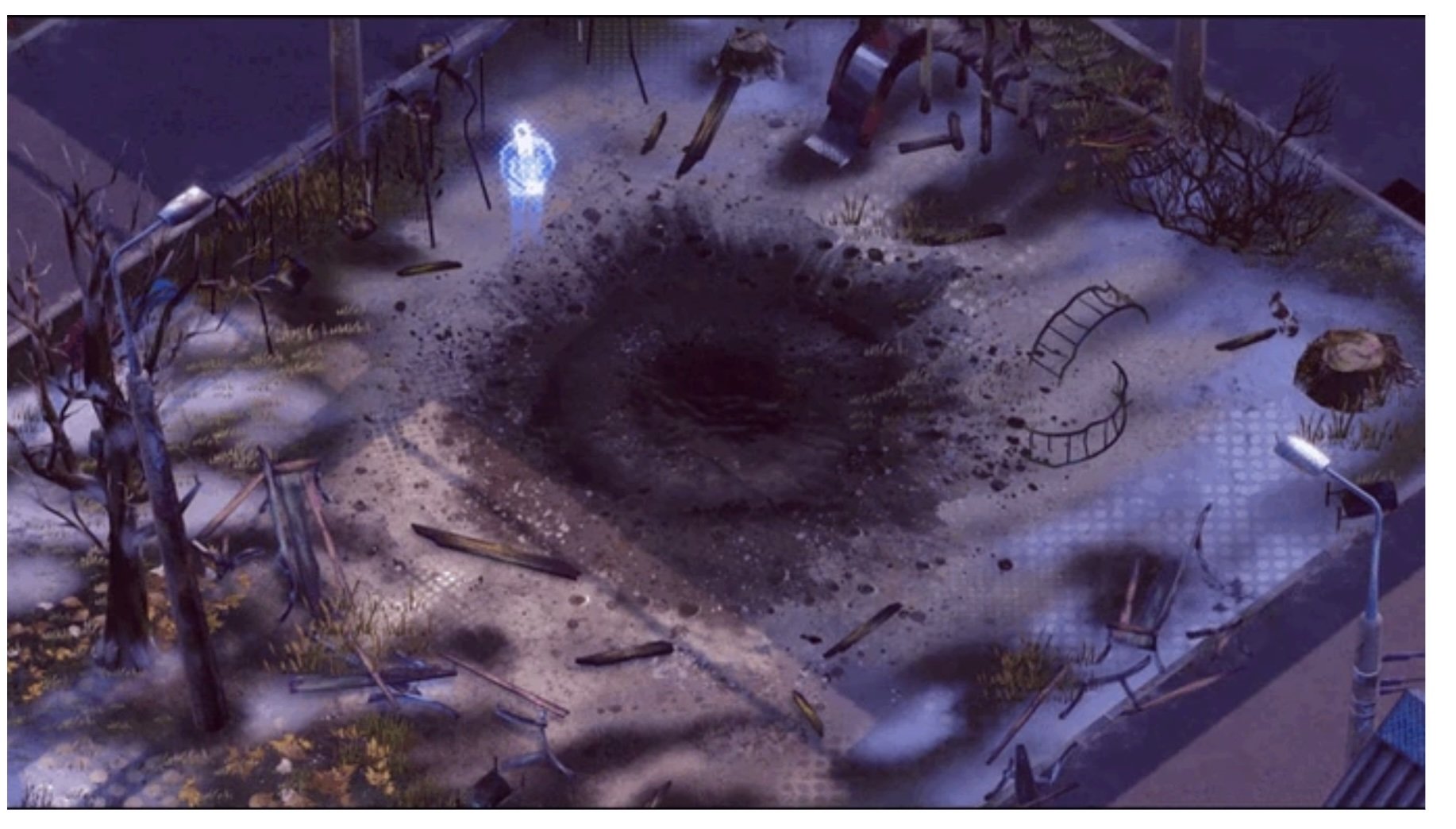
As the story progresses, neighbourhoods are destroyed or occupied, people disappear, and the city gradually becomes a shadow of its former self.
Notably, the designers don't use AI in any format in this project.
“Everything here is handmade – code, models, hand-painted textures,” shared Minenko.
A game born from the first months of invasion
When the full-scale invasion started, most of the team decided to leave Kyiv for a while. Minenko recalled:
“We lived in two different locations. Part of the team stayed with my family and me in a house in the Carpathian Mountains for the next two months.
We lived and worked together and talked a lot about what was happening. Things were happening that you couldn’t previously have imagined were possible.”
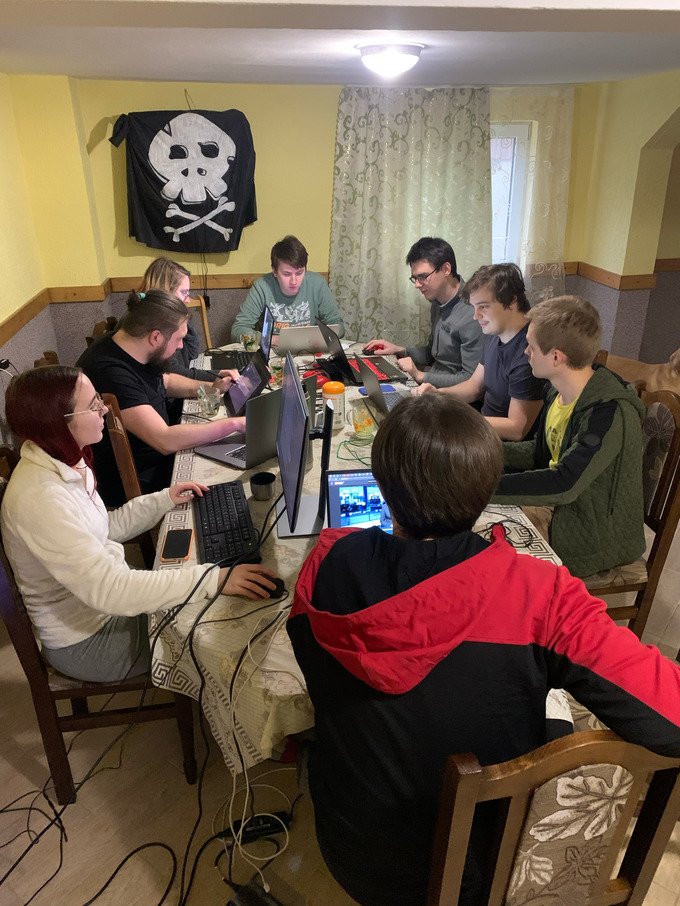
At the time, he recalls a feeling that because the things happening in Ukraine were so horrible, perhaps people elsewhere in the world didn’t believe they were possible or didn’t see what was happening.
“We had the idea that we should tell people more about the war and draw more attention to it so they would help. Everybody in Ukraine was trying to do that.”
One of the most dramatic stories of the beginning of the invasion was the siege and occupation of Mariupol which resulted in at least tens of thousands dead, homes and critical infrastructure decimated as well as systematic attacks on energy, water, food distribution, and healthcare infrastructure, with findings that Russian forces used starvation as a tactic by targeting objects indispensable to civilian survival as well as other war crimes.
“We could not stay away from the story, and one evening, during our evening after-dinner conversation in the living room, we came up with an idea of the Hollow Home game,” said Minenko.
The team started discussions, developed the concept, prepared a pitch deck and made some sketches. They returned to Kyiv in May 2022 and started developing the game, and little by little the project grew.
Immediately after announcing their plan for the game, the team received a lot of support from the Ukrainian community and other game developers who offered their support.
For Hollow Home, the team gathered over 600 pages of data from open and verified sources, including official Telegram channels, publications of Mariupol journalists, and public social media. Several people sent the team their diaries that they kept during the occupation. These sources provided thousands of accounts from witnesses who were in Mariupol during the siege.
Ukrainian composer Danylo Dunets, originally from Mariupol, who composes music for films, TV and games under the moniker IHuman, reached out and ended up creating the game’s soundtrack. Sales from his album HATRED are donated to fund the defence forces of Ukraine.
A game that isn’t about fun
When you’re dealing with a subject like war, I wondered how you decide what to include and what to leave out.
Minenko admits it's a tricky question.
“The story is dramatic and tragic, and it can remind people, particularly in Ukraine, of very difficult experiences.
Our project is relatively well known in Ukraine, and one of the comments I often see from Ukrainians is something like, “I’m just not able to play it.” Sometimes people say, “I’ll buy it, but I won’t play it.”
The team has tried to maintain a balance. The game doesn’t include on-screen violence or people dying.
“It’s more about how war affects the lives of civilians.
Hopefully, it will make some people think about that. But, on the other hand, it is a project with a difficult story, and I understand that not everyone will want to play it.
People often play games to have fun or to escape.
This game isn’t really about fun.”
When war becomes part of the game
Hollow Home is part of a growing body of Ukrainian games reflecting the realities of Russia’s full-scale invasion, spanning fictional depictions of combat and civilian life to tools developed from real-world military experience.
Other titles include Glory to the Heroes, a tactical military shooter; UWAR, centred on modern battlefield scenarios; and Death From Above, an arcade-style game built around drone warfare. There’s also Ukrainian Fight Drone Simulator (UFDS), a training simulator developed in Ukraine alongside active FPV drone operators and used to prepare Ukrainian combat drone pilots before they operate real hardware. Its Steam release is a civilian version of the professional training tool, allowing people to play and learn from technology that originated in a military rather than entertainment-first environment.
Industry recognition even before release
During development, Hollow Home received several awards, including:
- Games Gathering 2024 — Best Conference Game and Game Star (Winner)
- Nordic Game 2024 — Pitch Battle (Winner)
- Indie Cup Ukraine 2023 — Most Promising Game and Critics' Choice (Winner)
According to Minenko, Hollow Home is one of the biggest projects the studio has ever undertaken, made particularly challenging by its subject matter. He admits that you can develop a game for quite a long time and have no idea whether people will like it until you release it — or perhaps a little earlier, when you show a demo.
“Before your game gets to the store and someone starts playing it, it’s hard for you to assess how good it is. You don’t even realise it yourself during development. Contests are one of the things that help keep you believing and motivated.”
“We live with greater risks than studios in many other countries, and it’s more difficult for us to work here.”
The annual Ukrainian Games Festival returns to Steam from August 17–24, 2026, showcasing Ukrainian games, demos, new releases, and developer announcements.
Find out more about Hollow Home and support the game’s development on Kickstarter.


Would you like to write the first comment?
Login to post comments