

I’ve spent the last few days at IFA, Germany’s answer to CES and Europe’s biggest consumer electronics show. It’s a strange beast. Beyond the halls of white goods and TVs, you traverse floors filled with robot dogs (including one being walked on a leash), robots fighting in a boxing ring (yes, really), and enough mobile phone accessories to fill a cavernous landfill site.
With exhibitors from 49 countries, with a little effort, you can uncover some fantastic startup gems, although Asian startups occupy noticeably more floor space than their European counterparts.
More strikingly, of the 10 winners and 20 honorees in the Best in IFA Next & Emerging Technologies category in 2026, none appear to be of European origin, to the best of my knowledge.
The closest exception I found is honoree ZENOWELL, recognised for its vagus nerve stimulation wearable, Zeno One (stay tuned for a future review). The company says the idea originated in Heidelberg, Germany, through discussions in a lab at Heidelberg University Medical School. Co-founder and CEO Jo Xue is also a PhD candidate at Heidelberg University.
But that doesn’t mean Europe is short of exciting consumer hardware startups — far from it.
Rather, fewer appear to be exhibiting at IFA, perhaps choosing instead to make the annual pilgrimage to Las Vegas each January in the hope of conquering its US counterpart. There are also those who take to the stage to share their insights rather than the exhibition floor.
But here are just a few I checked out that should definitely be on your radar:
BP Relax (Germany and Poland)
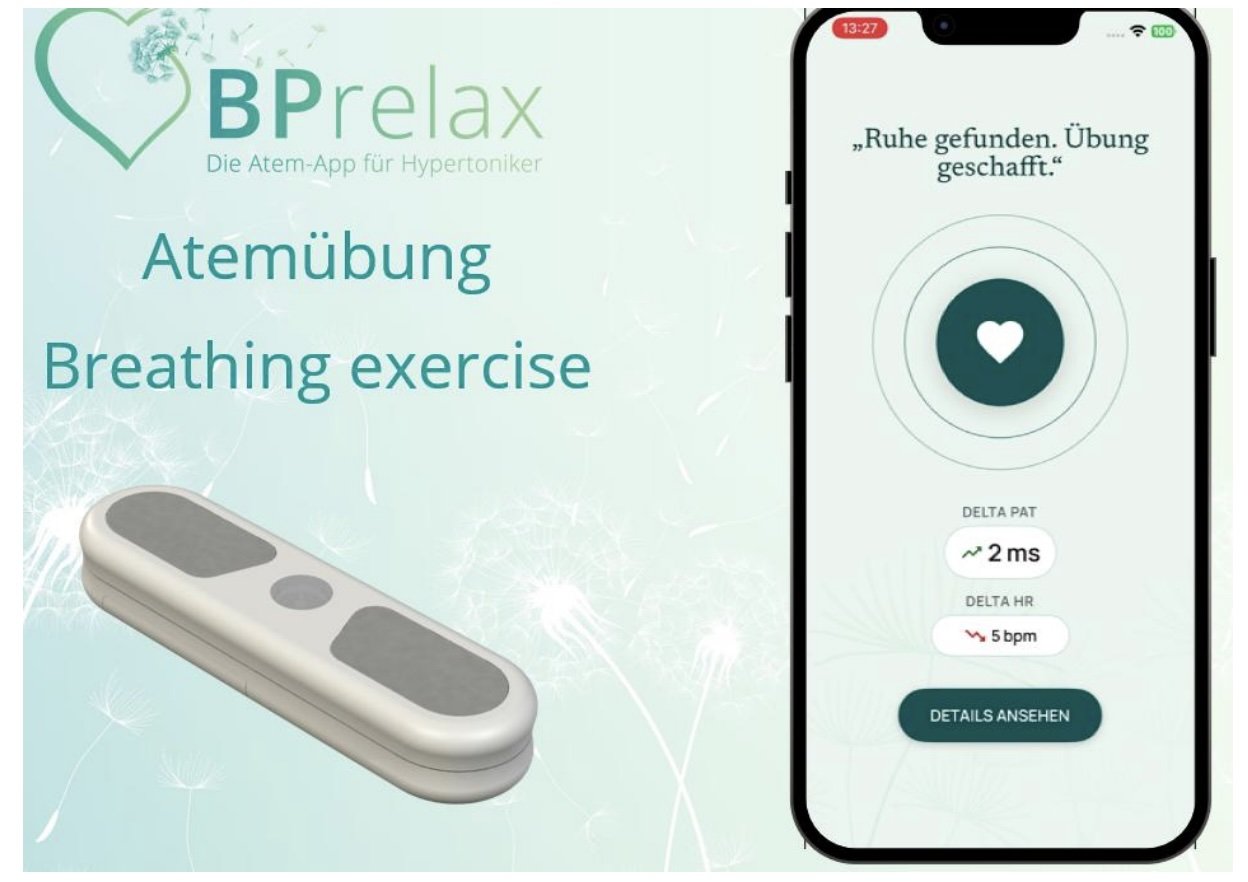
BP Relax is a digital health company developing tech for people with high blood pressure. BP Relax combines a small handheld device equipped with ECG and optical sensors with a mobile medical app connected via Bluetooth. Its software analyses cardiovascular signals, including pulse-wave measurements, to provide real-time biofeedback during guided breathing exercises.
Rather than simply recording blood-pressure readings, the healthtech focuses on guided breathing exercises to help users slow and regulate their breathing.
The app provides live biofeedback during breathing sessions, allowing users to see how they are breathing and track their progress over time.
The tech is developed in Poland and licensed for sale in Germany.
LeydenJar (The Netherlands)
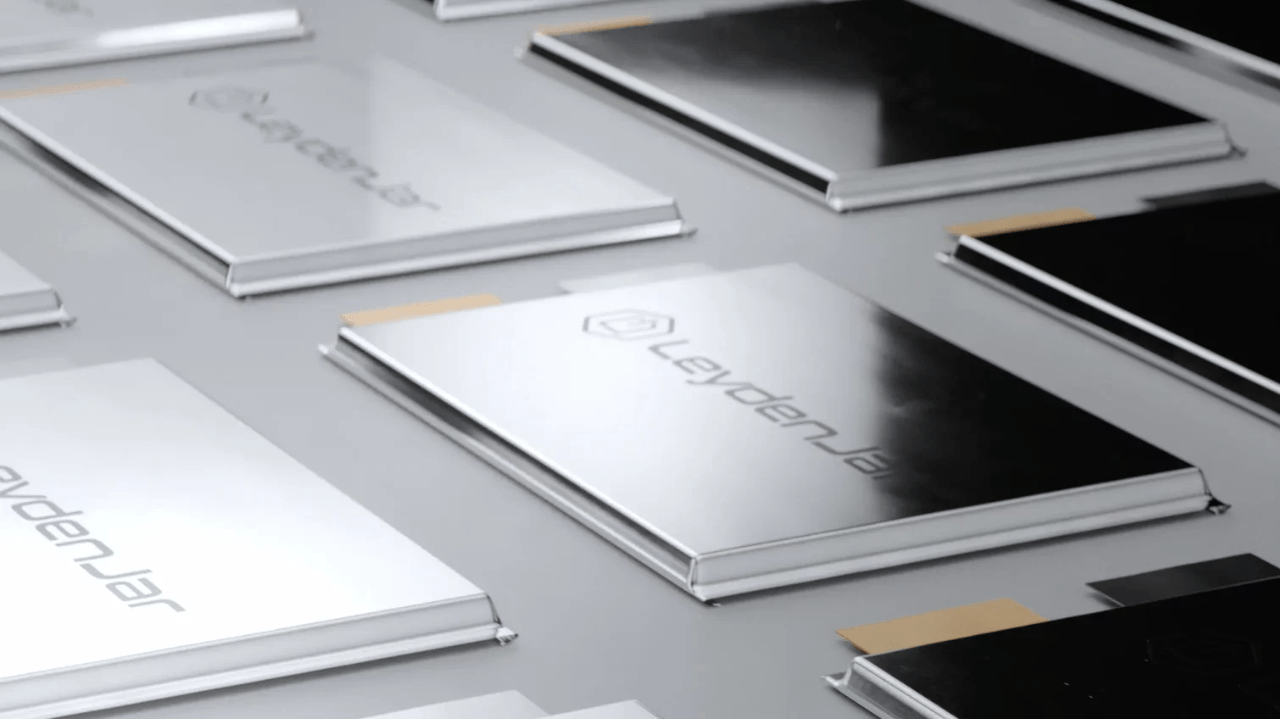
LeydenJar is a Dutch deeptech battery company spun out from Dutch research organisation TNO.
Headquartered in Leiden, with production operations in Eindhoven, the company develops 100 per cent pure silicon anodes for lithium-ion batteries. Its technology originated from a plasma-enhanced chemical vapour deposition (PECVD) process developed at Dutch research organisation ECN, which the founders recognised could be adapted to manufacture high-performance battery anodes.
Its core product, Silyte, replaces the graphite conventionally used in lithium-ion battery anodes with pure silicon. Silicon can store considerably more lithium than graphite, but its tendency to swell and break during charging has limited its use. LeydenJar tackles this by growing porous, flexible silicon columns directly onto copper foil using PECVD, creating a sponge-like structure that accommodates the swelling.
The company says its anodes offer 50 per cent higher energy density, are up to ten times thinner, and can cut the CO₂ footprint of anode production by 85 per cent, with applications spanning consumer electronics and electric mobility.
LeydenJar has raised over €100 million and is moving from R&D towards commercial-scale manufacturing, with its first commercial production facility scheduled to begin operations in early 2027, and will manufacture Silyte anode rolls.
Repartly (Germany)
Repartly is a circular-economy startup founded in 2021 that aims to make repairing household appliances cheaper and easier than replacing them.
Based in Rietberg, North Rhine-Westphalia, the company is a critical boost to Europe's right-to-repair movement, using refurbishment and repair infrastructure to tackle electrical waste. The company operates an online repair platform covering household appliances from washing machines and dryers to kitchen equipment, with the broader goal of extending appliance lifetimes and reducing electronic waste. Its platform combines online fault diagnosis, electronics repair, refurbished spare parts, repair instructions, and access to technicians.
Customers can remove a faulty electronic component and send it to Repartly, which repairs and returns it, or purchase a certified refurbished replacement. The company also sells refurbished mechanical parts and provides video instructions to help consumers carry out repairs themselves.
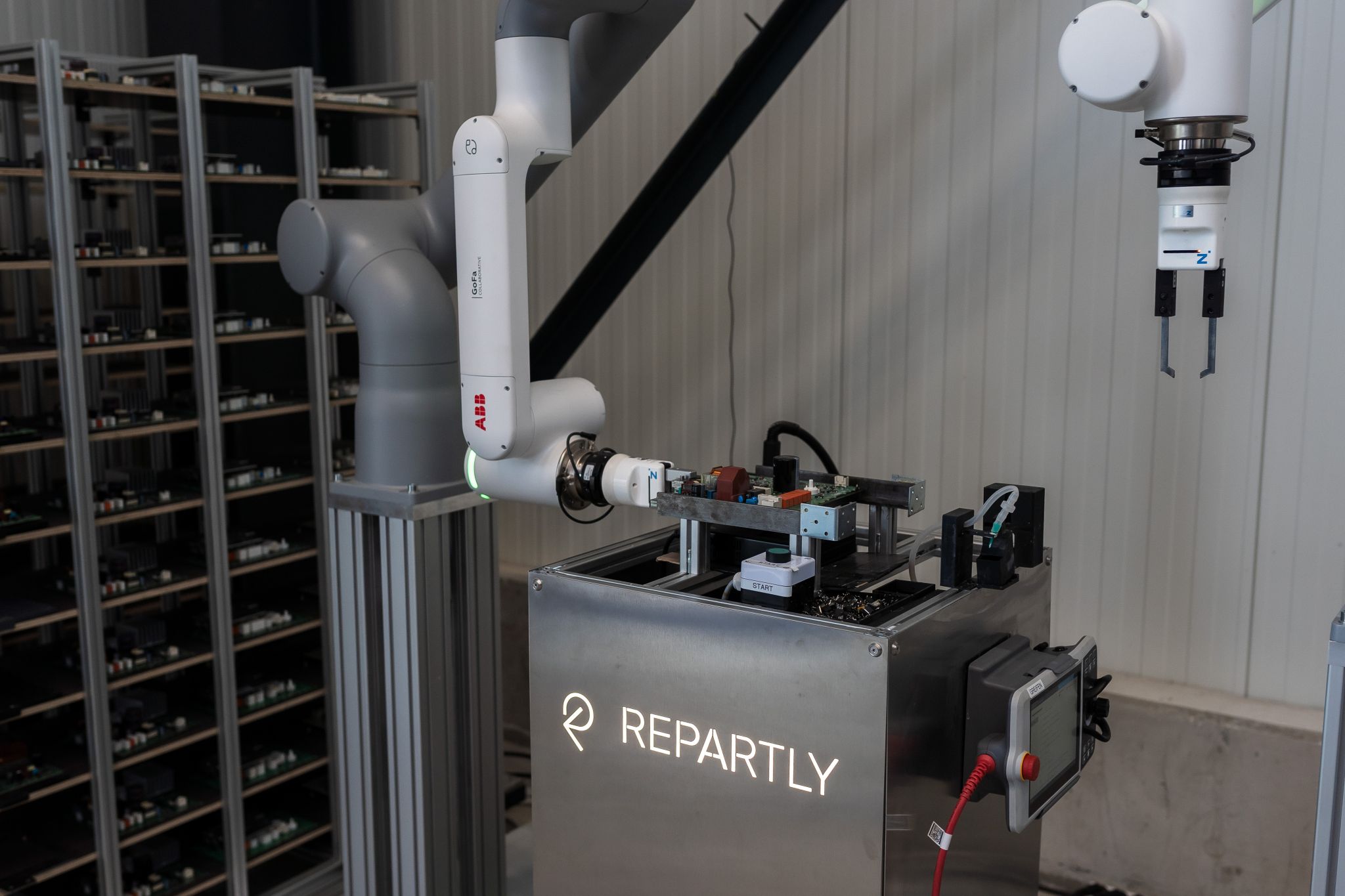
Repartly's model also targets manufacturers, retailers, service companies, and recyclers, creating a system in which used components can be refurbished and returned to circulation rather than discarded. The company has served over 11,000 customers, using automated processes and collaborative robots to accelerate repair turnaround.
Also worth a shout-out are two related German startups who were present at IFA. koorvi provides Resale-as-a-Service infrastructure for consumer brands, helping them manage buy-backs, refurbishment, returns, B-stock, and branded resale. Meanwhile, FixFirst provides digital repair infrastructure, using AI and workflow tools to help brands, repairers, and cities manage and scale repair services.
Unistellar (France)
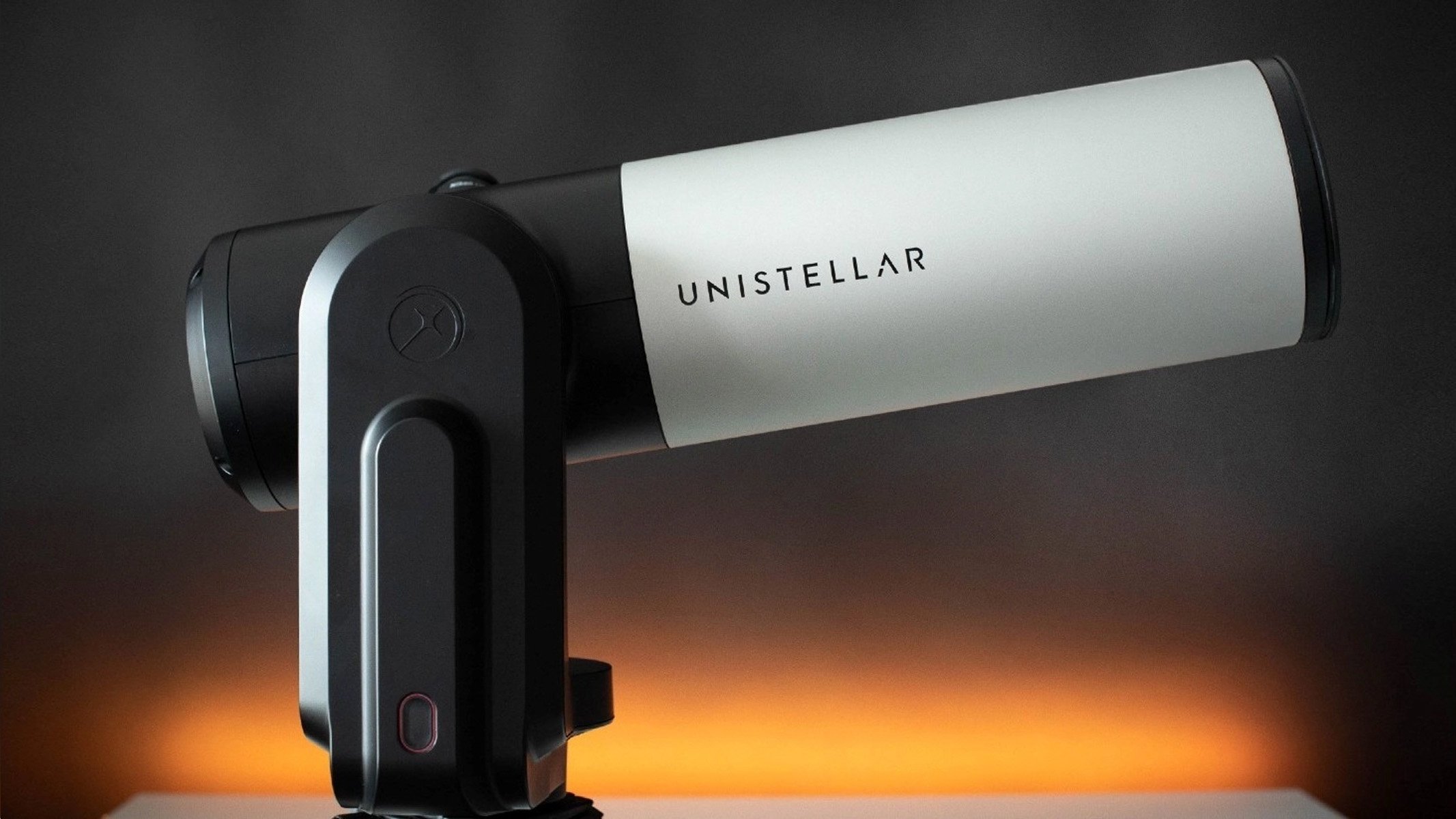
Unistellar is a French astronomy technology company developing smart telescopes designed to make observing deep-space objects accessible to non-professional astronomers. Its telescopes leverage a combination of optics, digital imaging, and automated software and can be used to can automatically locate and track celestial objects, while its image-processing technology amplifies incoming light in real time, allowing users to see galaxies, nebulae, and star clusters, including from light-polluted urban environments.
A corresponding app helps users select and automatically point towards astronomical objects. Unistellar also positions its technology as a platform for citizen science.
Through partnerships with NASA and the SETI Institute, telescope owners can contribute observations to research involving asteroids, exoplanets, comets, supernovae, and planetary defence.
Nikon became an investor in Unistellar in 2023 and has a joint development agreement with the company to combine Nikon's optical expertise with Unistellar's digital astronomy technology. The company has also expanded beyond telescopes with ENVISION, augmented-reality-powered smart binoculars.

