

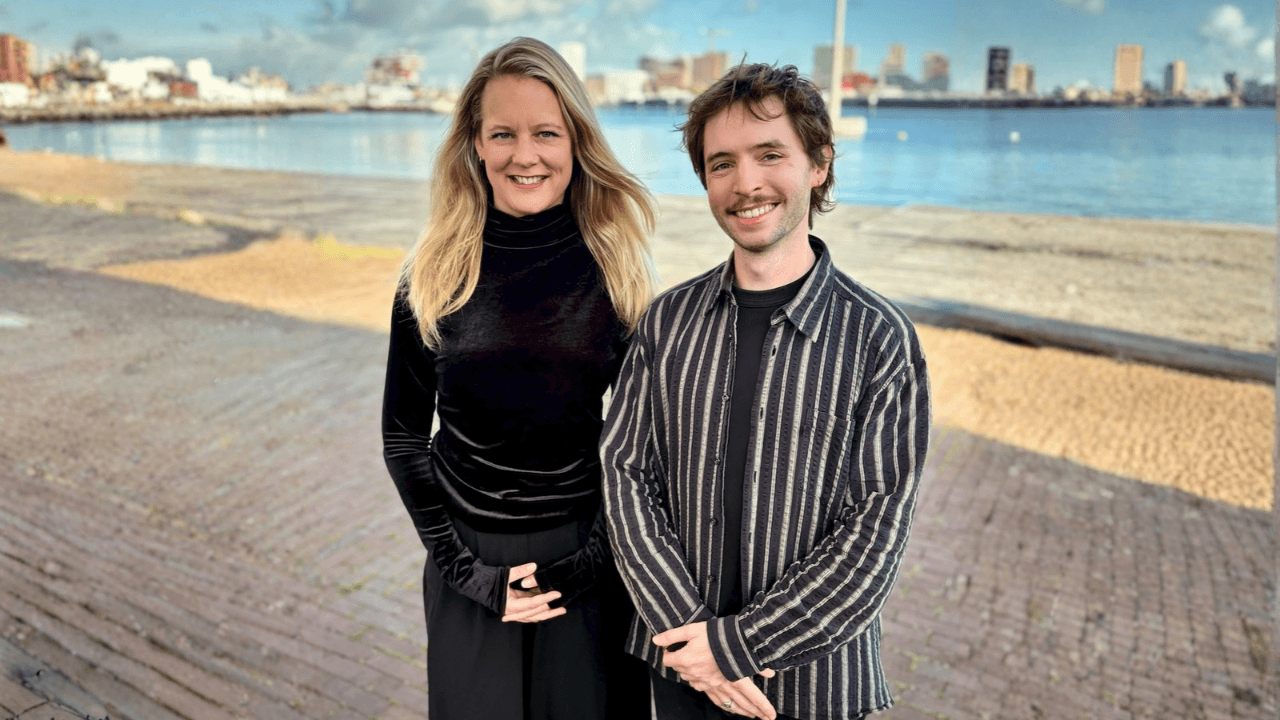
Foodtech app FLTRD has received more than half a million euros from an impact investor, 4impact capital, and a group of angel investors from the fast-moving consumer goods (FMCG) sector.
The app lets shoppers scan a product in the supermarket and instantly see whether it is an ultra-processed food (UPF), along with healthier alternatives. More than 70 per cent of products on supermarket shelves are ultra-processed.
A growing body of evidence on UPF’s
UPFs are designed to tempt, backed by clever marketing and often on special offer. In November 2025, an international team of researchers published a series in The Lancet linking the growing share of UPFs in diets worldwide to the rise in chronic disease.
Brussels has taken notice. In July, the European Commission asked its scientific advisers how the EU should define ultra-processed food. Their advice is expected in March 2027.
The Commission has also approached FLTRD co-founder Anke Kuik for her expertise.
“The fact that UPFs are now on the European agenda is an important step,” says Kuik. “It shows this isn’t a passing trend, but a problem that calls for a structural response.”
How does the PureScore work?
The PureScore rates products on three components that together determine the score:
Ingredients: the type and amount of added sugars, fats, salt and additives. Refined ingredients stripped of their nutrients also lower the score.
Processing techniques: processes such as heating, hydrogenation and extrusion that alter the natural structure of food. The more intensive the processing, the lower the score.
Organic certification: organic products score higher because they contain fewer pesticide residues. This structure reflects the three main ways UPFs are thought to affect health: loss of nutrients, the addition of harmful substances and a higher risk of overconsumption.
The FLTRD app now covers more than 150,000 products from seven supermarkets, all of which have a PureScore. This independent, science-based score rates a product’s degree of processing based on its ingredients and processing techniques, so people can easily make healthier choices.
In the Netherlands, more than 35,000 people already use the app on iPhone and Android.
The goal is for 100 million people to use the PureScore to guide their grocery shopping within five years.
“In France, one in three people already uses a similar app. That’s a clear sign people want more insight and guidance,” says Kuik.
“This investment allows us to bring in the people we need to accelerate.
We’re expanding to Belgium before the end of the year, and we’ll be licensing the PureScore to food producers and retailers. We believe everyone has the right to understand the impact of what they eat.”
A structural shift in the market
Victor Straatman, partner at 4impact capital, shared:
“The European debate on ultra-processed food signals a structural shift in the market. As the European Commission explores which policy frameworks are needed, transparency is becoming a commercial priority for the food sector.
Our investment is directly tied to that shift. FLTRD has the data and the methodology to objectively measure a product’s degree of processing, at exactly the moment verifiable product information is becoming a firm market requirement.”
Alongside 4impact, several angel investors from the FMCG industry have participated in the round. One of them is Jeroen Lubbers, who now invests in healthy food initiatives after many years in the sector.
“Consumers have the right to see at a glance what’s really in a product and what healthier alternatives are available.
Clear information is essential, especially for people with food intolerances. Food producers also need a quick, objective way to assess their products and identify opportunities for improvement. FLTRD makes that information accessible and easy to use for consumers and producers alike.”


Would you like to write the first comment?
Login to post comments