

The investor who led Anthropic's first major funding round is backing a startup that builds AI tools to help developers mathematically verify how software behaves, amid AI’s growing use in detecting software flaws.
Sequent has secured $2.2m in pre-seed funding, in a round co-led by crypto and blockchain investor Frachtis and Metaplanet, the investment firm of Skype co-founder Jaan Tallinn, who led Anthropic’s 2021 $124m Series A funding round.
Sequent is looking to use AI to tackle the problem of bugs in coding, which costs companies billions of dollars every year. For example, earlier this year researchers used AI to uncover critical bugs in PHP, a commonly used computer programming language which powers much of the internet.
Sequent’s AI tool, Alan, reads code, helping developers write precise rules for how the software should behave and produces machine-checkable proofs that the code follows those rules.
The startup is initially focusing on blockchain smart contracts.
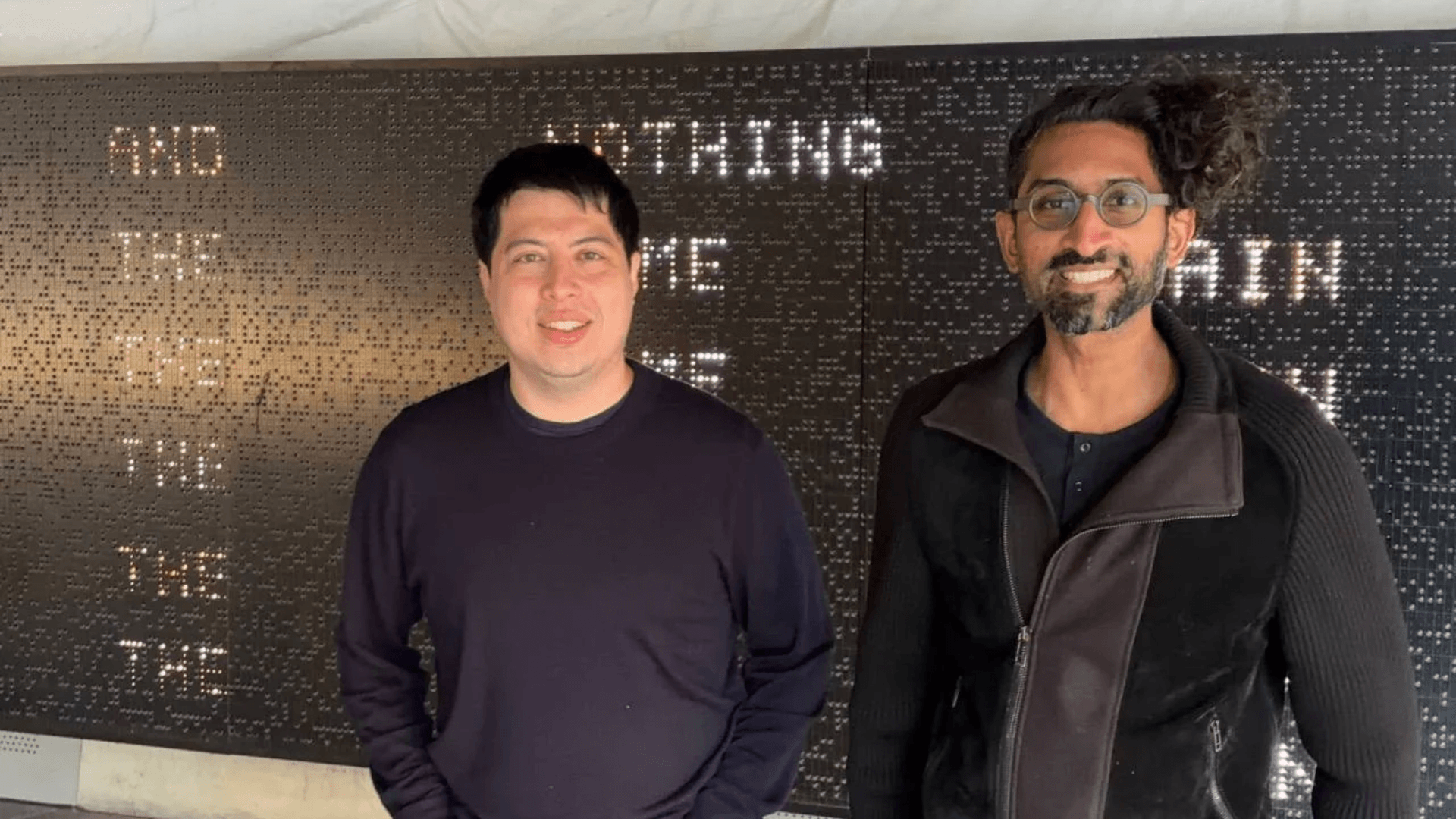
Sequent began with a costly mistake. Its chief executive, Charles Cooper, is a core developer of Vyper, one of the two main programming languages for Ethereum. In 2021, he inadvertently introduced a flaw into Vyper’s compiler, the tool that turns code into instructions a blockchain runs. It was fixed within months, but programmes already running could not be updated retrospectively.
In 2023, attackers used the bug to take user funds from older pools at Curve, a decentralised exchange where users pool digital assets for others to trade against, and at other projects.
After the incident, Ramana Kumar, a former Google DeepMind AI safety researcher who is now Sequent’s chief technology officer, offered to help prove the compiler correct. Curve is now Sequent’s first paying customer.
The funding will take Alan from early access to full launch, pay for engineering, sales and marketing hires, and cover AI computing costs, the startup said.
Cooper says: "Smart contracts taught us that anything that can be exploited will be. Banks, governments and companies running older systems have relied on keeping their code private, but AI-powered cyber attacks are eroding that protection. It is also making mathematical proof economical, and that puts the advantage back with defenders."


Would you like to write the first comment?
Login to post comments