In schools, digital learning has become part of everyday life. Students turn to apps for homework help, explanations, and practice. At the same time, maths and STEM get special attention, with playful games, interactive tools, and even smart toys helping younger learners build confidence and skills.
For adults, learning is increasingly tied to work and career shifts. Intensive coding and tech programmes help people move into software, data, and AI roles, while companies invest in platforms that train and upskill their employees continuously.
Across all of this, AI runs through the ecosystem as a common layer: shaping content, adapting difficulty, giving feedback, and personalising the learning path. And while many solutions are born in specific countries or regions, they increasingly think and operate at a European scale, expanding across borders, but still tuned to local languages, school systems, and regulations.
The following are the ten largest funding rounds in the European edtech industry during the first half of 2025.
AMBOSS (Germany)
Amount raised in H1 2025: €240M
AMBOSS is a digital medical-education and reference platform created by physicians to support medical students, residents, and clinicians worldwide.
It provides a comprehensive Knowledge Library, a high-yield Qbank for exam preparation (including USMLE, COMLEX, Shelf exams), a rich set of clinical-decision tools (like drug databases, differential diagnosis support, management checklists), and integrations for study tools and mobile access.
Founded in 2012, AMBOSS has a mission to “empower all medical professionals to provide the best possible care” by distilling medical knowledge into a single accessible, evidence-based platform.
In March, AMBOSS secured €240 million to strengthen medical knowledge and support healthcare professionals.
Knowunity (Germany)
Amount raised in H1 2025: €27M
Knowunity is an AI-powered learning platform, originally founded in 2020 in Germany, with the mission to revolutionise education globally by making personalised learning accessible to all students.
It combines a vast library of user-generated study materials, such as summaries, notes, flashcards and quizzes, with an AI “study companion” that delivers individualised tutoring, tailored study plans, interactive quizzes, and homework help across many subjects.
Knowunity serves tens of millions of students across multiple countries, helping them study more efficiently, prepare for exams, and access peer-generated learning resources whenever and wherever they need them.
In June, Knowunity raised €27 million to scale its personalised AI tutor globally.
Attensi (Norway)
Amount raised in H1 2025: $25M
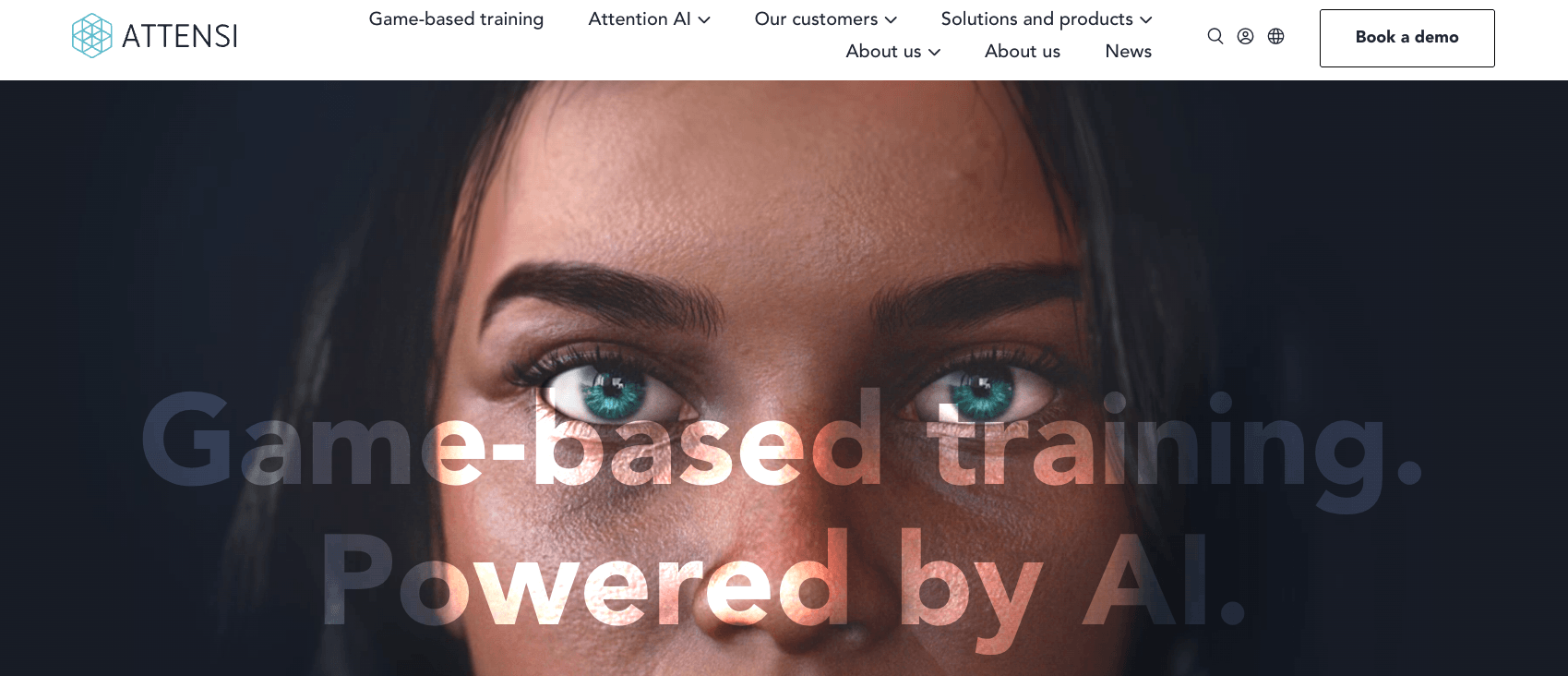
Attensi is a Norwegian company that delivers AI-powered, gamified simulation training and corporate learning solutions.
The platform uses immersive 3D simulations, realistic role-play scenarios with virtual humans, and behavioural-science-backed gamification to help organisations worldwide train employees in skills like onboarding, sales, leadership, compliance, and customer service, often achieving higher engagement, faster learning, and stronger retention than traditional training.
Attensi serves clients across diverse industries and operates globally, with content available in dozens of languages and deployments in 150+ countries.
Attensi secured over $25 million in growth funding in May for gamified training solutions.
Doinstruct (Germany)
Amount raised in H1 2025: €16.5M
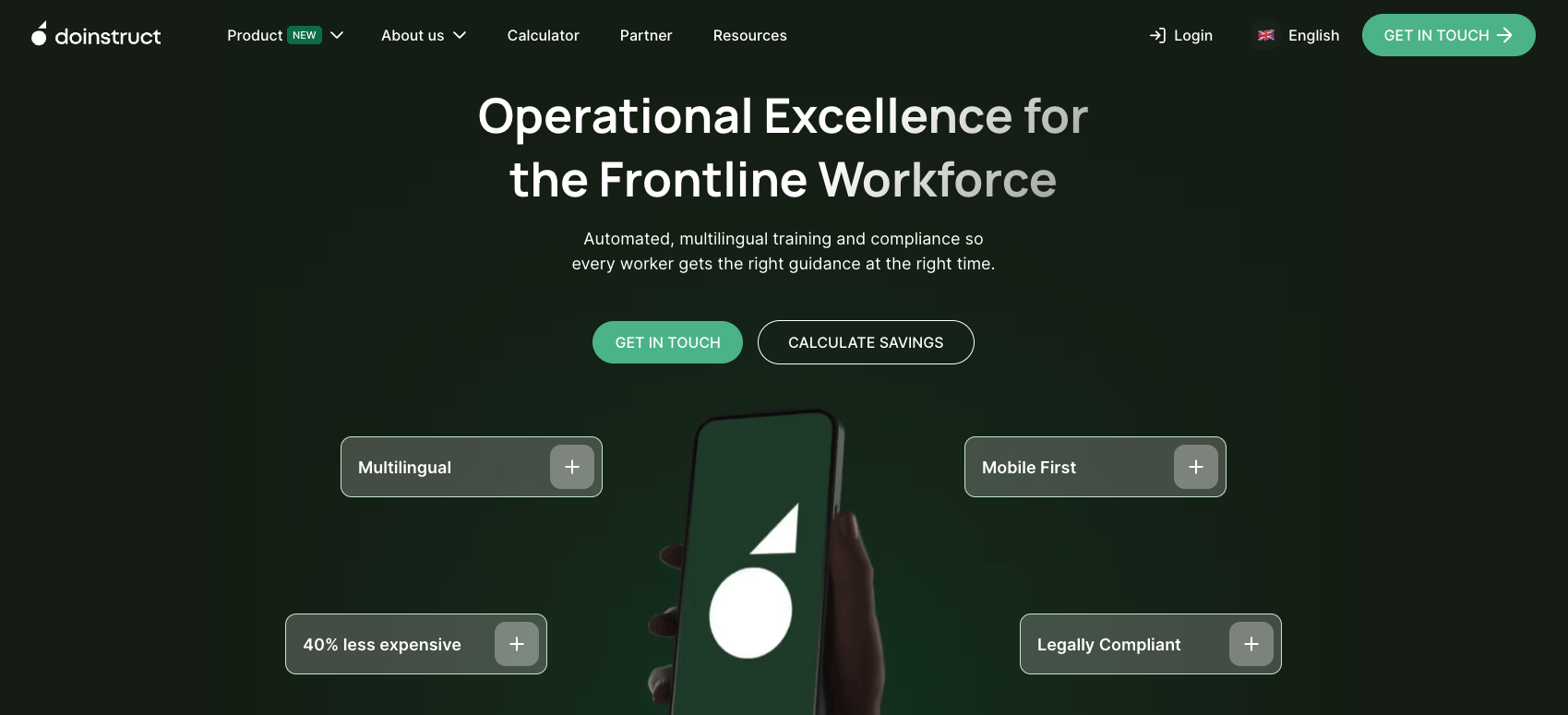
doinstruct is a German company that builds a mobile-first, multilingual training and compliance platform for frontline workers across industries.
It enables businesses to deliver onboarding, training and compliance content (e.g. safety, hygiene, standard operating procedures) to employees on any device. Trainings can be automatically assigned and tracked, and companies can even upload their own content or use doinstruct’s existing library, all while staying GDPR-compliant and using secure hosting.
In March, doinstruct secured €16.5 million to help companies navigate growing regulatory complexity.
Didask (France)
Amount raised in H1 2025: €10M
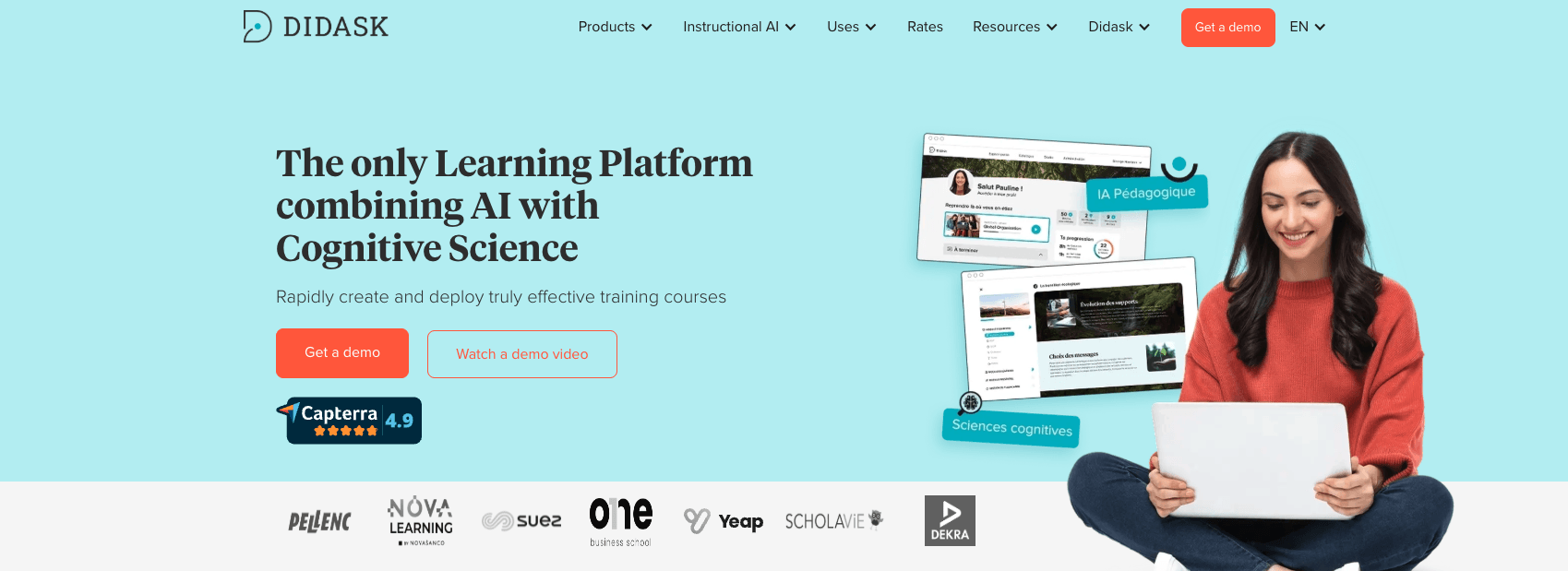
Didask is a SaaS e-learning company that aims to revolutionise corporate and organisational training by combining artificial intelligence with insights from cognitive science.
Their platform lets any subject-matter expert, regardless of pedagogical background, quickly convert raw content (slides, PDFs, text) into engaging, effective training modules.
Using their proprietary “Instructional AI,” Didask automates course design (sequencing, layout, quizzes, simulations, micro-learning, etc.) and tailors learning paths to individual learners, supporting onboarding, upskilling, soft skills education, compliance, product knowledge, and more.
In May, Didask secured €10 million to scale its AI- and cognitive science-driven e-learning platform, with plans to accelerate international expansion and launch a new tool focused on informal workplace learning.
ubiMaster (Germany)
Amount raised in H1 2025: €7M
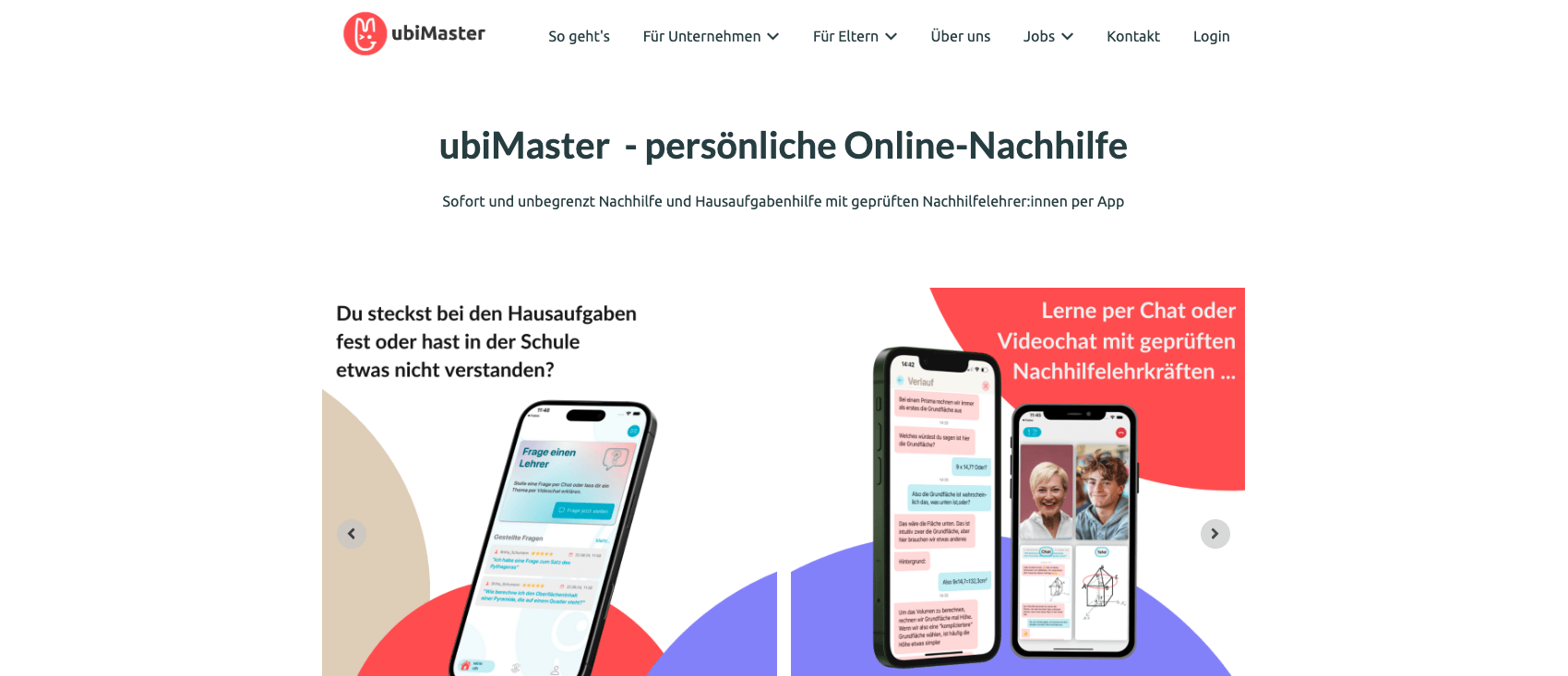
ubiMaster is a German company that offers on-demand, unlimited online tutoring and learning support to students via chat or video.
Through its mobile app, students (from grade 5 onwards, including vocational and secondary school students) can get help in core subjects such as mathematics, physics, chemistry, German, English, and more, anytime they need it, without needing to schedule or travel.
ubiMaster partners with employers, banks, and other institutions to offer its tutoring services as an employee benefit, helping families balance work, school, and learning while expanding access to education through institutional support.
In April, ubiMaster raised €7 million to expand its presence in Germany and to support international growth and the development of additional educational products.
Bethink (Poland)
Amount raised in H1 2025: €5.9M
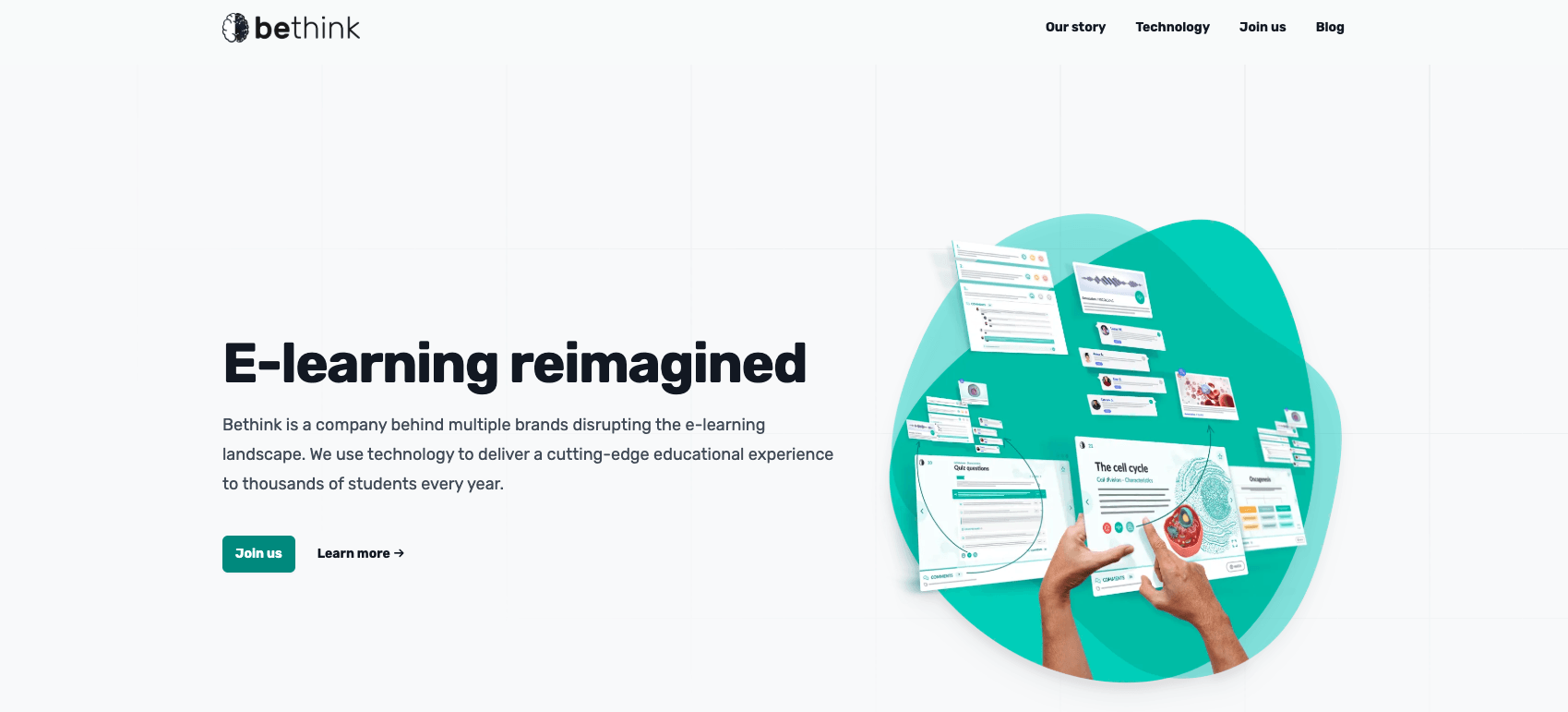
Bethink Group is a Poland-based e-learning company that operates multiple brands reshaping how students learn, especially in medicine, med-prep and effective learning.
Using its own custom technology and evidence-based teaching methods, Bethink delivers cutting-edge online courses and learning experiences to tens of thousands of learners each year, with a strong presence in the medical education market.
Bethink secured €5.9 million in February to expand e-learning platforms and prepare for global growth.

Alice.tech (Denmark)
Amount raised in H1 2025: €4.2M
Alice.tech is a Copenhagen-based EdTech startup that offers an AI-powered study platform designed to help students learn faster, retain knowledge better, and prepare more effectively for exams.
By uploading their course materials (e.g. lecture slides, PDFs, textbooks), students get automatically generated notes, structured summaries, flashcards, quizzes, exam-style practice, and adaptive study paths tailored to their individual learning needs.
Alice.tech also supports collaboration through study groups and offers educators tools to integrate AI-powered learning and track student progress, while preserving control over course materials and maintaining academic integrity.
In May, Alice.tech secured €4.2 million to redefine how students learn and succeed – at scale.
HowNow (UK)
Amount raised in H1 2025: £3.5M
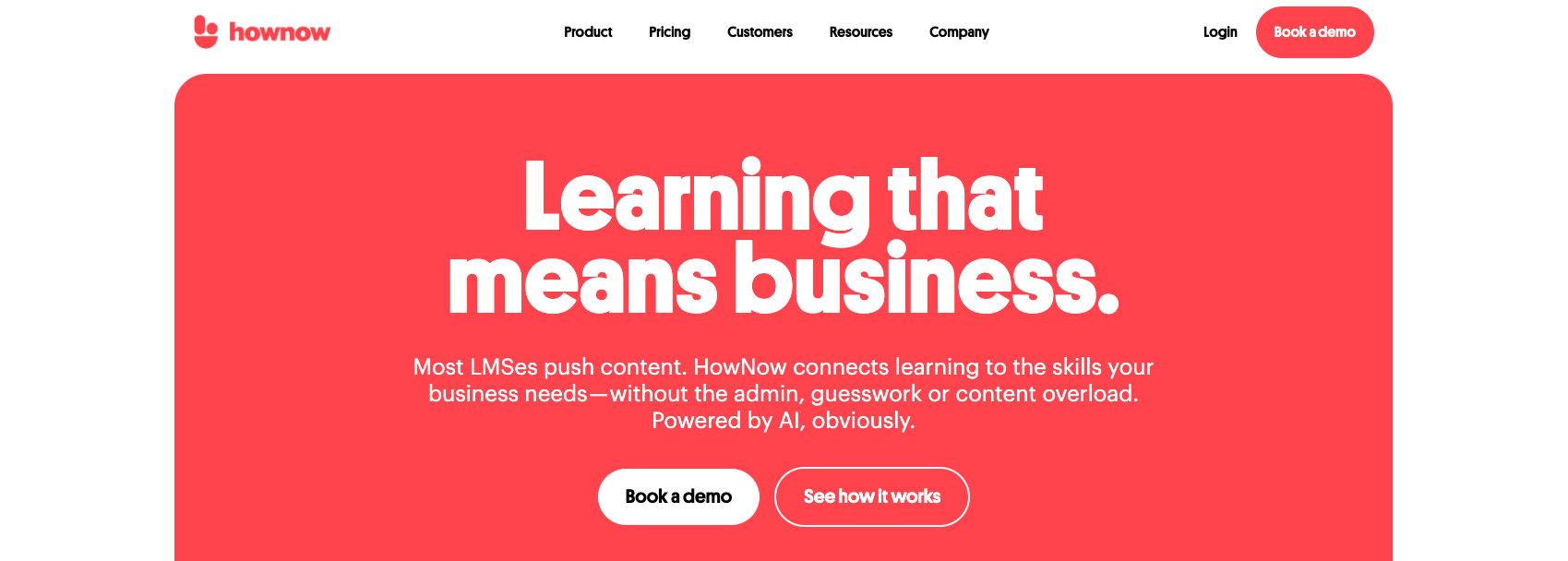
HowNow is a London-based edtech company that offers an AI-powered learning and upskilling platform designed to help organisations train, develop, and support their teams efficiently.
Their platform acts as both a Learning Experience Platform (LXP) and a Learning Management System (LMS): it allows companies to create, curate, deliver, and track learning content, from onboarding and compliance training to upskilling and continuous development.
With built-in content libraries, AI-driven skills mapping, and integrations into everyday business tools (Slack, MS Teams, etc.), HowNow ensures learning is accessible “in the flow of work,” helping employees acquire skills where and when they need them.
In February, HowNow raised £3.5 million to accelerate product development and further integrate AI.
BRUM (Italy)
Amount raised in H1 2025: €3.5M
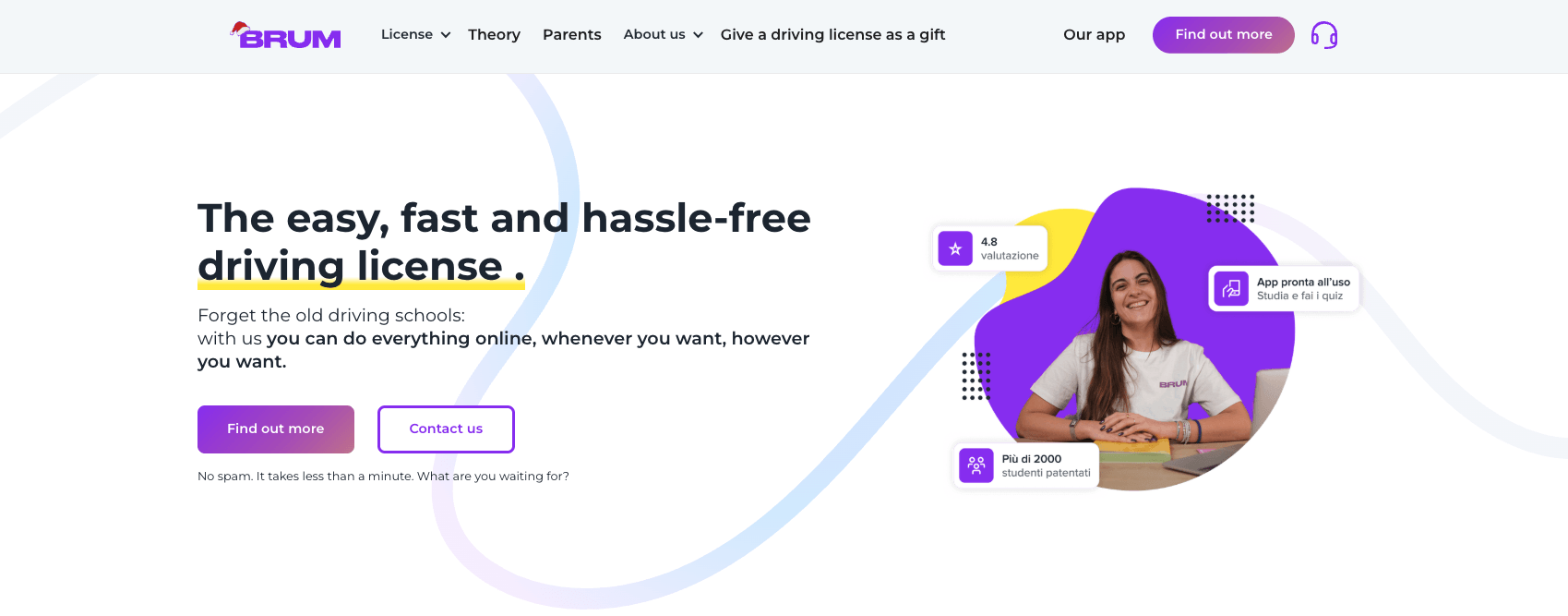
BRUM Patenti is an Italian digital driving school that modernises the licensing process by offering a fully online, flexible alternative to traditional driving schools.
Through its app, users can register, access official theory materials, complete ministerial-quiz practice, book driving lessons, upload required documents, and track progress, all from home.
BRUM takes care of the bureaucracy (medical visit, paperwork, exam registration) and lets learners choose when and where to study and take lessons, making the path to a driving licence more convenient and transparent.
Brum raised €3.5 million in March to expand its service to new cities, enhance its technology, scale its operations, and strengthen its network of qualified instructors.


Would you like to write the first comment?
Login to post comments