

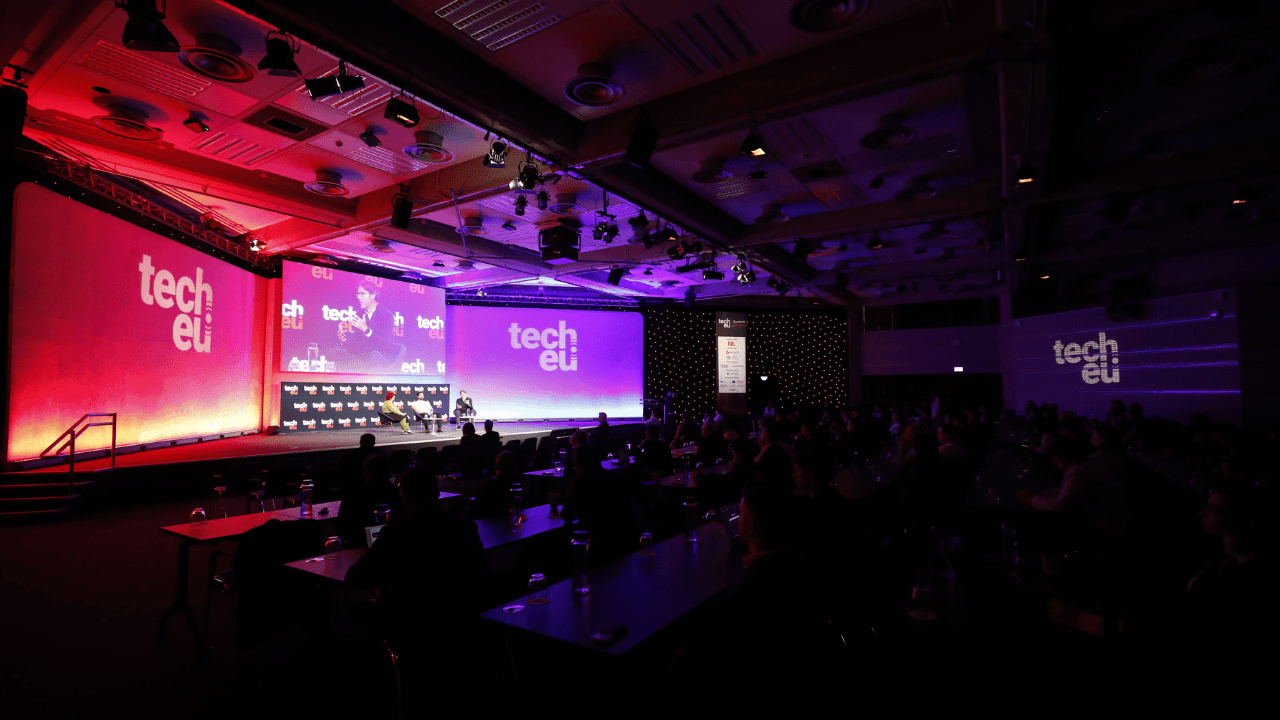
The Tech.eu Summit London 2026 kicked off on April 21 at the Queen Elizabeth II Centre, bringing together founders, investors, and operators from across Europe. This year’s agenda is heavily shaped by artificial intelligence, alongside fintech, deeptech and climate tech, with a clear focus on execution and real-world impact.
Here’s what happened on day one:
Opening remarks: Arda Kutsal & Helen Walsh
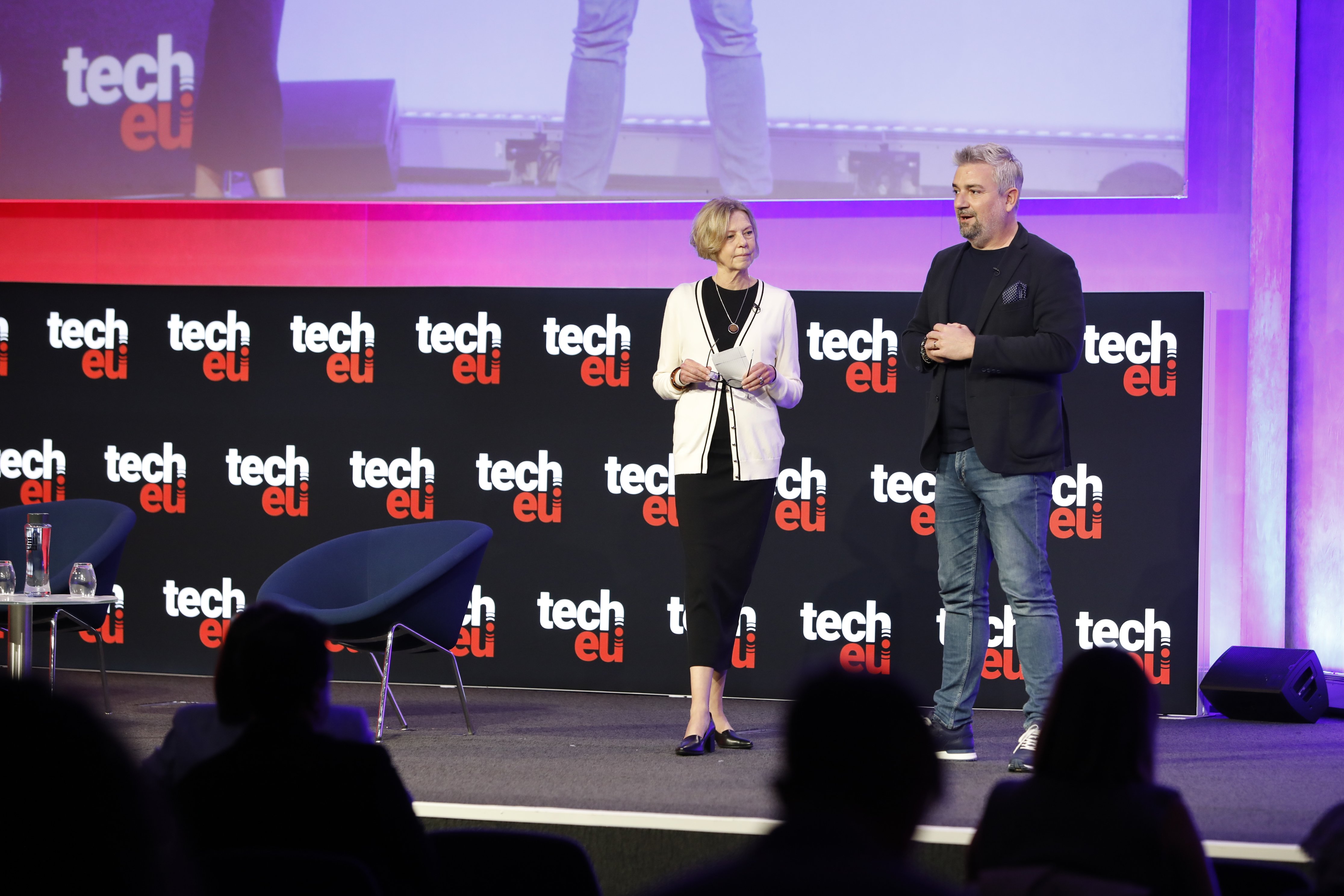
The event opened with remarks from Arda Kutsal and Helen Walsh, setting the tone for the day and welcoming attendees to the Tech.eu Summit London 2026. They highlighted the focus areas of this year’s event, pointing to a programme shaped around artificial intelligence, alongside fintech, deeptech and climate tech, and a strong emphasis on real-world applications and execution.
The AI Platform Shift: Where Value Will (Actually) Be Created
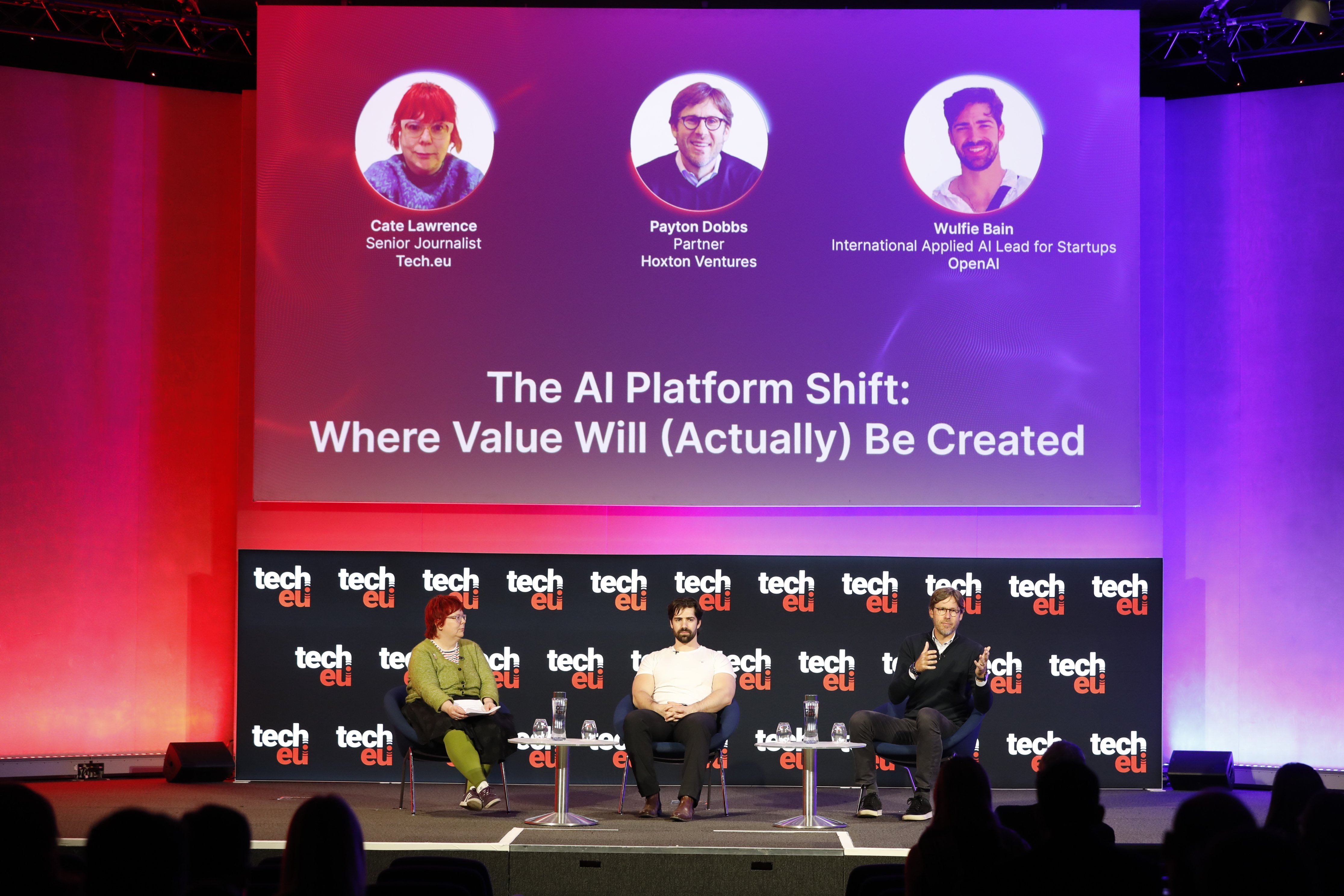
Cate Lawrence (Tech.eu), Payton Dobbs (Hoxton Ventures), and Wulfie Bain (OpenAI) discussed where value is actually accruing in the AI stack, focusing on how the balance is shifting from foundation models toward application layers and distribution.
The opening fireside chat set the tone for the rest of the agenda, focusing on where value is actually accruing in the AI stack.
As AI moves from hype to commercial reality, the discussion highlighted a shift away from foundation models toward the application layer, distribution, and execution. The gap between technical capability and real-world deployment emerged as one of the defining challenges for the industry.
British Dynamism: UK AI Companies Solving Problems That Matter
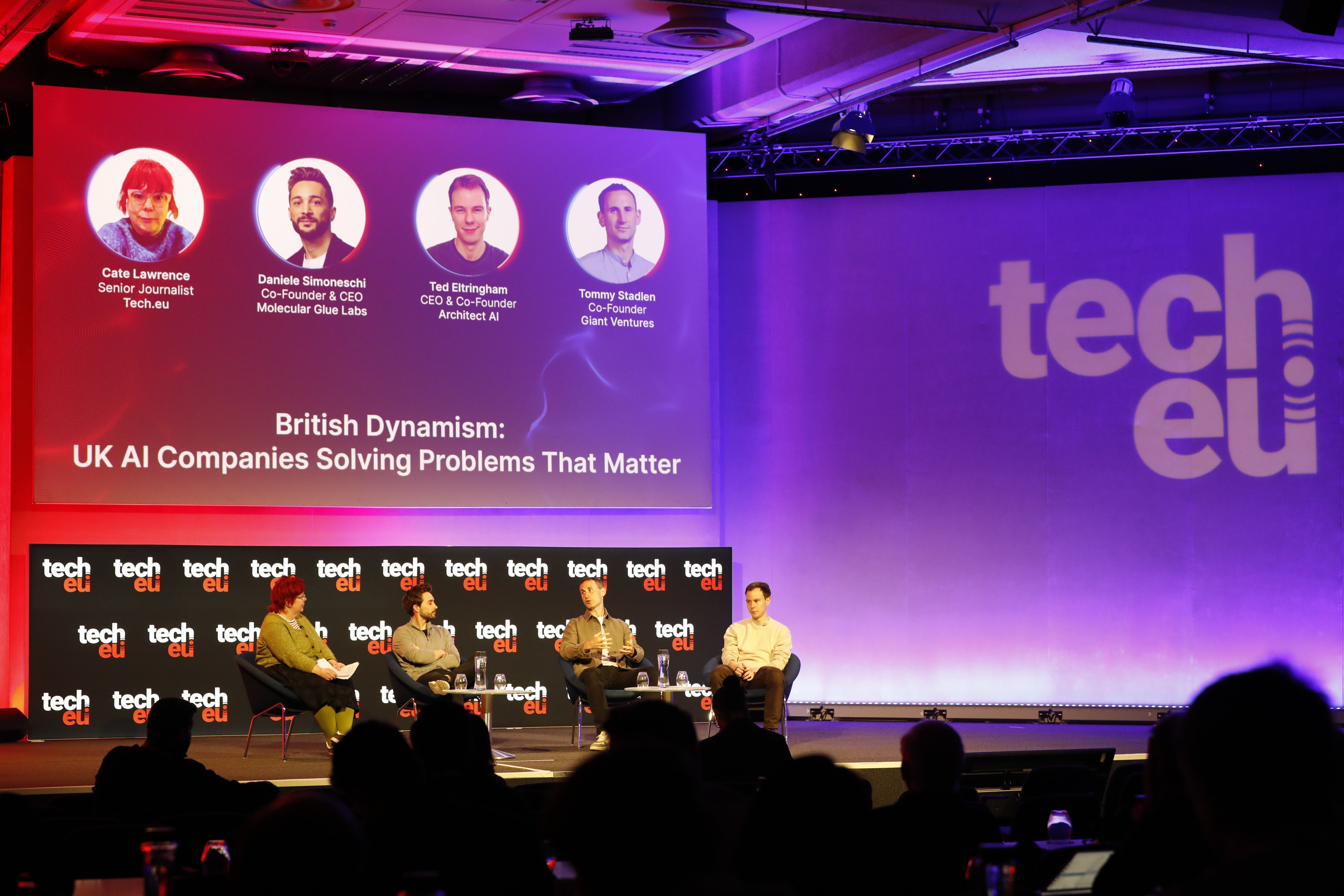
Cate Lawrence (Tech.eu), Daniele Simoneschi (Molecular Glue Labs), Ted Eltringham (Architect AI) and Tommy Stadlen (Giant Ventures) highlighted how a new generation of UK-based AI startups is focusing on solving concrete, high-impact problems across industries.
The next panel zoomed in on the UK ecosystem, highlighting a new wave of AI startups focused on solving concrete, high-impact problems.
Rather than building general-purpose tools, founders are increasingly leaning into domain expertise - a trend that positions the UK, and Europe more broadly, as strong players in specialised AI applications.
Accelerating the Inevitable: Scaling Industrial Mobile Autonomy
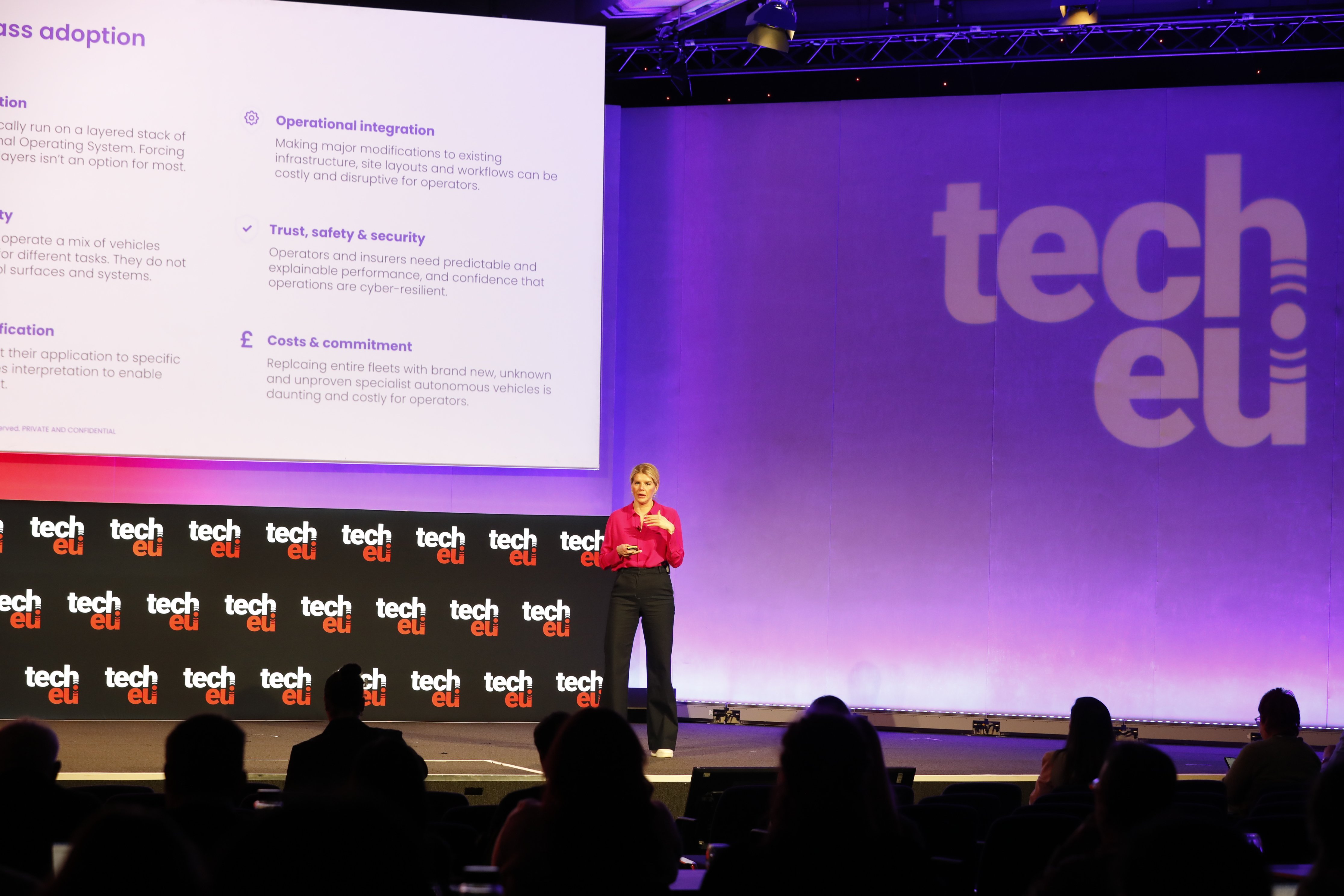
Rebecca Marsden (Oxa) brought the conversation into the physical world, focusing on industrial autonomy.
Her talk underscored that AI is no longer confined to software environments. As it moves into real-world systems, scaling becomes a question of infrastructure, partnerships, and operational reliability - not just model performance.
AI Beyond Software: Building Real-World Companies in the Age of Intelligence
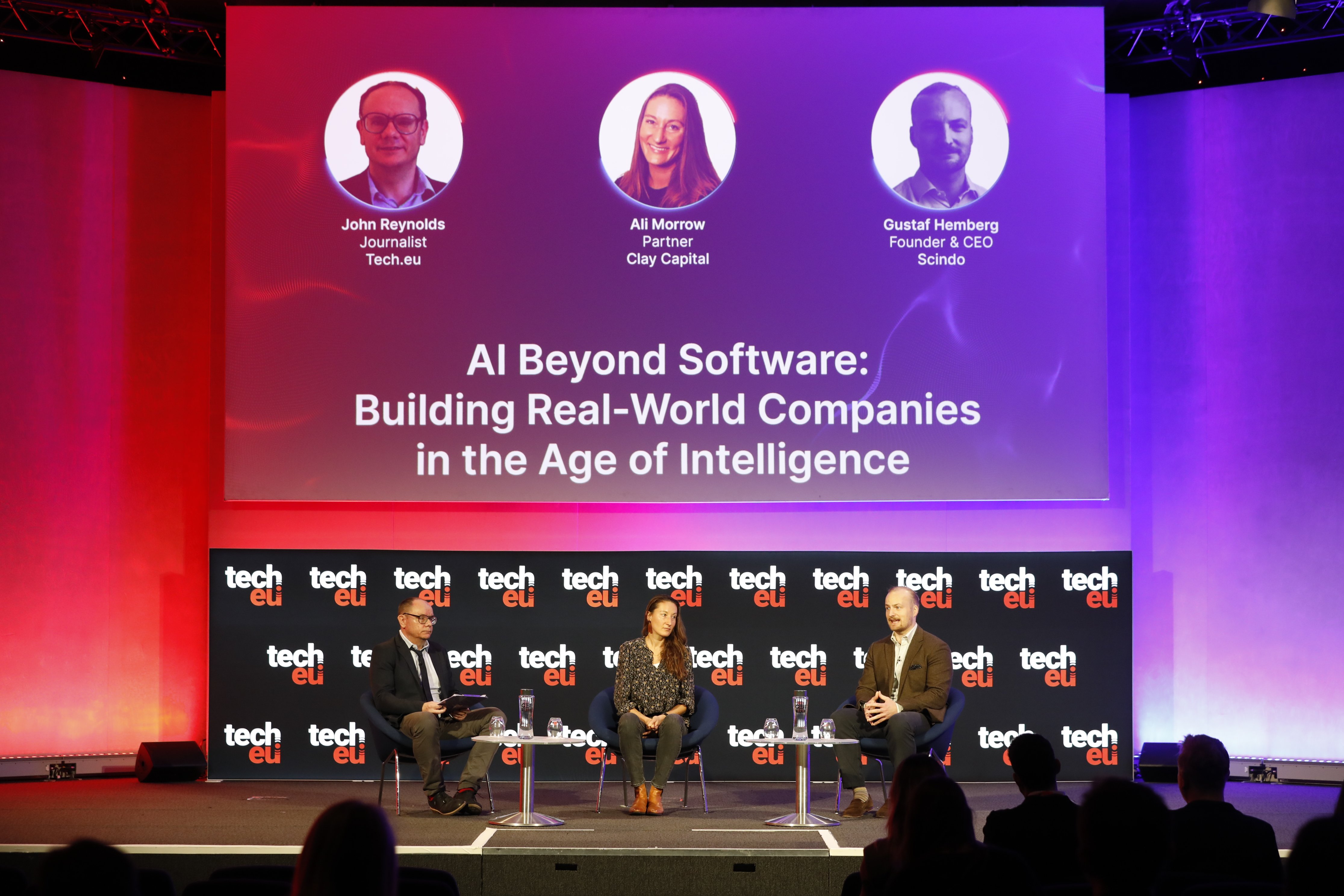
Ali Morrow (Clay Capital), Gustaf Hemberg (Scindo), and John Reynolds (Tech.eu) explored how companies can build defensible AI-driven businesses as the technology becomes increasingly commoditised.
After the break, discussions shifted toward defensibility and execution.
Speakers argued that “having AI” is no longer a moat. As capabilities become commoditised, competitive advantage is increasingly defined by data, distribution, and the ability to execute in real-world environments - especially in sectors like supply chains, production, and biology.
He Said, She Said: In the Age of AI, Context Wins
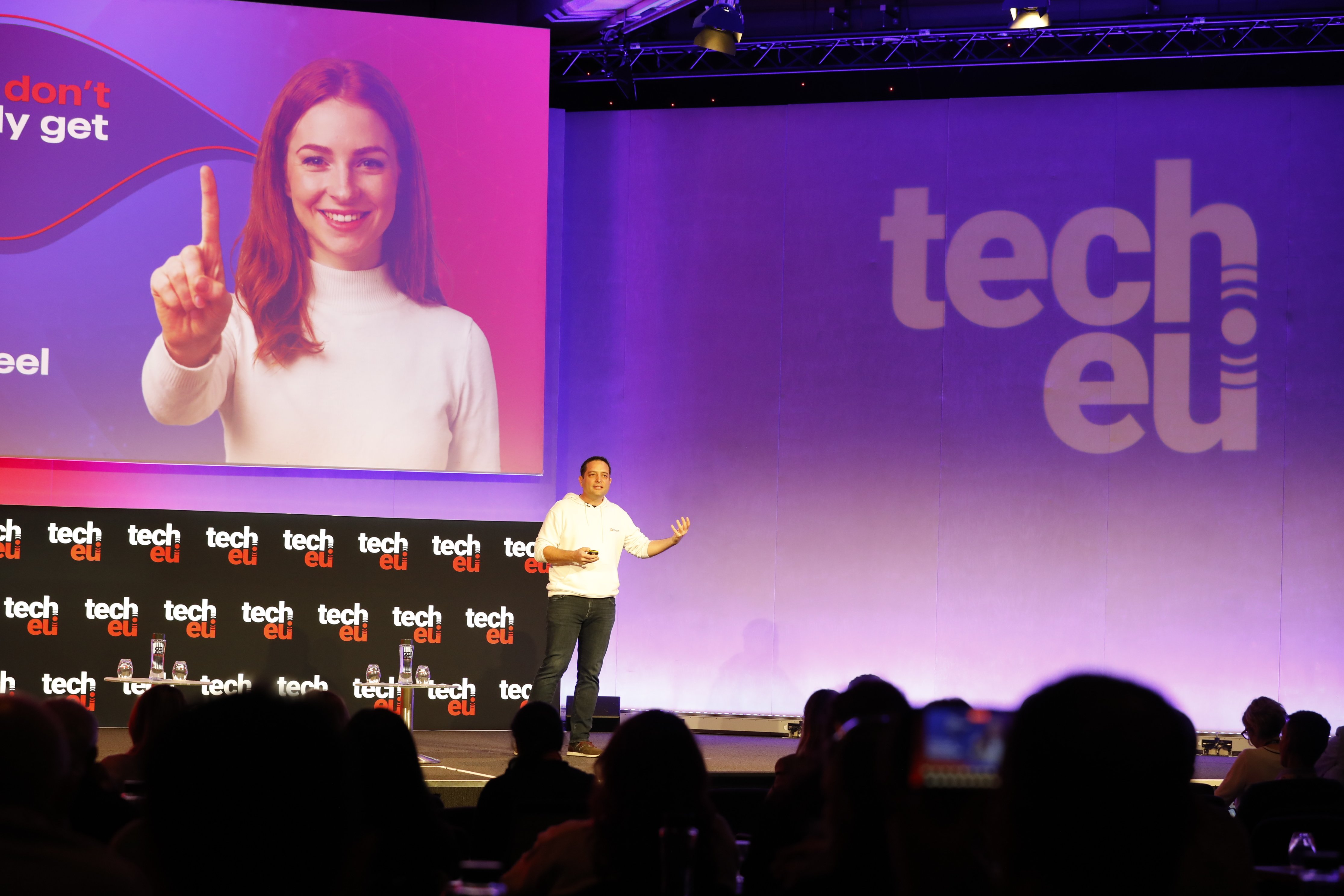
Doruk Mutlu (Evam) discussed how context is emerging as a key differentiator in AI systems.
This shorter session focused on how context is becoming a key differentiator in AI systems. Rather than raw model power, the ability to interpret, structure, and apply context is emerging as a critical layer for building useful and reliable AI products.
AI Is Rewriting Enterprise Software
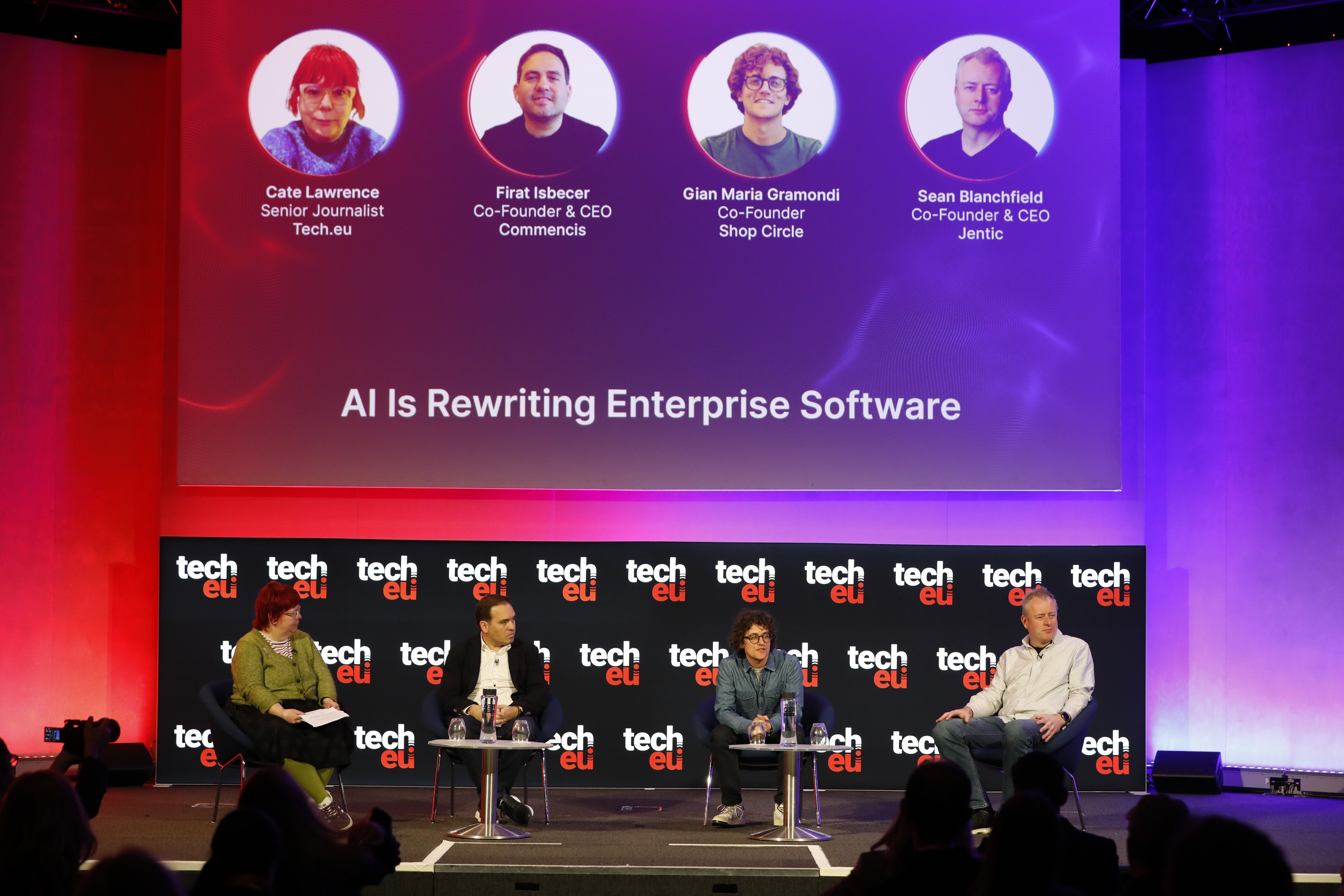
Cate Lawrence (Tech.eu), Firat Isbecer (Commencis), Gian Maria Gramondi (Shop Circle) and Sean Blanchfield (Jentic) examined how AI is transforming enterprise software and reshaping existing workflows.
Enterprise software was another major theme of the day. Speakers highlighted that companies can no longer simply layer AI on top of existing workflows. Instead, AI is forcing a deeper rethinking of how enterprise systems are built - with compliance, integration, and reliability becoming central to long-term success.
Why Now Is the Time to Build in Europe
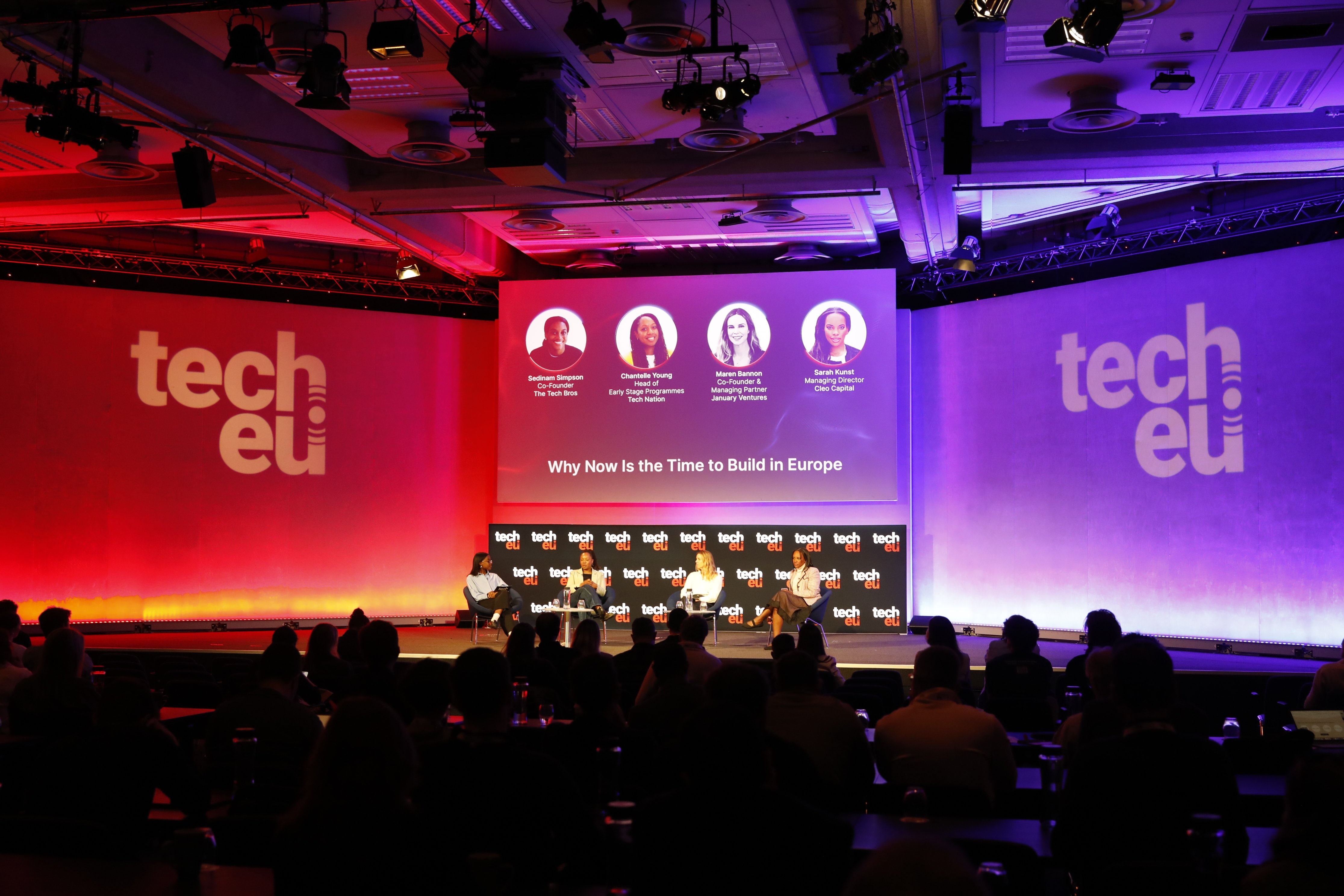
Chantelle Young (Tech Nation), Maren Bannon (January Ventures), Sarah Kunst (Cleo Capital) and Sedinam Simpson (The Tech Bros) discussed why Europe is becoming an increasingly attractive region for building technology companies.
The conversation then turned to Europe’s positioning. Panelists pointed to a combination of talent, capital, and regulatory developments that are making Europe increasingly attractive for founders. There was also a growing narrative around operators returning from the US to build in Europe.
AI & SaaS: How Deep Is Your Moat?
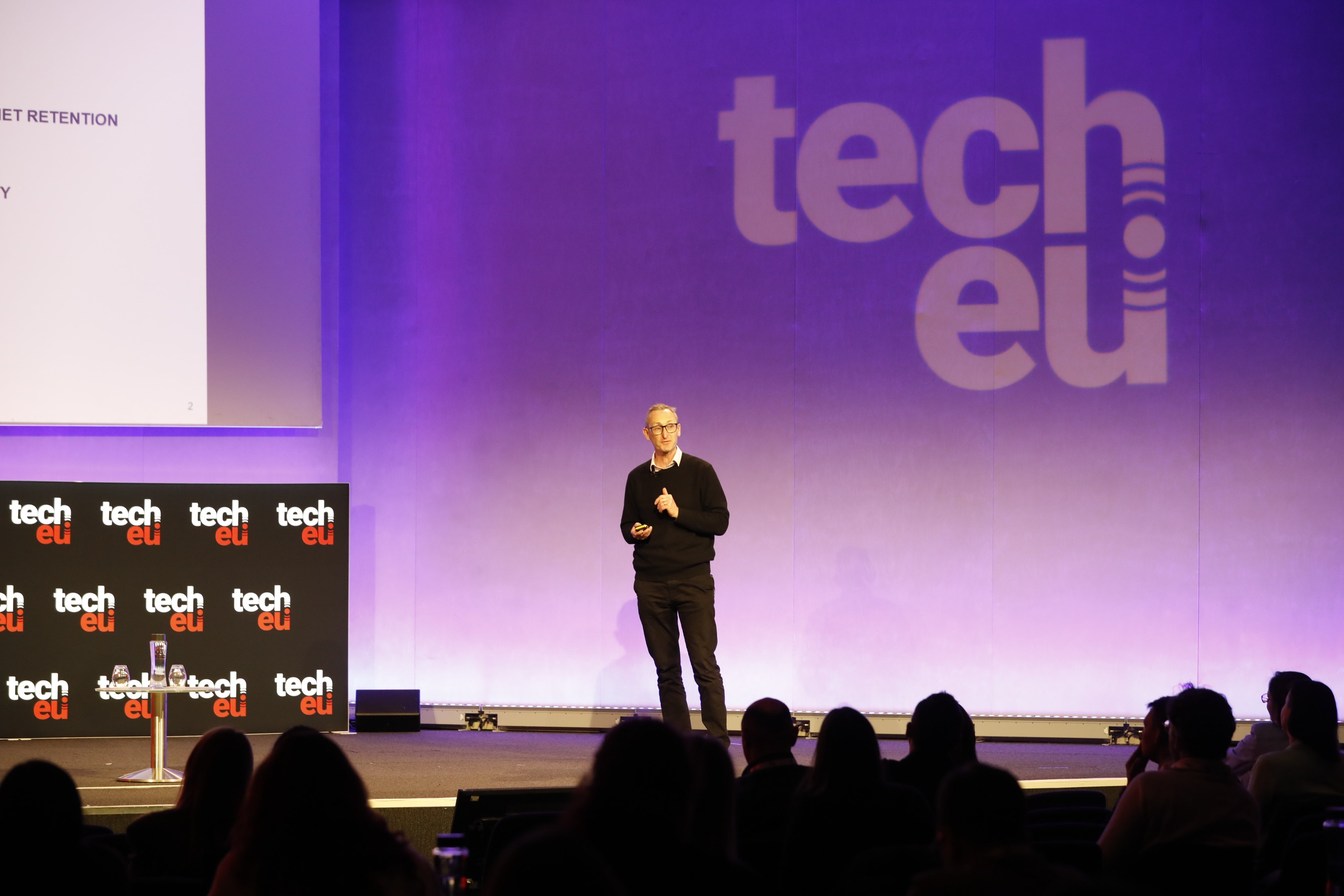
Sean Duffy (CIBC Innovation Banking) explored how defensibility is evolving in the AI-driven SaaS landscape.
This session tackled one of the most pressing questions in the AI era: defensibility. As access to models becomes standardised, traditional SaaS advantages are eroding. Speakers emphasised that sustainable differentiation is shifting toward proprietary data, embedded workflows, and strong distribution channels.
How Early-Stage AI Startups Can Win Against the Giants
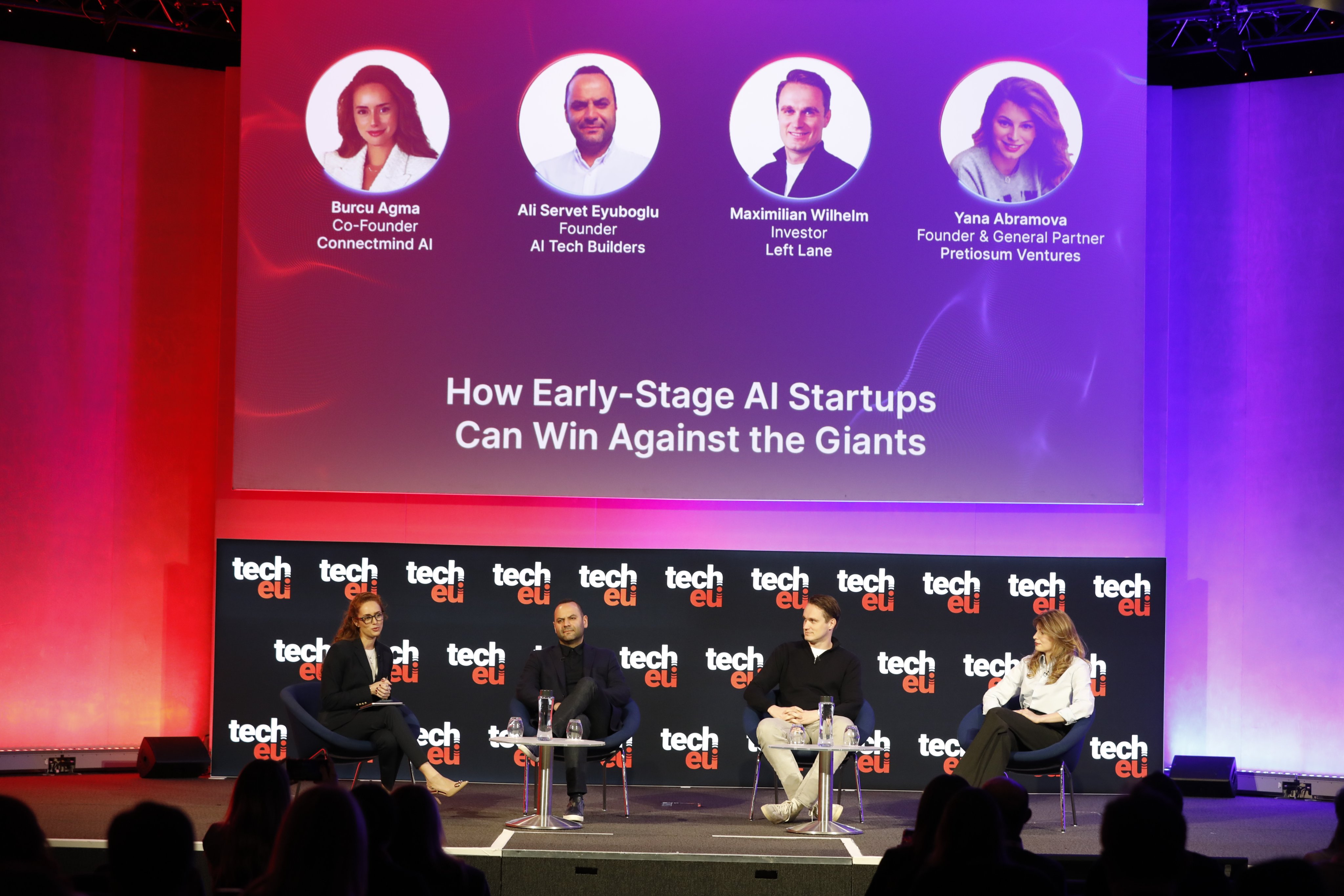
Ali Servet Eyuboglu (AI Tech Builders), Burcu Agma (Connectmind AI), Maximilian Wilhelm (Left Lane) and Yana Abramova (Pretiosum Ventures) discussed how early-stage startups can compete with large incumbents in the AI space.
Competition dynamics took centre stage here. Rather than competing on scale, early-stage startups are finding advantages in speed, focus, and verticalisation. Deep integration into specific workflows was highlighted as a key strategy to compete against larger players.
Deep Applied AI in the Physical World
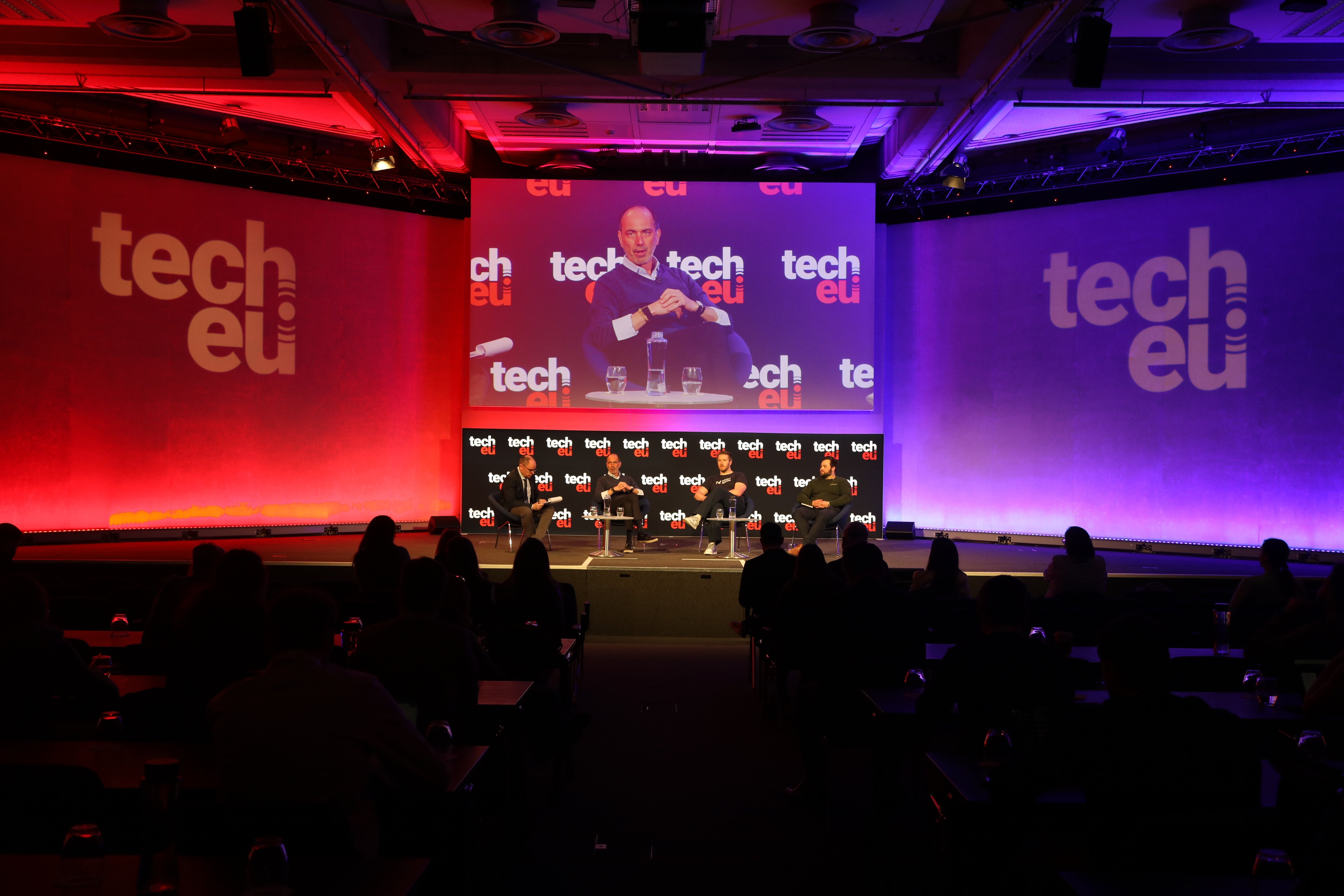
Christian Hernandez Gallardo (2150), Dr Noah Miller (Carbon Re), Greg Lawton (Nodes & Links) and John Reynolds (Tech.eu) explored how AI is being embedded into industrial and real-world systems.
In the afternoon, the focus moved decisively into deeptech. This panel explored how AI is being embedded into industrial systems, from manufacturing to infrastructure. Europe’s engineering depth and industrial base were repeatedly highlighted as structural advantages in this space.
Why Europe Is the Hardest and Most Defensible Place to Build Fintech
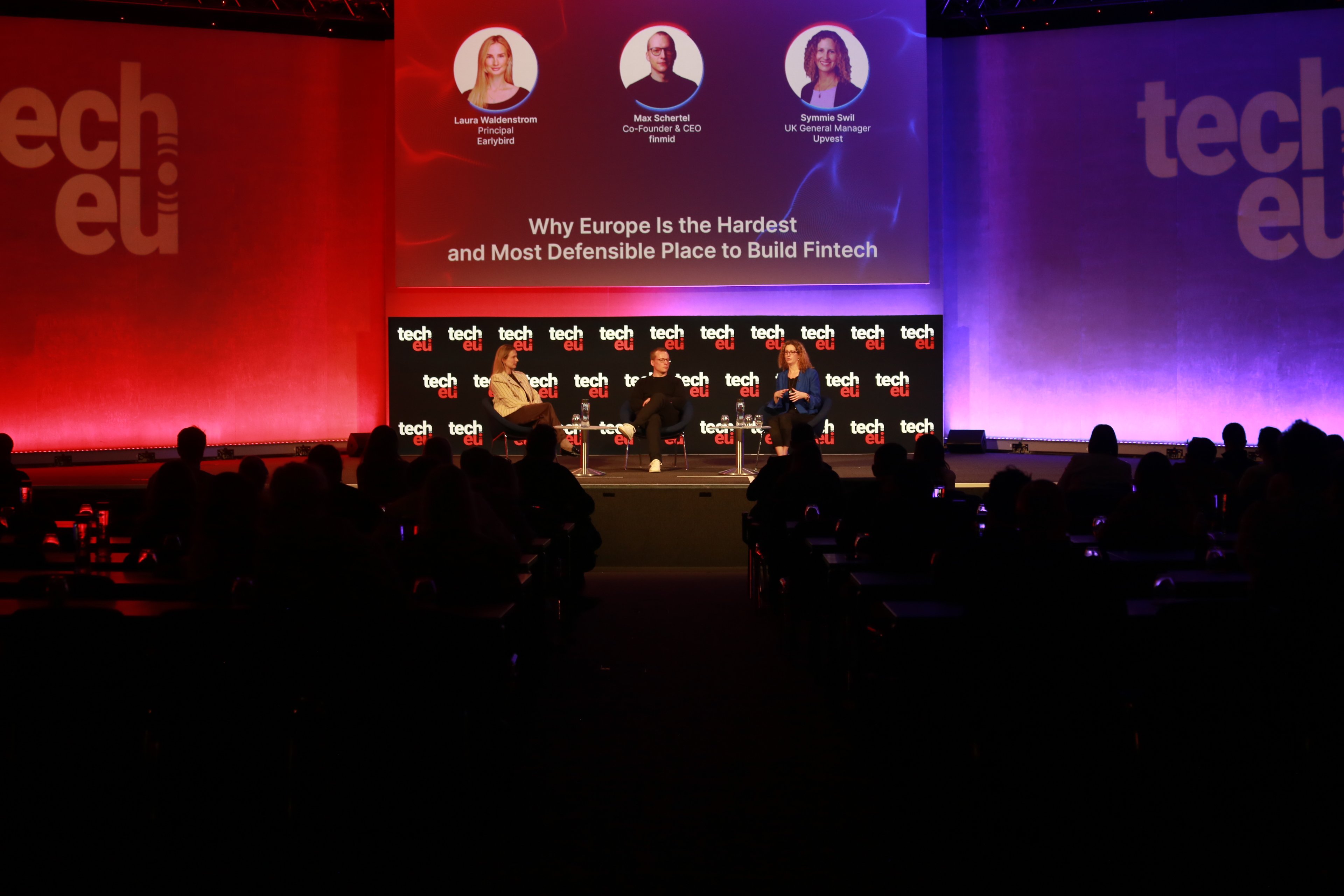
Laura Waldenstrom (Earlybird), Max Schertel (finmid), and Symmie Swil (Upvest) discussed the complexities and advantages of building fintech companies in Europe.
Fintech discussions added another layer to the regional perspective. Speakers argued that while Europe’s fragmented regulatory landscape creates complexity, it also builds long-term defensibility for companies that manage to navigate it successfully.
Financing the Future: How Climate and DeepTech Companies Are Built and Scaled
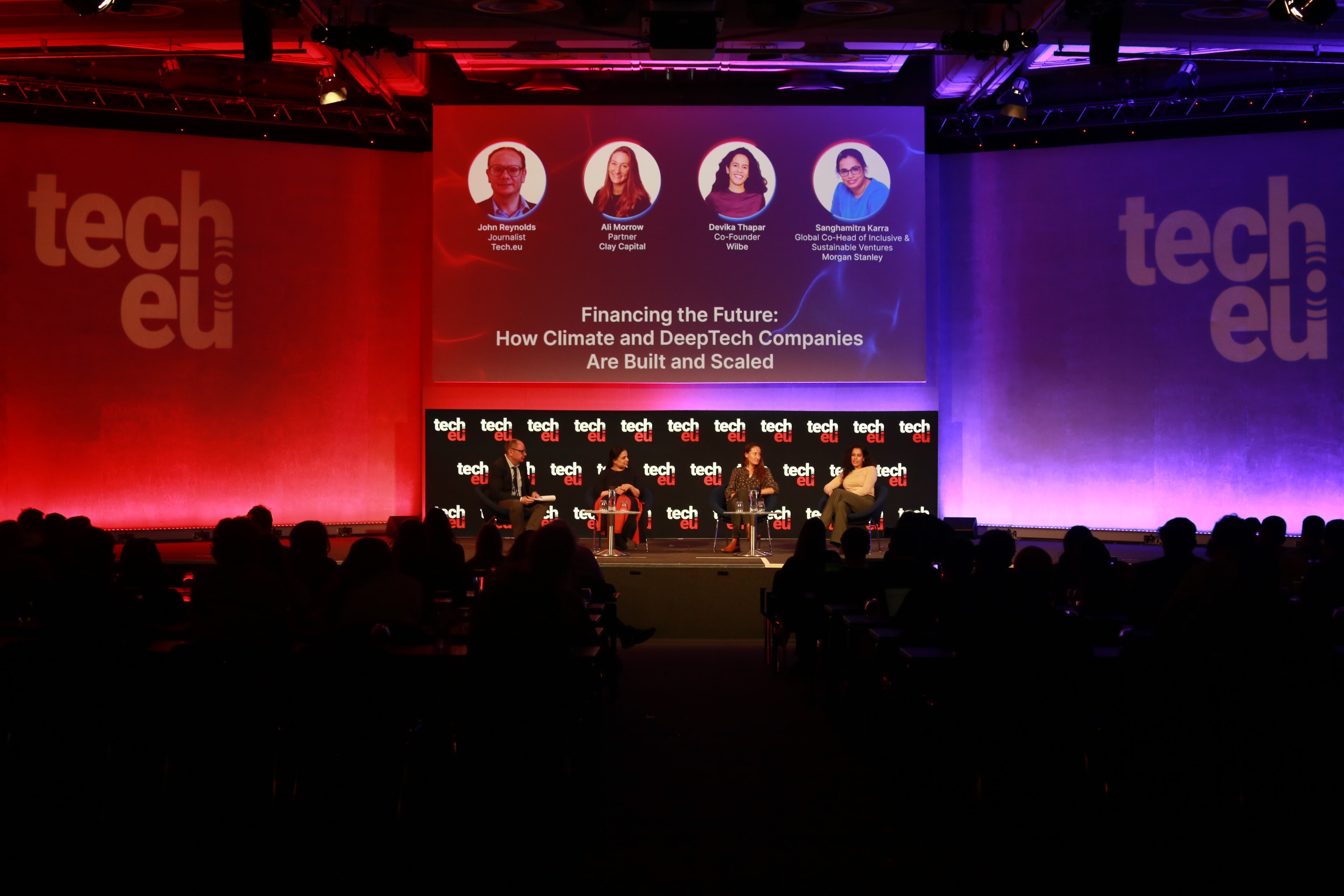
Ali Morrow (Clay Capital), Devika Thapar (Wilbe), John Reynolds (Tech.eu) and Sanghamitra Karra (Morgan Stanley) discussed how climate and deeptech companies are financed and scaled.
Investment themes became more prominent in the later sessions. The discussion focused on the realities of building deeptech and climate tech companies - including longer development cycles, higher capital requirements, and the importance of patient capital.
The New AI Investment Playbook: From Societal Impact to DeepTech
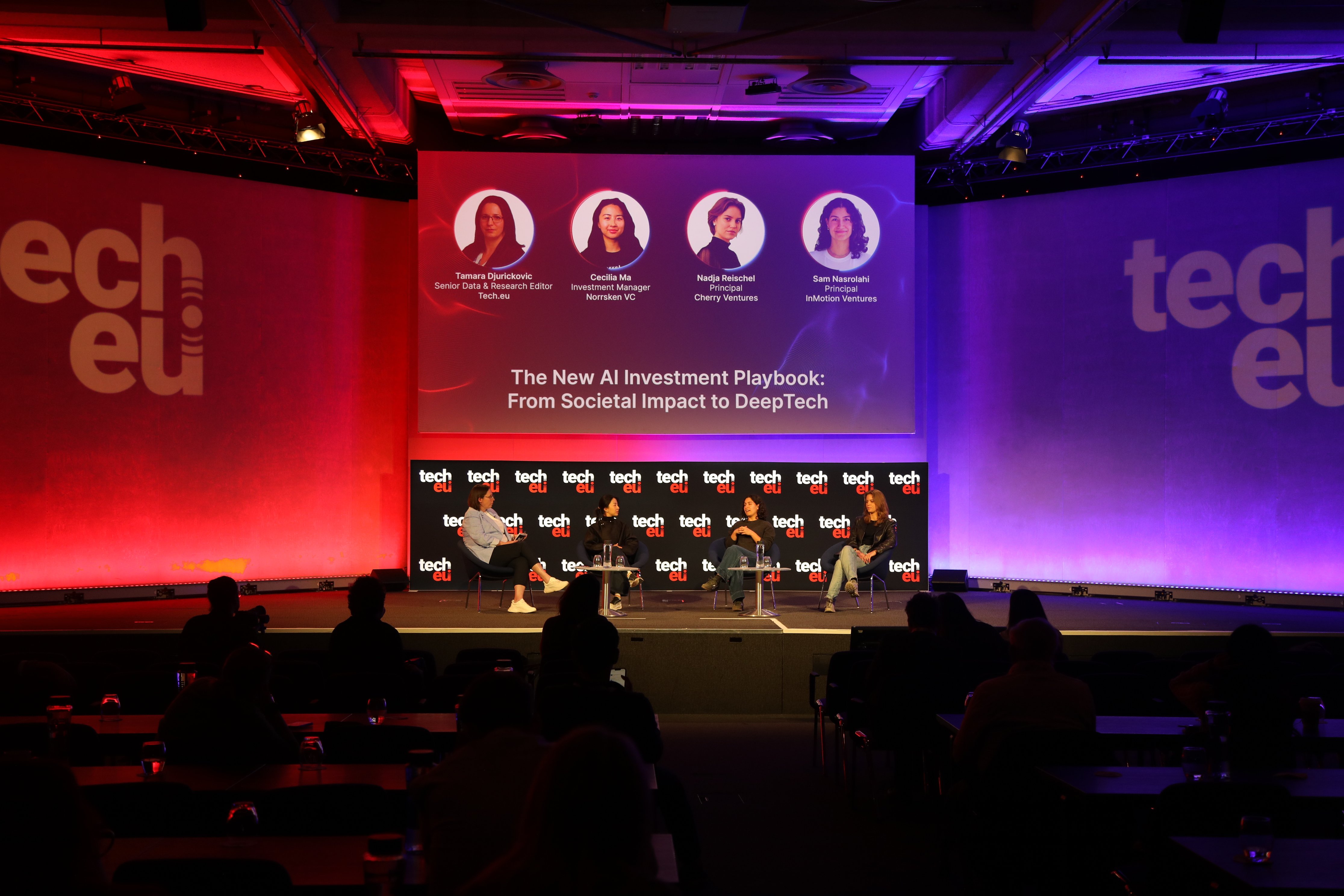
Cecilia Ma (Norrsken VC), Nadja Reischel (Cherry Ventures), Sam Nasrolahi (InMotion Ventures) and Tamara Djurickovic (Tech.eu) explored how AI investment strategies are evolving.
Investors discussed how AI investment strategies are evolving beyond productivity gains. There is a growing focus on societal impact, infrastructure, and deeptech opportunities - reflecting a shift toward longer-term value creation.
Building Europe’s Next DeepTech Champions: From Capital to Real-World Deployment
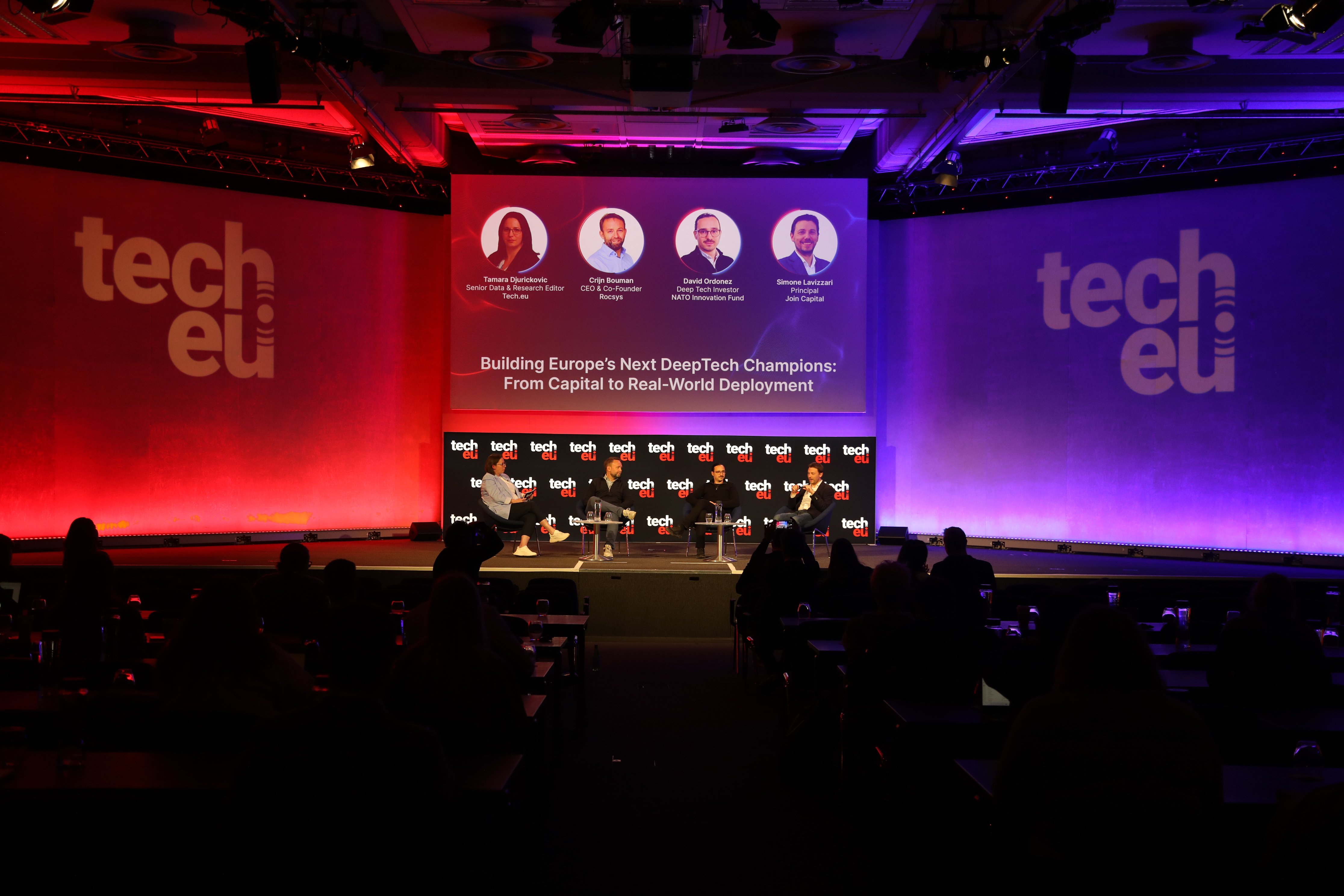
Crijn Bouman (Rocsys), David Ordonez (NATO Innovation Fund), Simone Lavizzari (Join Capital) and Tamara Djurickovic (Tech.eu) discussed how deeptech companies can scale from early-stage innovation to real-world deployment.
This session explored what it takes to scale deeptech companies in Europe.
Speakers pointed to the need for stronger alignment between research, capital, and commercialisation - as well as the importance of supporting companies beyond the early stages.
Can Europe Win the AI Race? Policy, Capital and the Rules of Scale
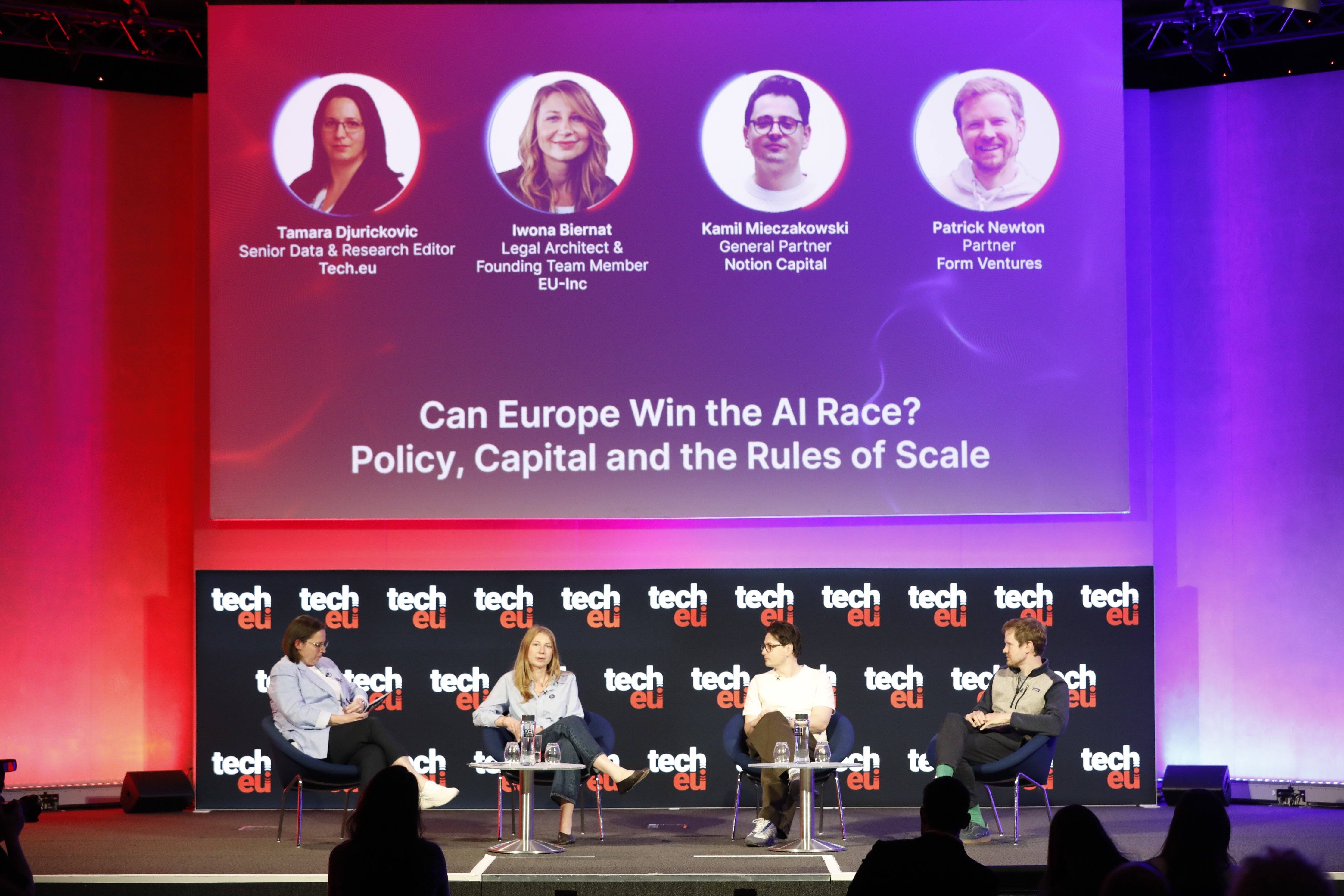
Iwona Biernat (EU-Inc), Kamil Mieczakowski (Notion Capital), Patrick Newton (Form Ventures) and Tamara Djurickovic (Tech.eu) discussed Europe’s position in the global AI race and the factors that will shape its competitiveness.
The final panel brought the conversation back to the big picture.
Discussions centred on whether Europe can compete globally in AI, and how regulation, capital, and market structure will shape that outcome. While challenges remain, there was a clear sense that Europe could build a distinct and defensible position - particularly in regulated and industrial sectors.
The first day highlighted a strong focus on real-world AI applications and execution. The summit continues on day two.
See you tomorrow!
Partners
Pavilion Partner

Gold Partners


Silver Partners


Supporting Partner

Community Partners








Would you like to write the first comment?
Login to post comments