

Human cell programming company bit.bio has secured $25 million in Series D funding to expand its portfolio of human cell models and increase access to its technology for pharmaceutical companies, biotechnology businesses and research organisations. The investment follows the company's Series C round earlier this year and includes participation from existing investor M&G Investments and Dr Jonathan Milner, founder and former CEO of Abcam.
As drug discovery methods evolve, researchers increasingly require experimental models that can reliably predict how potential treatments may behave in humans. Traditional animal models have limitations due to biological differences between species, driving interest in human cell-based alternatives that can support more relevant testing and reduce reliance on animal experiments.
At the same time, advances in AI are accelerating the identification and design of potential drug candidates, increasing the need for consistent and reproducible human cell models to evaluate their safety and effectiveness.
bit.bio aims to address these challenges through its proprietary opti-ox™ platform, which enables the production of defined human cell types consistently and at scale. The technology is designed to overcome limitations associated with donor variability and restricted cell supply, providing researchers with reliable models for experimental use.
The company's ioCells portfolio currently includes more than 50 human cell types, including models of the heart, liver and central nervous system. These cells support applications across disease research, functional genomics, drug discovery and toxicology.
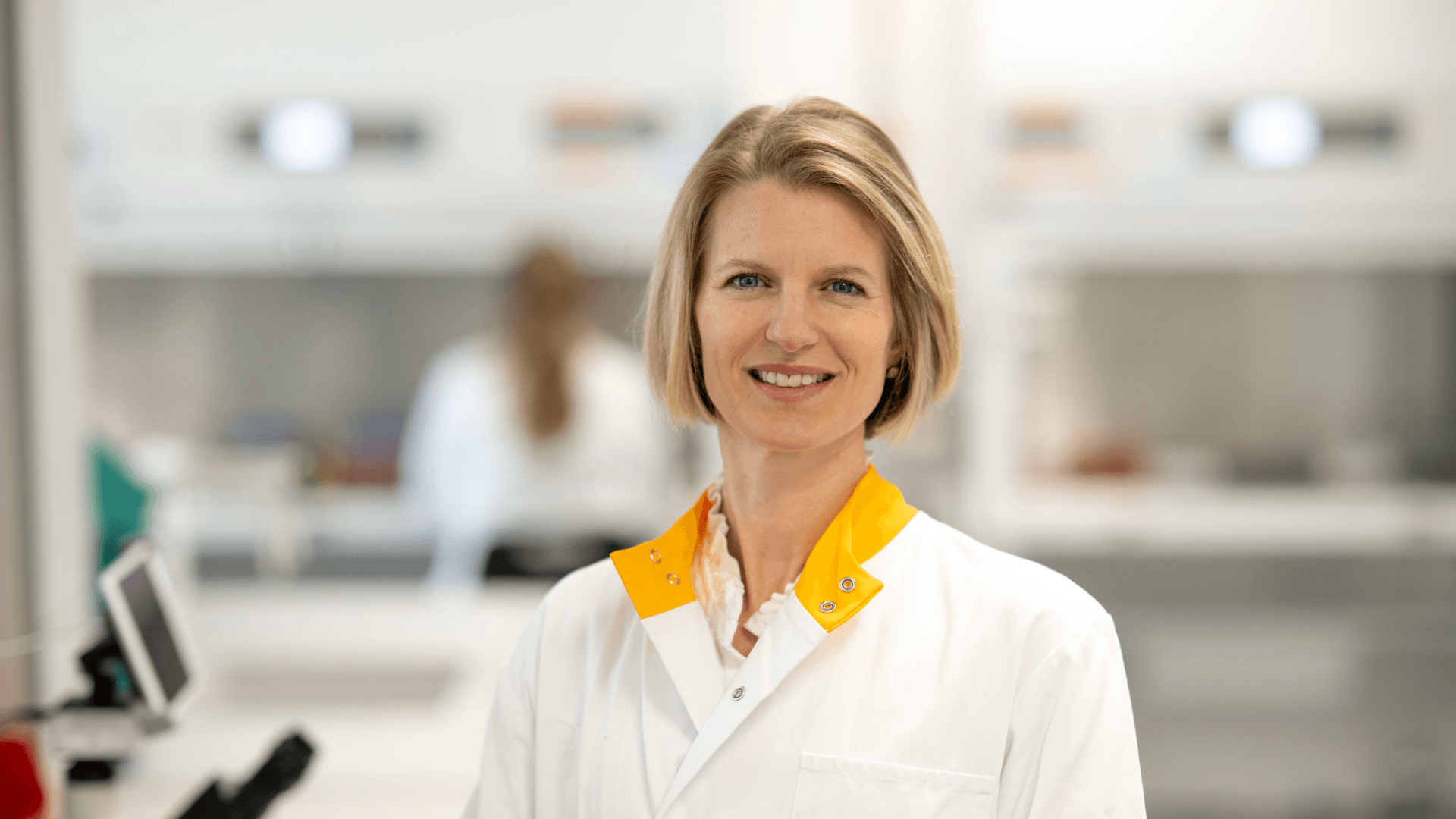
Dr Emma Pepperell, CEO of bit.bio, commented on the growing demand for human cell models:
The industry is reaching an inflection point in drug discovery. AI is changing the speed at which new medicines can be discovered, while the move towards animal testing alternatives is creating growing demand for models that better reflect human biology.
What these fundamental shifts have in common is the need for vast quantities of consistent human cell models. Someone needs to be able to supply those cells at scale and our investors believe bit.bio is the company capable of achieving that aim.
With its manufacturing infrastructure already established, bit.bio plans to use the new funding to expand its portfolio of human cell types and make its models more widely available to researchers.
The company will focus on translating growing demand into further commercial growth while supporting the development and testing of new medicines.


Would you like to write the first comment?
Login to post comments