
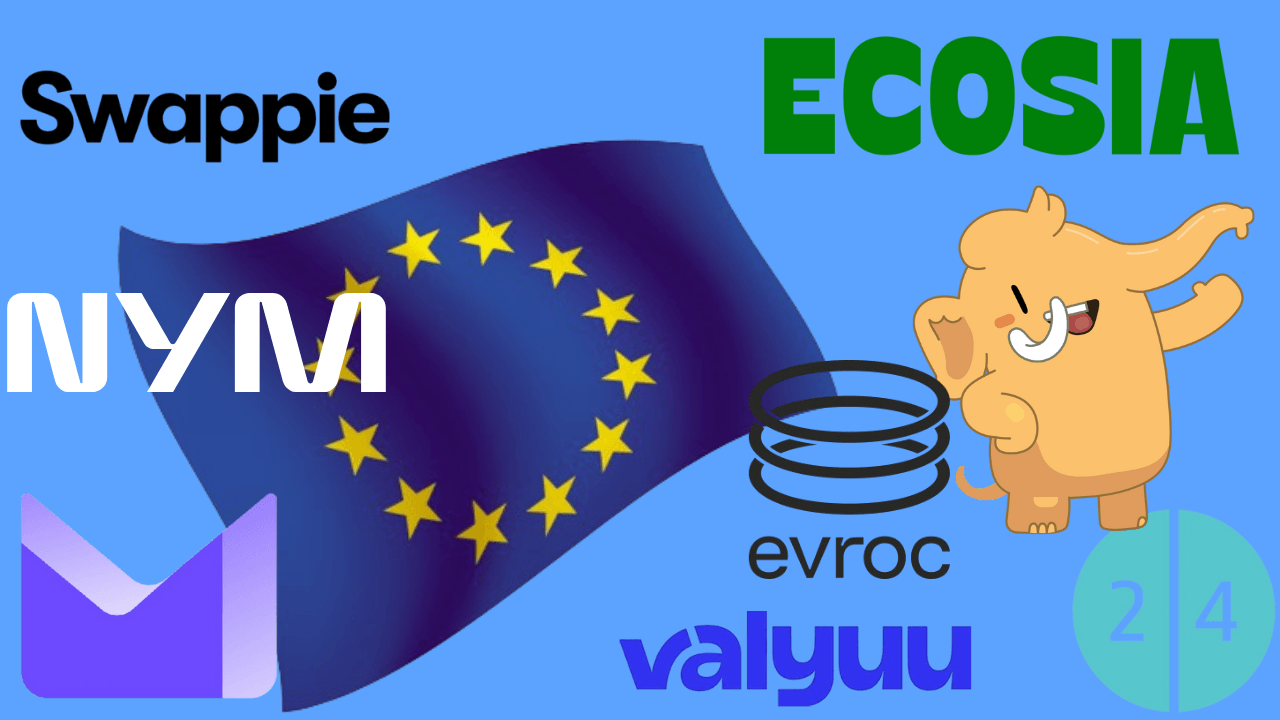
For more than a decade, Europe has relied on US Big Tech for the core layers of its digital economy — from cloud infrastructure and productivity software to search, social platforms, and, more recently, foundation models.
But as regulation tightens, geopolitics hardens, trade tensions and tariffs reshape global supply chains, and AI becomes strategic infrastructure, that dependence is no longer seen as just a commercial issue.
Last week, the European Commission launched a fresh consultation on open source, signalling its ambition for Europe’s developer communities to move beyond simply reinforcing US platforms and instead help build and maintain the core digital infrastructure on which Europe’s long-term technological independence will depend.
Solutions built by Europeans for Europe are not just about innovation but also about representing local values around privacy, sovereignty, resilience, and industrial capability.
And when it comes to replacing Big Tech, many layers of the stack, Europe already has new and established credible players, ready to deliver efficient, responsible, and privacy-respecting digital services to European users.
I’ve written this as a living guide that will be regularly updated. Many of the companies naturally span more than one category. Feel free to message me to add your company.
Core internet infrastructure and cloud (alternatives to AWS, Google Cloud, Microsoft Azure, etc.)
- Crypt.ee (Estonia)
- DNS4EU (Czechia) a privacy-compliant DNS resolver alternative to Google Public DNS and Cloudflare’s 1.1.1.1 — keeping internet name resolution inside the EU.
- Euro-Office — alternative to Microsoft
- Evroc (Sweden) hyperscale cloud
- Exoscale (Switzerland)
- Hetzner (Germany)
- InfoPeak (Denmark)
- IONOS Cloud (Germany) – enterprise + public sector
- Nebius (The Netherlands)
- Nebul (The Netherlands
- Open Telekom Cloud
(Germany) Public cloud computing service provided by Deutsche Telekom AG)
AI & Foundation Models (alternatives to OpenAI, Anthropic, Google DeepMind and more)
- Aleph Alpha (Germany) – enterprise + government-grade AI
- Berget AI (Sweden)
- BritLLM (UK)
- Dataiku (France)
- DeepL (Germany) – AI language models & translation
- eTranslation (European Union)
- Internxt AI (Spain) conversational AI
- LightOn (France) enterprise GenAI
- Mistral AI (France) frontier LLMs, open and sovereign
- Noxtua (Germany) Europe's first sovereign Legal AI
- Silo AI (Finland, now part of AMD)
- Tilde (Latvia) an open-source foundational LLM with over 30 billion parameters designed for Baltic and Eastern European languages
Developer and work platforms
- Capacities (Germany) digital information management
- Firebase (Armenia/US)
- GitLab (Ukraine-founded, now global)
- Infobip (Croatia) CPaaS, messaging, voice, APIs, etc
- Krock.io (Estonia) A cloud-based media review, creative collaboration, and project management platform for video production teams, agencies, and content creators.
- Lovable (Sweden) Vibe coding
- OpenProject (Germany) project management platform
- XWiki (France) project collaboration
Collaboration and Chat (alternatives to Slack, Teams, Zoom , WhatsApp etc.)
- DigitalSamba (Spain) Free video calls
- Element (UK) decentralised secure messaging
- Jitsi (France) video conferencing
- Nextcloud Talk (Germany)
- Olvid (France) private text messaging)
- Threema (Switzerland)
- Visio (France) video conferencing
- Wire (Switzerland) enterprise secure comms
Email & Productivity (alternatives to Gmail, Google Workspace, Microsoft 365)
- Infomaniak (Switzerland) Full productivity and cloud
- Nextcloud (Germany) Self-hosted Workspace alternative
- OnlyOffice (Latvia)
- OpenDesk (Germany)
- Proton (Switzerland) Mail, Calendar, Drive, VPN
- Tutanota (Germany) encrypted email
Search & Browsing (alternatives to Google, Chrome, etc.)
- Ecosia (Germany) – climate-focused search
- Mojeek (UK)
- Qwant (France)
- Startpage (Netherlands)
- Vivaldi (Norway)
VPN
- Mullvad VPN (Sweden)
- NordVPN (Lithuania)
- Nym (Switzerland)
Maps and Location (alternatives to Google and Apple Maps)
- OpenStreetMap (EU-led open infrastructure)
- Organic Maps (Estonia)
Consumer marketplaces (alternatives to Amazon, Ebay etc.
- BackMarket preloved consumer electronics
- Bought (Finland) pre-loved clothing
- BuyCycle (Germany) e-bikes
- Codressing (Germany) buy, sell, and rent clothing
- Faircado (Germany) A browser extension that automatically suggests better second-hand alternatives when you shop online
- Liki24 (Ukraine) pharmaceutical, health and wellness products
- NOLD (UK) pre-loved clothing
- OnBuy (UK) retail marketplace
- Swappie (Finland) refurbishes and resells iPhones and iPads.
- Uphavin formerly El Green Mall) Germany ecofriendly marketplace
- Valyuu (The Netherlands) preloved consumer electronics
- Vinted (Lithuania) preloved clothing, goods and more
Social & Content Platforms (alternatives to X, Meta, YouTube etc)
- Daily motion (France) YouTube alternative
- Lemmy Reddit alternative
- Monnett (Luxembourg) Instagram alternative
- Mastodon (Germany)
- Open Vibe (Czechia)
- PeerTube (France) YouTube alternative
- W Social (Sweden) X alternative
Learning platforms
- Lairner Duolingo alternative
Consumer hardware
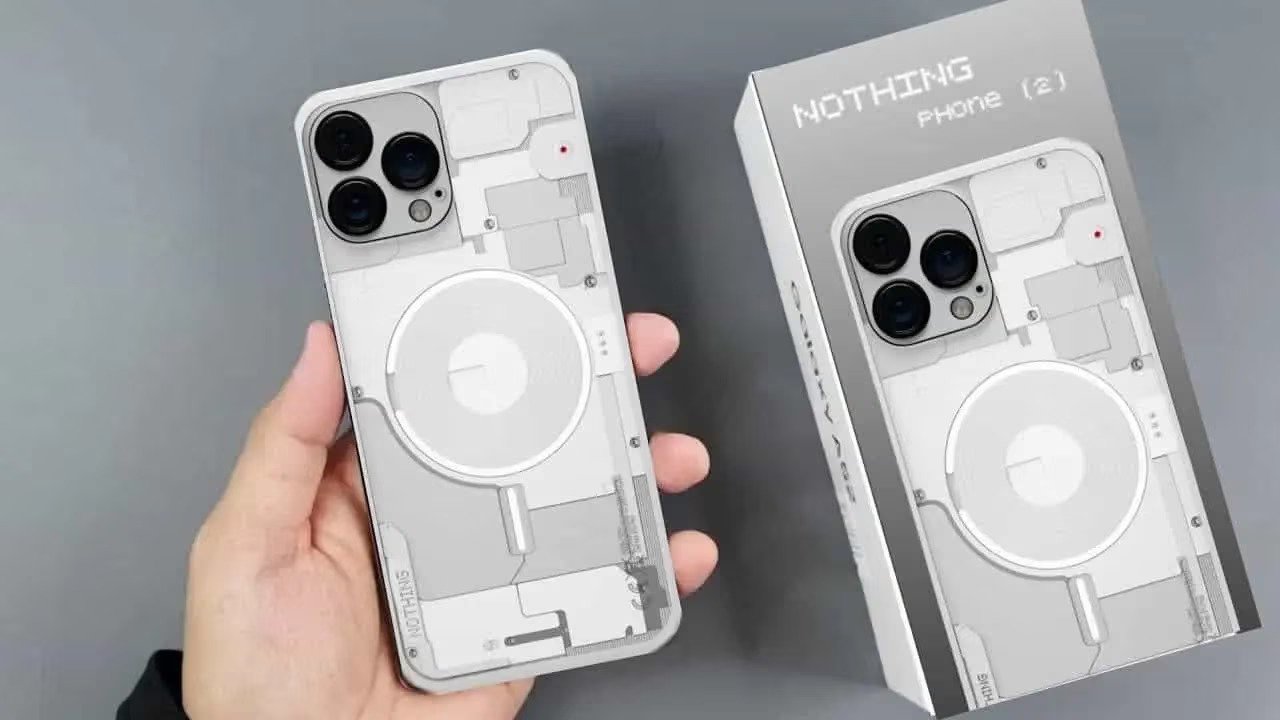
- Nothing (UK) Smartphones, headphones, earbuds and more
- Murena (France)
- Fairphone (The Netherlands) Repairable smartphones and accessories
Speaking of sovereign tech, I also want to do a call out to the open-source world’s most successful government interventions: the German Sovereign Tech Agency.
Through its Sovereign Tech Fund, a public-sector investment initiative launched in October 2022 and managed by the German Federal Ministry for Digital Transformation and Government Modernisation (BMDS). Germany has created a blueprint for how states can strategically support digital sovereignty at the infrastructure layer.
Financed by the federal government and operating under public procurement law, the fund targets foundational open-source base technologies: the low-level libraries, tools, protocols, and frameworks that underpin most of today’s digital systems.
In its first two years alone, it invested € 33.4 million in 95 critical open source technologies, treating open digital infrastructure not as a by-product of innovation but as a critical public good.
It's also worth checking out Charles, a browser extension that helps European citizens detect when they're using non-European services and guides them toward GDPR-compliant alternatives, all while processing everything locally with zero data sent anywhere.


Would you like to write the first comment?
Login to post comments